
From BYD to Mitsui: Buffett Shifts His Long-Term Focus

Shearing sheep
September 23, 2025
GoGPT Summarizes Articles
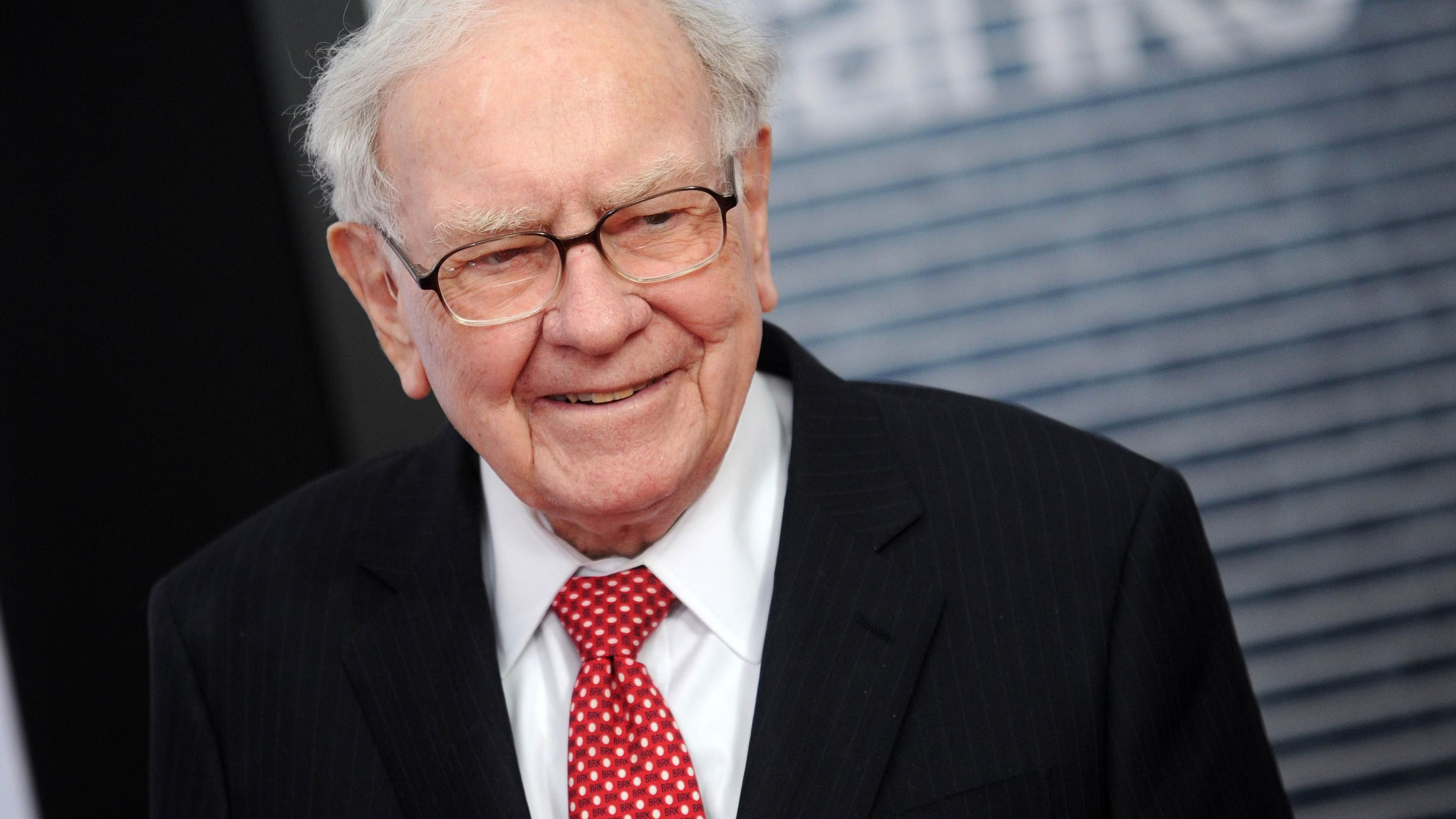
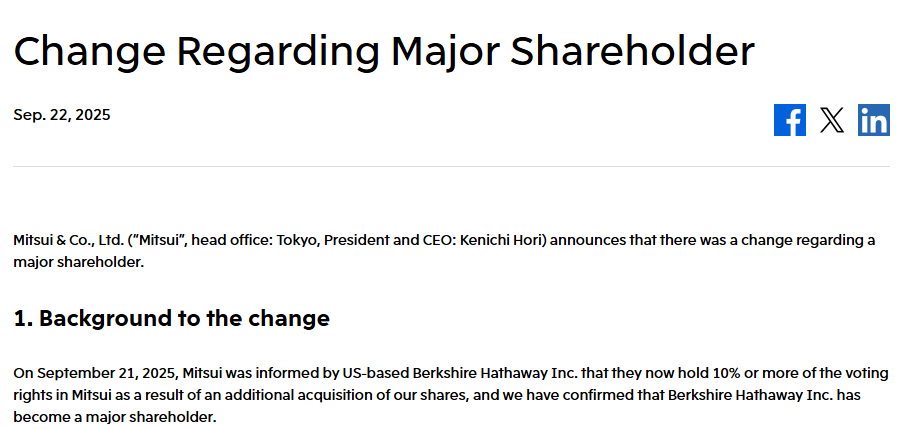
Warren Buffett just made another big move in Japan. On Monday, Berkshire Hathaway, through its insurance arm National Indemnity Company, has lifted its stake in Mitsui & Co. to more than 10%, making Buffett’s firm a major shareholder. This comes just a month after Berkshire increased its stake in Mitsubishi above 10%, marking the second of Japan’s “big five” trading houses to cross that threshold.
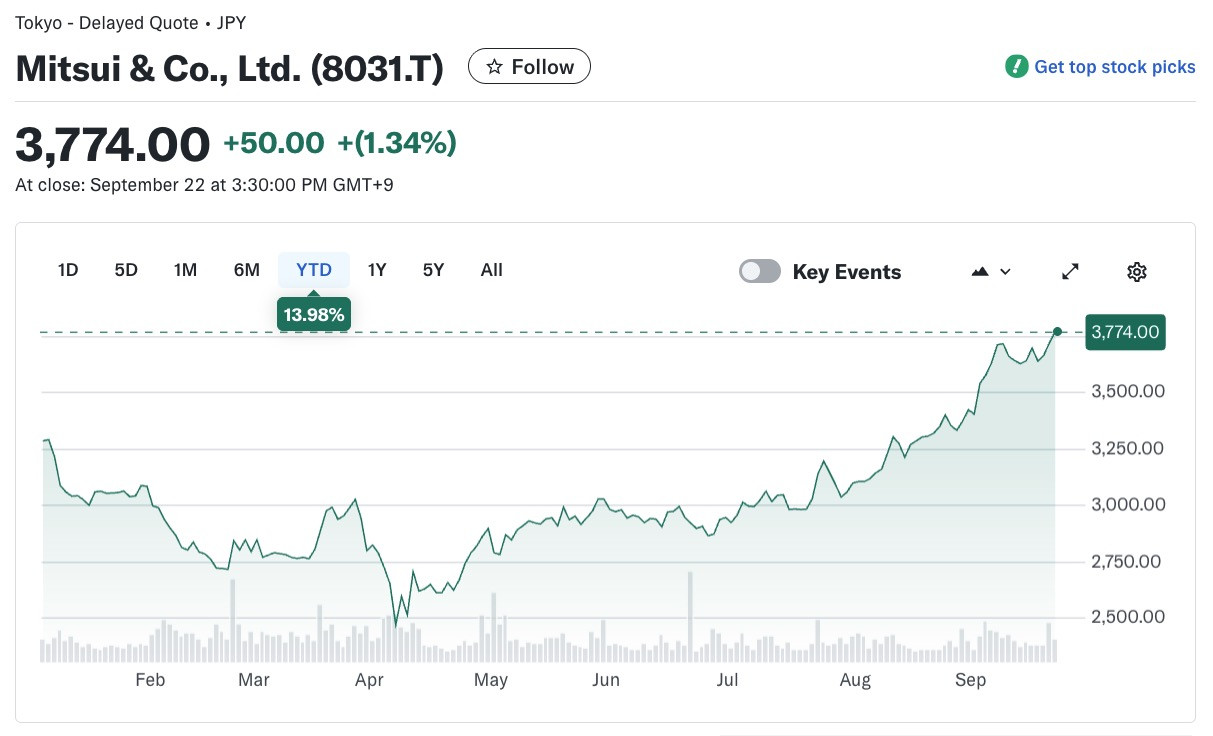
The market reacted quickly: Mitsui’s stock rose 1.34% to its highest level since July 2023, bringing year-to-date gains to around 14%. Other trading companies also moved higher on the news, with Mitsubishi, Marubeni, Sumitomo, and Itochu all posting gains.
Why Trading Houses?
Buffett first entered this space in 2020, buying roughly 5% of each of the five major *sogo shosha*. For many investors, these firms looked like traditional conglomerates—sprawling, complex, and not particularly exciting in terms of growth. But Buffett saw them differently: global reach, diversified cash flows, and an increasing focus on rewarding shareholders.
Take Mitsui as an example. Its portfolio spans mining, energy, chemicals, machinery, retail, healthcare, food, IT, and even salmon farming. That breadth of operations has proven valuable during commodity price swings—when one area weakens, another often picks up the slack.
Another factor is corporate governance. Over the past decade, Japanese firms have been pushed to be more shareholder-friendly, with bigger dividends and buybacks. For a value-driven investor like Buffett, that shift made these companies far more appealing than in the past.
Long-Term Intentions
Buffett has stressed that these holdings aren’t about short-term gains. In his 2025 shareholder letter, he noted that Berkshire initially intended to cap its stakes at 10%, but Japanese companies gave the green light to go higher. At this year’s annual meeting, he underlined that there are no plans to sell: “We won’t be disposing of these holdings in the next decade.”
Greg Abel, Buffett’s designated successor, went even further, saying he could envision Berkshire holding these shares for “50 years or forever.” That’s a telling statement. For Berkshire, these stakes are starting to look like permanent equity positions—similar to its iconic long-term holdings in U.S. companies like Coca-Cola or American Express.
Closing the BYD Chapter
While Berkshire is doubling down in Japan, it has officially closed a different chapter in China. After 17 years, Berkshire has completely exited its investment in BYD. Back in 2008, Buffett bought 225 million shares at Charlie Munger’s urging, paying just $230 million. By 2022, that stake was worth around $9 billion—an astonishing 38-fold return.
Berkshire began trimming its position in 2022, and by June 2024 its stake had already fallen below 5%. That meant Berkshire no longer had to disclose further sales under Hong Kong rules. Recent filings now confirm what many suspected: the BYD position has been fully sold.
BYD responded diplomatically. A spokesperson said that investing naturally involves both buying and selling, and thanked Buffett and Munger for their long-term support. For Berkshire, the decision was straightforward: after years of huge gains, it was time to redeploy capital elsewhere.
A Tale of Two Strategies
Viewed side by side, these moves highlight Buffett’s evolving playbook:
-
BYD was one of Berkshire’s rare high-growth, high-reward bets. It was held through its explosive rise and eventually sold after a 38x return.
-
Japan’s trading houses represent the opposite: mature, diversified businesses that Buffett now sees as near-permanent holdings.
Even for Buffett, “forever” doesn’t always mean literally forever—BYD was a great company led by visionary management, but once valuations climbed and the thesis matured, Berkshire exited. The trading houses, by contrast, are being treated almost like core infrastructure investments—durable businesses designed to generate steady returns over the long haul.
My Take
For investors, there are two clear lessons here:
1. Don’t underestimate “boring” businesses. The Japanese trading houses were overlooked for years, but Buffett recognized cheap valuations, steady returns, and a governance shift that others ignored.
2. Discipline matters. Long-term investing doesn’t mean holding forever no matter what. It means holding until the balance of risk and reward changes, and then moving on.
So where does that leave us? Are Japan’s trading houses still attractive buys for everyday investors, or has most of the upside already been captured? Personally, I think the long-term story remains compelling. These companies are still reasonably valued, they’re returning more to shareholders, and Buffett’s seal of approval only strengthens sentiment.
#Follow the Money: Where Are the Market Giants Investing