
A $100 Billion Wager: Is NVIDIA Handing OpenAI the Keys to a Compute Kingdom?

$NVDA and OpenAI announced a landmark strategic tie-up: $NVDA will help build and deploy at least 10 gigawatts (GW) of AI data-center systems for OpenAI, and will invest up to $100 billion staged as each GW comes online. The first 1GW, using the Vera Rubin platform, is slated for the second half of 2026.
Key Points
- $NVDA intends to invest up to $100 billion in staged tranches tied to each 1GW deployment.
- The partnership aims to deploy at least 10GW of NVIDIA-powered systems — described as millions of GPUs (roughly 4–5 million).
- The first 1GW deployment is expected in H2 2026, on the Vera Rubin platform.
- OpenAI will purchase hardware with cash; $NVDA will take equity in OpenAI as systems are delivered.
- $NVDA says this won’t change customer treatment, but the optics raise supply, competitive and regulatory questions.

What the deal is and how it works
At its core, the agreement ties massive hardware sales to staged equity investments. OpenAI buys $NVDA systems; as each gigawatt becomes operational, $NVDA invests capital and receives shares. The structure is meant to align incentives while reducing OpenAI’s upfront financing burden for huge buildouts.
Executives framed the plan as an infrastructure partnership, not a simple supplier contract. $NVDA supplies systems and integration expertise; OpenAI secures predictable compute at scale.
The staged investments are contingent on deployments, so capital flows track tangible system delivery rather than speculative promises.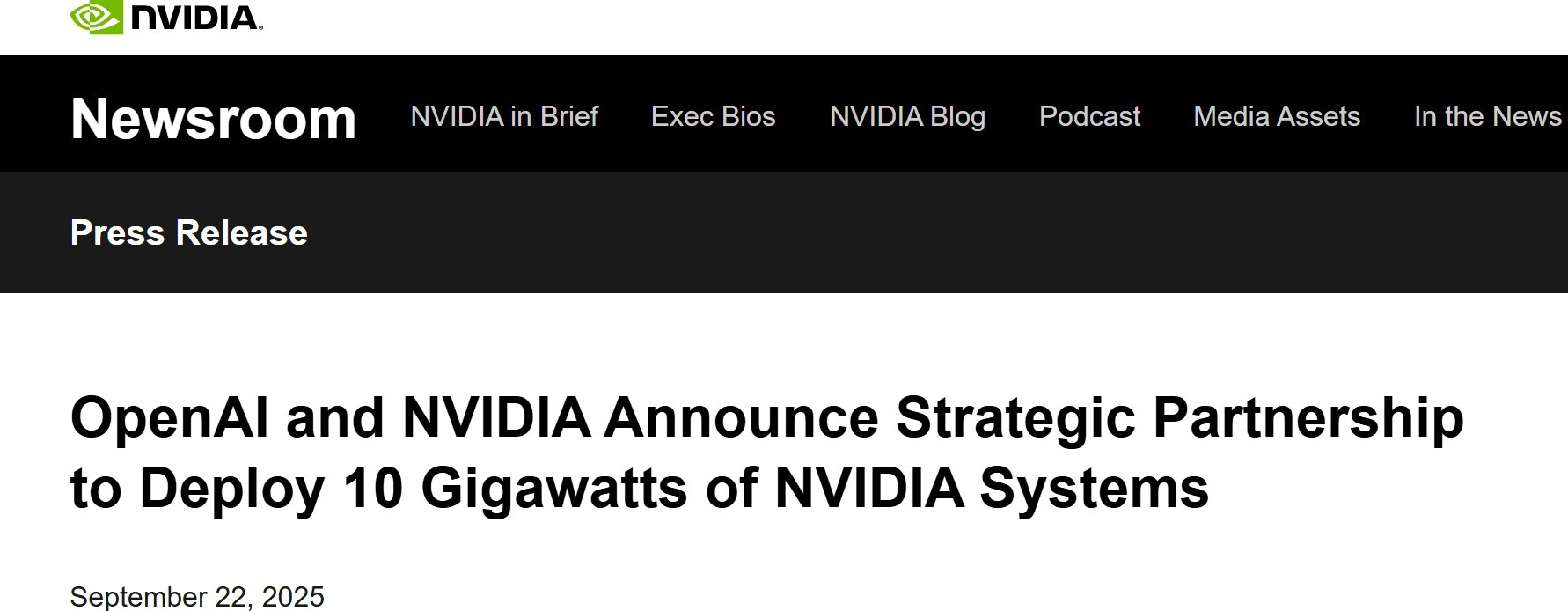
$NVDA describes the first 1GW as the opening milestone, with further gigawatts brought online over time. The Vera Rubin platform will anchor early deployments and serve as a technical baseline for later systems. The staged timeline aims to balance build complexity with measured capital deployment.
Why $NVDA would take equity is straightforward: ownership increases its upside if OpenAI’s value and revenue soar. For OpenAI, the arrangement reduces procurement friction and guarantees optimized hardware tuned for its models. The partnership thus creates both strategic lock-in and mutual reinforcement of fortunes.
Scale, costs and execution — what 10GW really means
Ten gigawatts of compute is not a metaphor; it implies a vast network of racks, accelerators, power distribution and cooling infrastructure spread across multiple data centers. Hosting millions of GPUs requires industrial-scale power feeds and specialized facilities with unusually high power density.
NVIDIA noted that building 1GW can cost hundreds of billions in total infrastructure when accounting for systems, power, and site work. That math explains why staged financing tied to actual deployments appeals: it ties capital to realized physical capacity and ongoing purchase flows.
The logistics are formidable. Site selection, grid upgrades, cooling design, networking, and rack-level integration all must align. Procuring millions of accelerators without disrupting other customers’ supply chains will be a major operational challenge for NVIDIA and its partners.
Execution timelines are realistic but tight. The first 1GW targeted for H2 2026 sets a near-term clock on complex builds. Delays in permits, power contracts, or equipment delivery could cascade into cost overruns and push investment tranches later than planned.
Who stands to gain — and who should be worried
NVIDIA gains a locked-in, multi-year revenue pipeline and a deepening strategic role across the AI stack. Equity in OpenAI also aligns financial returns with OpenAI’s success, adding a new vector to NVIDIA’s upside beyond hardware sales.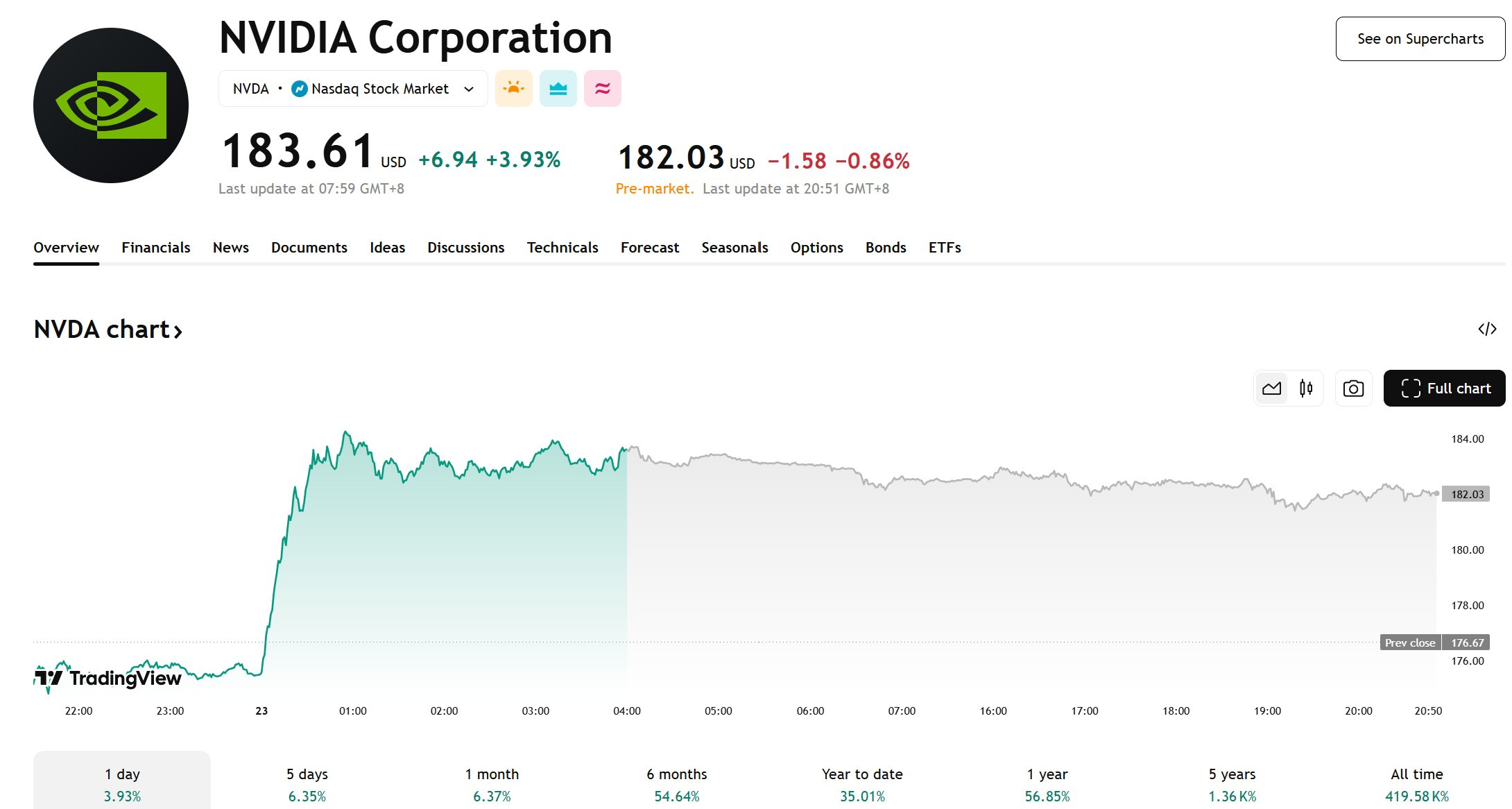
OpenAI gains predictable, optimized access to custom systems and capital to fund ambitious model training and rollout plans. For a compute-hungry developer, guaranteed throughput and integration with NVIDIA’s platform are powerful operational advantages.
Data-center operators, system integrators, and partners that host or manage these deployments may see new revenue streams. Companies providing power, cooling and interconnects could also benefit substantially as large sites are commissioned and expanded.
Yet competitors and other large cloud customers may feel exposed.
The optics of preferential partnership and supplier equity raise questions about supply prioritization. Rivals could accelerate in-house silicon, diversify suppliers, or form their own alliances to hedge dependence on a single vendor.
Financial mechanics and the capital flow loop
The staged approach creates a circular financial flow: OpenAI pays NVIDIA for hardware; NVIDIA then re-invests capital into OpenAI shares as systems come online. This reduces immediate leverage needs for OpenAI while giving NVIDIA financial exposure to OpenAI’s valuation.
That model shifts some commercial risk into equity stakes rather than straight lending. If OpenAI scales profitably, NVIDIA’s equity pays off handsomely. If OpenAI stumbles, NVIDIA bears a portion of the downside tied to its ownership position.
Analysts will watch the cadence of tranches closely. Early tranches effectively de-risk the plan for both parties: hardware revenue flows to NVIDIA even as its capital commitment increases in measured steps tied to deployment success.
Market reaction and the signaling effect
Investors interpreted the deal as confirmation of NVIDIA’s dominance at the heart of modern AI infrastructure. The stock jump that followed reflected both expected near-term revenue and the symbolic reinforcement of a durable commercial moat.
Beyond immediate price moves, the announcement signals a new phase of vertical integration in AI: chipmaker, systems vendor, and strategic partner rolled into one. That can raise barriers to entry for rivals and change the negotiating dynamic with cloud providers.
Regulatory and competitive scrutiny — the unavoidable questions
A supplier taking equity in a major buyer invites regulatory interest. Antitrust and competition authorities may scrutinize preferential access, exclusivity clauses, or market effects that could disadvantage other customers or raise concentration risks.
Geopolitical rules and export controls may further complicate where and how large deployments occur. Decisions about sites, ownership structures, and cross-border technology flows will likely factor into both operational and review timelines.
Customers will watch fine print closely. Contractual clauses about prioritization, delivery schedules, and blackout periods for other buyers could determine whether the optics are merely symbolic or materially impactful.
Risks beyond politics — execution, cost and market shifts
Power constraints, grid upgrades, and real-estate scarcity are practical bottlenecks. Even with capital in place, building many multi-megawatt sites requires skilled project execution and long lead times on specialized infrastructure components.
Demand-side risks exist too. If AI development paths change or competing architectures gain traction, projected hardware needs could shift. NVIDIA’s equity exposure means it shares in that demand risk more directly than in a traditional supplier model.
Finally, the industry’s history of supplier financing shows mixed outcomes. When markets reprice or demand falters, heavily leveraged or equity-linked arrangements can leave partners exposed to slower-than-expected returns.
The strategic interpretation — vertical integration or concentration risk?
Proponents argue the deal accelerates ecosystem scaling: predictable capital and aligned incentives reduce procurement friction and speed infrastructure rollout for compute-intensive research and products. Vertical alignment may shorten innovation cycles.
Critics warn of concentration: if too much compute funnels through a single vendor, innovation may narrow and rival investments in alternative chips or open architectures will accelerate. That could fragment markets or trigger costly counter-investments by hyperscalers.
What to watch next — the checkpoints that matter
Key milestones include whether the first 1GW device ships and is operational in H2 2026. Public details about site locations, power agreements, and deployment cadence will reveal how realistic timelines are and how quickly the capital is deployed.
Regulatory filings, inquiries, or formal reviews are another signal. Any antitrust scrutiny or export-control constraints could alter pace and scope. Competitor responses — in-house silicon projects or similar alliances — will indicate the deal’s competitive reverberations.
Bottom line — a strategic leap with complex trade-offs
This partnership is a bold strategic bet that combines hardware sales, staged investment and ecosystem alignment. It promises faster scaling for compute-intensive AI while strengthening NVIDIA’s central role. But it also concentrates demand, invites scrutiny, and depends on flawless execution across power, logistics and long-term demand.