
Monetary crossroads: Is the Fed’s internal split rewriting the playbook for markets and growth?

The big picture up front — policymakers and markets are now reading different maps. A sharp divide inside the Fed, embodied by Governor Michelle Bowman’s push for faster, proactive cuts and Chicago Fed voices urging caution, sits alongside an OECD upgrade to global growth that still warns of tariff and inflation risks. Markets have priced multiple cuts while piling into tech.
Key Points
- Since the Fed’s first cut on Sept. 17, disagreement among officials has widened: Bowman warns the Fed risks “falling behind” and favors three 25bp cuts this year.
- Chicago Fed leaders emphasize inflation risks and urge a cautious pace; they judge the labor market more stable than Bowman does.
- The OECD raised 2025 global growth to 3.2% (from 2.9%) and U.S. growth to 1.8% (from 1.6%), yet flagged tariff-driven risks and sticky inflation.
- Markets are pricing a high probability of a 25bp October cut (~90%) and another in December (~75%), while tracking tech-driven rallies such as the Nvidia–OpenAI investment headlines.
- Key data and events — PCE inflation prints, short-term Treasury issuance, and the risk of a government funding lapse — are the immediate catalysts to watch.
Fed split: urgency versus caution
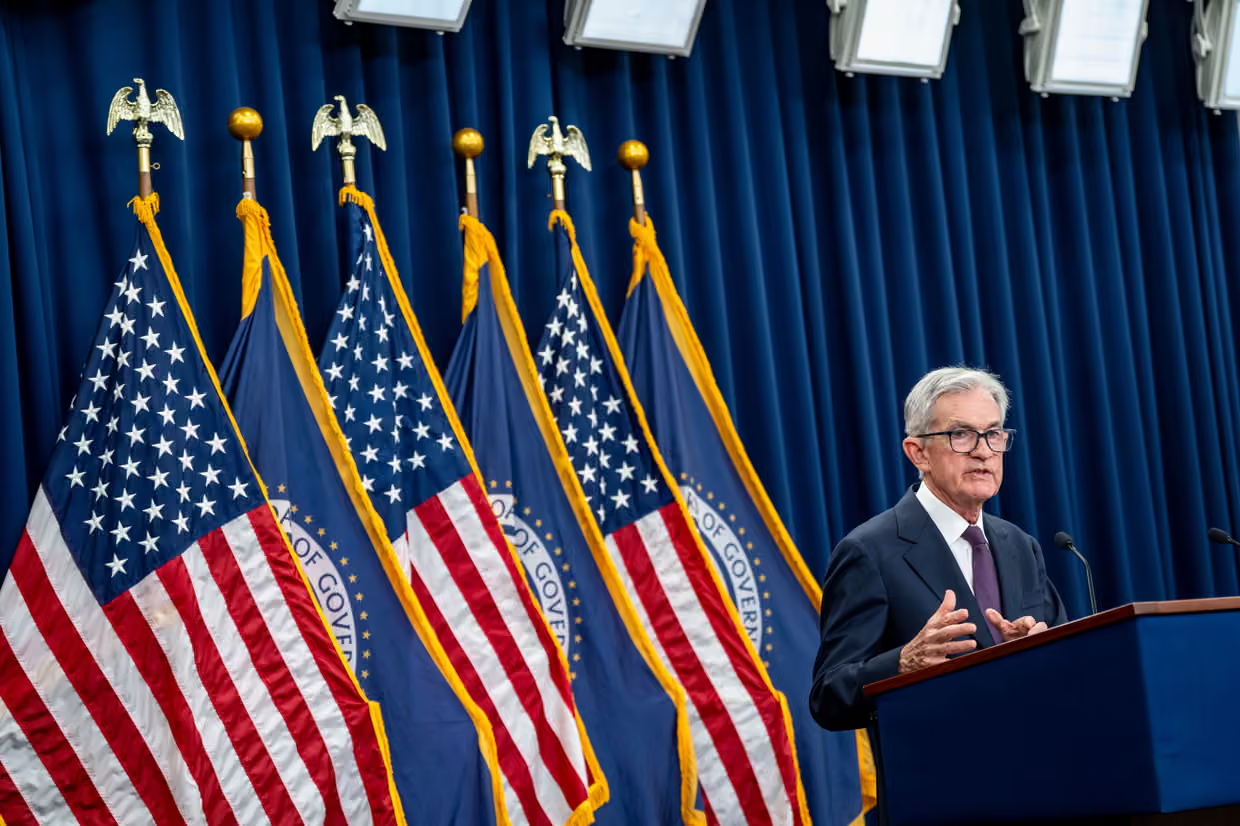
Governor Michelle Bowman has warned that a string of weakening labor-market signals creates a risk the Fed will “fall behind the curve.”
She argues several months of softer payrolls and benchmark revisions justify proactive easing to avoid harsher moves later. Bowman has publicly supported three 25bp cuts this year.
Chicago Fed officials counter that inflation still runs above target and appears to be rising in some measures.
They describe policy as “moderately restrictive” and say rapid easing could threaten inflation expectations. They cite low layoff rates and steady job durability as reasons to move carefully.
Growth lift and tariff warning: OECD’s cautious optimism
The OECD upgraded its 2025 global growth forecast from 2.9% to 3.2%, crediting emerging-market resilience, pre-shipment ahead of tariff hikes, and strong U.S. AI investment.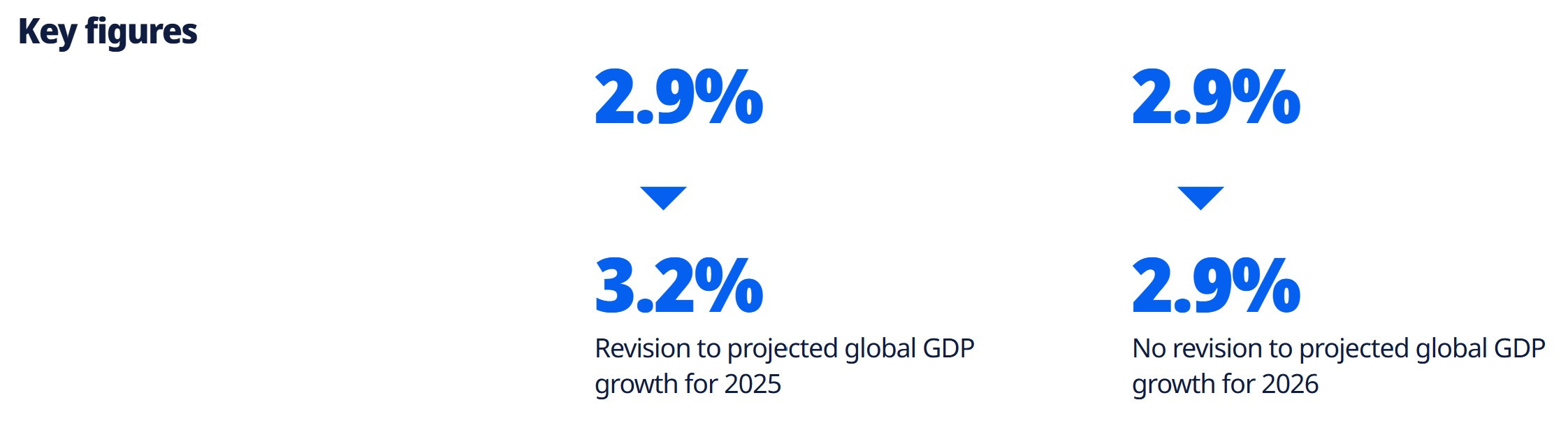
It nudged U.S. growth for 2025 to 1.8% and warned the outlook is fragile: higher effective tariffs (around 19.5% by late August) could lift consumer prices later.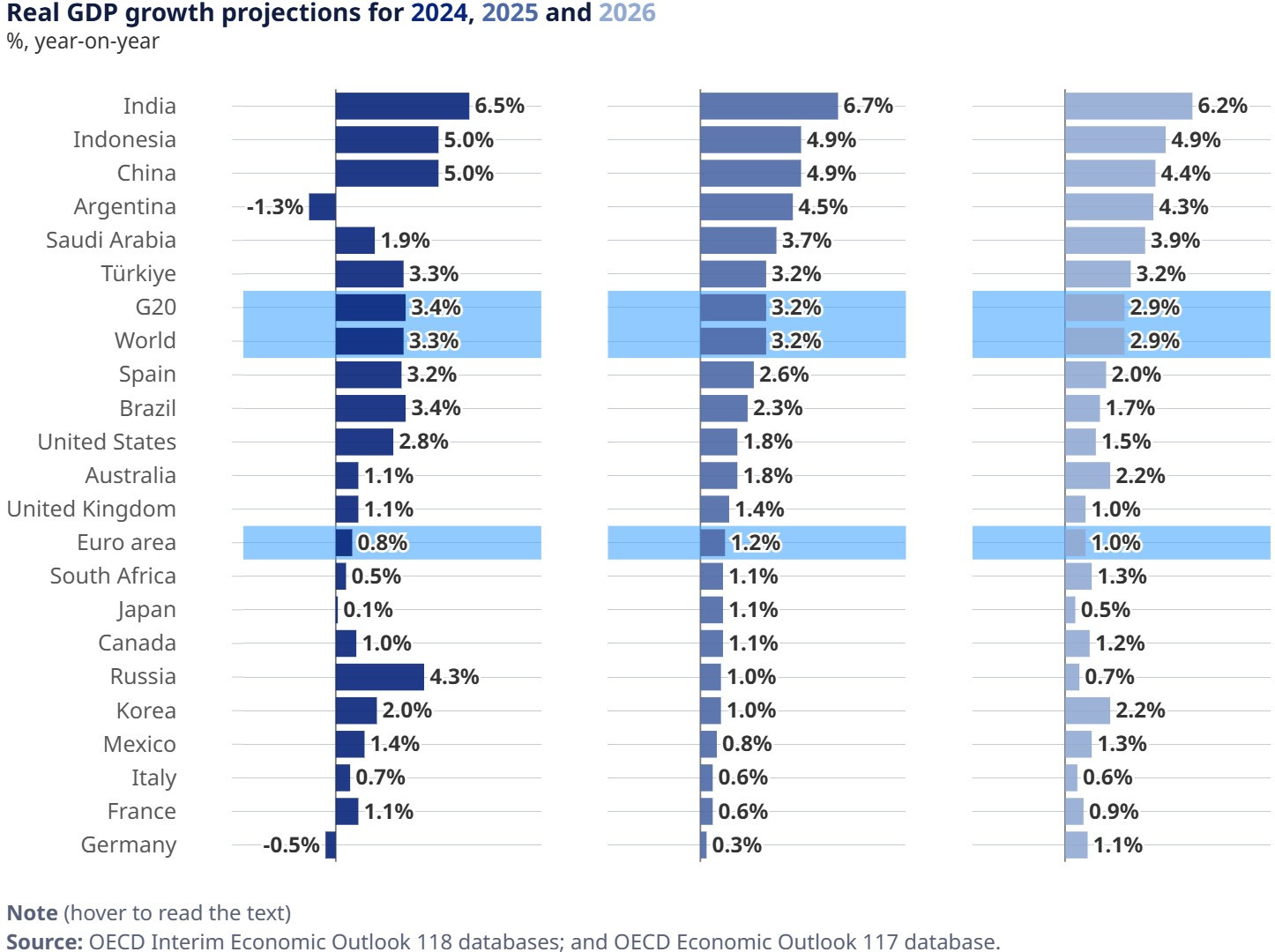
Despite the upgrade, the OECD flagged that disinflation has slowed; it expects U.S. inflation near 2.7% this year and warns of upside risks into 2026.
Its baseline still allows room for up to three Fed cuts, projecting policy rates around 3.25–3.5% by next spring if labor-market softening persists.
Market reaction and near-term catalysts
Equity indices hit fresh highs as mega-cap tech led the advance; Nvidia’s high-profile investment news tied to OpenAI amplified momentum.
Analysts note a small group of mega-cap stocks is driving gains, while momentum funds and options activity have accentuated moves.
Market pricing has moved aggressively toward easing: futures imply about a 90% chance of a 25bp October cut and roughly 75% for December.
Immediate data and events — the Fed’s preferred PCE inflation reading, a large two-year Treasury auction, and the looming government funding deadline — could quickly alter that view.
What this means for investors, firms and households
If labor-market cooling accelerates and core inflation eases, the Fed may move faster, supporting risk assets and compressing real yields.
A quicker easing path would help corporate borrowing and risk-tolerant sectors but could lift price pressures further down the line.
If inflation re-accelerates or tariff pass-through intensifies, the Fed’s cautious officials may slow the easing timetable, forcing markets to reprice and heightening volatility.
Households face a narrow policy corridor: easier policy supports spending but risks rekindling inflation; tighter policy restrains prices but can cool growth and employment.
Bottom line: Data and tone will decide the next move
The policy debate is no longer theoretical — it’s now a driver of market positioning. Incoming labor and PCE prints will be decisive: evidence of persistent cooling would strengthen Bowman’s case for faster cuts.
Conversely, inflation surprises or clearer tariff-driven price pressures would validate the hawkish caution and likely prompt a pause in easing.
For now, markets and policymakers are reading different scripts. Navigating that divergence will require watching both the data flow and the Fed’s language closely — the next few prints and speeches will tell whether markets’ bets on multiple cuts are prescient or premature.