
Buffett Moves In on Occidental A Deal That Could Reshape Both Sides
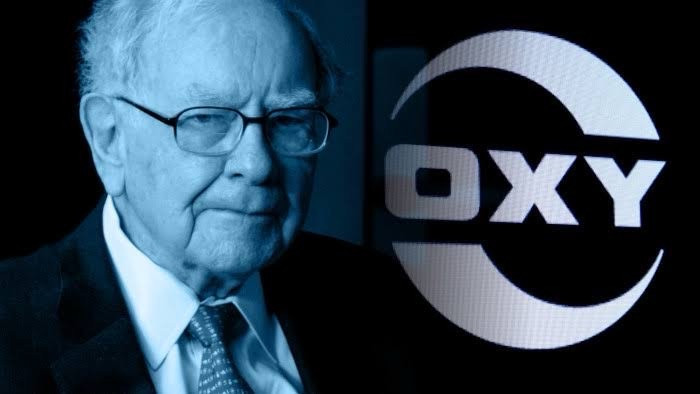
News broke recently that Warren Buffett’s Berkshire Hathaway $BRK.B is in talks to buy Occidental Petroleum $OXY’s chemical subsidiary, OxyChem, for about 10 billion dollars. If the deal goes through, it would be Berkshire’s biggest acquisition since the 13 billion dollar purchase of insurer Alleghany in 2022.
At first glance, this looks like just another big transaction, but the story becomes much more interesting once you understand Occidental’s struggles and Buffett’s playbook.
Why Occidental Is Under Pressure
Occidental Petroleum is known primarily as an oil and gas producer, but it also owns a sizeable chemical business. This side of the company makes petrochemicals, similar to players like Dow and LyondellBasell.
The problem is that chemicals are in a down cycle. Margins are weak, demand is soft, and profits are under pressure. Occidental estimates that OxyChem will generate about 850 million dollars in pretax profit this year, far lower than the 1.5 billion dollars it earned in 2023.
At the same time, Occidental is carrying a heavy debt burden. The biggest reason goes back to 2019, when CEO Vicki Hollub aggressively bought Anadarko Petroleum in a bidding war with Chevron. To pull it off, she borrowed heavily and even turned to Buffett, who put in 10 billion dollars for preferred stock with an 8 percent annual dividend plus warrants to buy more shares.
That deal helped her win Anadarko but left Occidental with a lingering problem. The company now pays over 600 million dollars every year to Berkshire in preferred dividends. At the end of the second quarter this year, Occidental still had about 22 billion dollars of net debt. Management’s goal is to bring it down to 15 billion. Selling OxyChem would take them most of the way there.
Buffett’s Way of Doing Deals
Buffett has a well-known rule when it comes to acquisitions. He doesn’t like to chase deals or overpay. Instead, he prefers to buy when assets are cheap and sentiment is low.
That is exactly the situation with OxyChem today. The industry is at the bottom of the cycle, profits are depressed, and valuations look reasonable. Paying around 10 billion dollars works out to roughly eight times projected 2025 EBITDA—a measure of earnings before interest, tax, depreciation, and amortization. For a cyclical business, buying at the bottom can turn into a very good deal once the cycle improves.
Another reason Buffett may be motivated is Berkshire’s growing cash pile. The company has more than 330 billion dollars in cash and short-term investments, and shareholders have been waiting for Buffett to put that money to work. With few appealing opportunities in either stocks or whole companies, OxyChem could be exactly the type of solid, asset-heavy business that fits Berkshire’s style.
Who Benefits from the Deal
For Occidental, selling OxyChem would finally ease the debt pressure that has haunted the company for years. It would allow management to focus on its core oil and gas operations without constantly worrying about leverage.
For Berkshire, this would mean picking up a quality business at a reasonable valuation and further strengthening its ties with Occidental, where it already owns a 27 percent equity stake plus billions in preferred stock and warrants.
Still, there is a trade-off. OxyChem gave Occidental diversification. It provided a buffer against the ups and downs of oil prices. If the unit is sold, Occidental becomes more of a pure-play oil company, which could make it riskier in a world where oil prices are volatile and energy transition pressures are rising.
My Take on the Story
To me, this looks like a classic Buffett move. He is not chasing trends or hot sectors. Instead, he is buying into a business that others are overlooking because of temporary weakness. If the chemical cycle recovers in the next few years, Berkshire would have locked in a valuable asset at a time when most people were too focused on the downside.
For Occidental, this is less about strategy and more about survival. The company is essentially trading a long-term diversification advantage for short-term financial relief. It is a rational decision given its debt situation, but one that may narrow its options in the future.
What Happens Next
The biggest question is whether the deal will actually close. Buffett is famous for avoiding auctions. He usually presents a simple “take it or leave it” offer. If Occidental agrees without testing the market, then Berkshire may walk away with another major acquisition that fits perfectly into Buffett’s long history of opportunistic buys.
For Berkshire shareholders, that would finally mean seeing some of that enormous cash pile put to productive use. And for Buffett, it would be another reminder that in investing, patience and discipline often win the game.