
Zijin’s Meteoric Rise: Is Gold Powering Hong Kong’s Fastest IPO-to-Index Move?

Zijin Gold International listed on the Hong Kong Exchange on Sept. 30 at HK$71.59, rocketed 68.46% on day one, climbed further to HK$137.50 by Oct. 2, and — just two trading days after listing — was announced for fast inclusion into the Hang Seng Composite Index effective Oct. 16.
Key points you need to know
- Zijin Gold’s speed: Listed Sept. 30 with an IPO price of HK$71.59; first-day jump 68.46%; Hang Seng fast-track inclusion announced Oct. 2, effective Oct. 16.
- Scale and backing: IPO issued ~349 million shares; raised about HK$25 billion; 26 cornerstone investors (including GIC, Hillhouse, BlackRock) took ~US$1.6bn (49.9% of global offering).
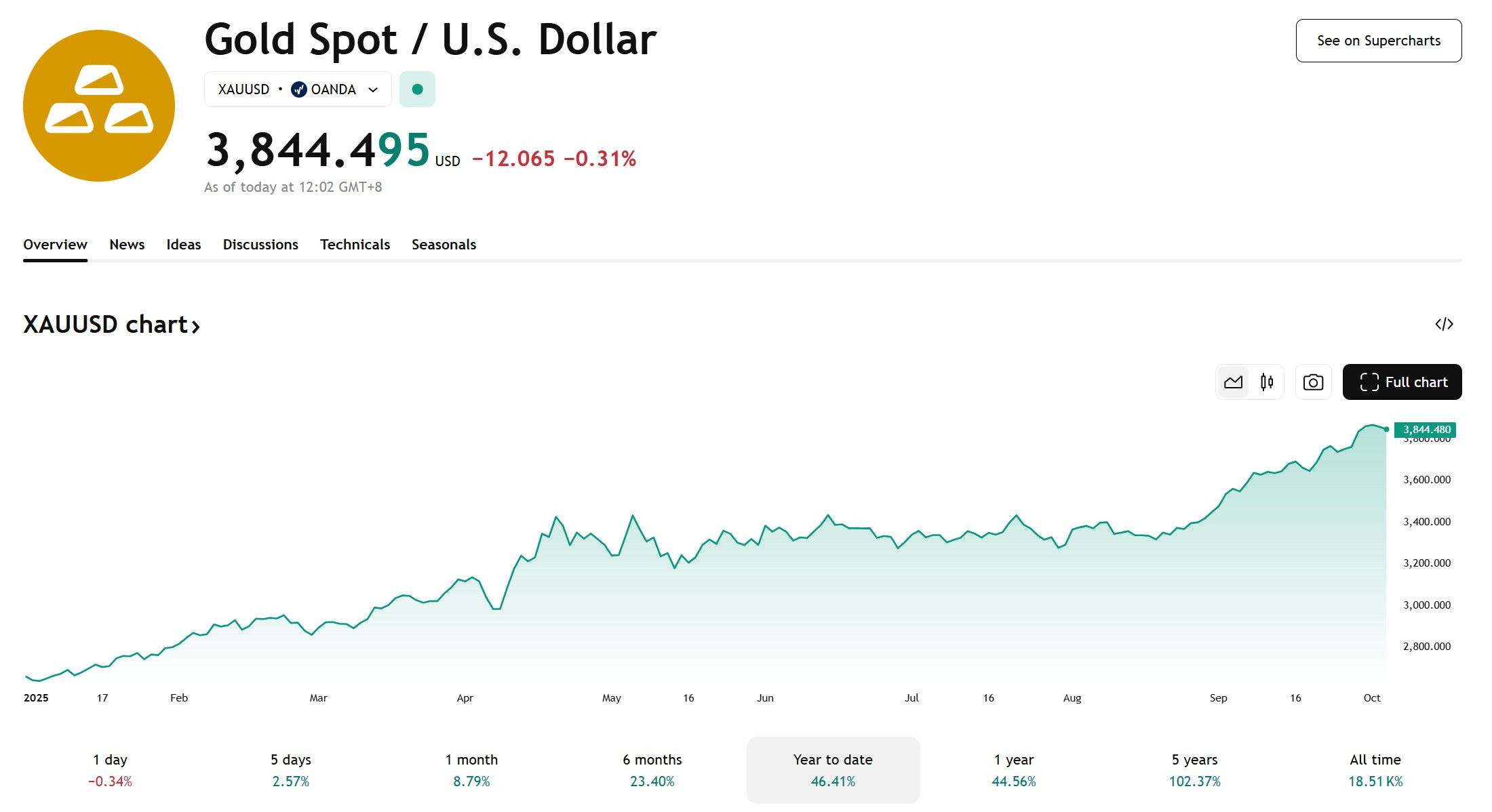
- Gold market backdrop: Gold rose from roughly US$2,650/oz at the start of the year to near US$3,900/oz on Oct. 1, hitting record highs some 37 times YTD.
- S. gold valuation debate: Rising prices push the Treasury’s gold value over US$1tn; accounting revaluation could, in theory, free up about US$990bn in balance-sheet room — a QE-like effect that faces legal and policy headwinds.
- Market impact: Index inclusion will likely attract passive flows into Zijin; gold’s rally has driven investor demand and created broader macro policy questions rather than immediate fiscal action.
Why Zijin moved so fast: size, cornerstone backing and index mechanics?
Zijin’s rapid inclusion boiled down to three simple mechanics: scale, liquidity and institutional endorsement. The post-listing capitalization immediately placed the company within thresholds the Hang Seng uses for expedited entry.
That indexing rule is designed to capture very large, liquid listings quickly rather than waiting for the next quarterly rebalance.
Cornerstone allocations from sovereign and global managers supplied both the cash and the credibility necessary to sustain strong secondary trading.
High-profile anchors reduce perceived risk for retail and fund managers, meaning more investors trade earlier and more heavily — the exact liquidity the index provider looks for when fast-tracking inclusion.
Historically, fast-track additions are rare; Alibaba’s 2019 example stands out. For a newly listed company, index inclusion triggers passive flows from trackers and ETFs, creating a reinforcing cycle of demand that can sustain prices beyond initial retail enthusiasm.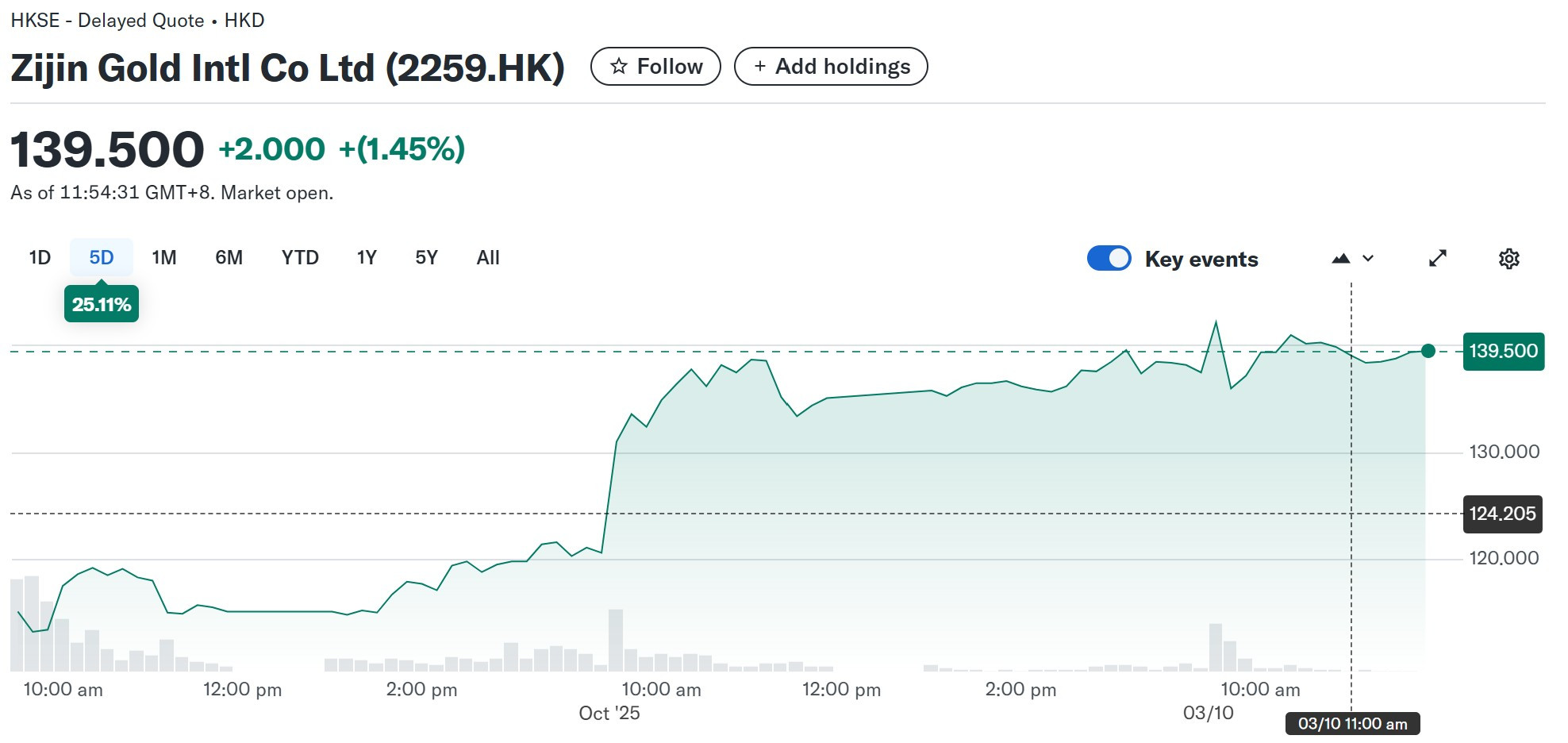
Gold’s run and the U.S. revaluation question: what’s real and what’s theoretical?
Gold’s extraordinary year-to-date performance — a roughly 45% rise and dozens of record prints — has two clear impacts. It inflates the market value of miners’ assets and earnings prospects, lifting IPO valuations and investor appetite for gold exposure.
The surge has pushed the headline market value of the U.S. Treasury’s gold holdings above US$1 trillion, re-sparking debate about whether Washington could revalue reserves to create accounting wiggle-room.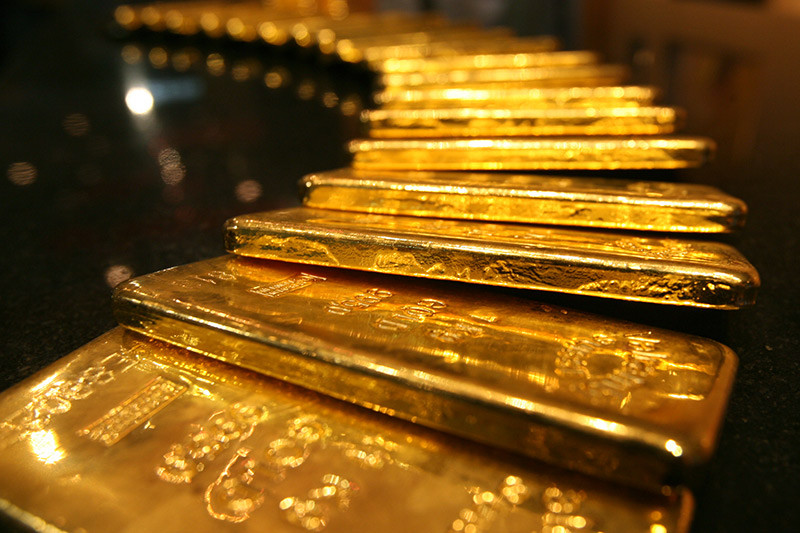
Mechanically, the Treasury owns the U.S. gold; the Federal Reserve holds corresponding gold certificates. If the Treasury revalued gold to current market prices and recognized the gain in its books, the asset side of the public balance sheet would rise substantially.
Parallel accounting moves at the Fed would expand reported assets and liabilities, producing an outcome that looks like a QE-style balance-sheet enlargement without open-market purchases.
But the move is mostly theoretical. Decades of practice have kept U.S. gold on historical-cost accounting precisely to protect fiscal-monetary separation and avoid abrupt balance-sheet shocks. Legal constraints, institutional norms and political objections make revaluation a high-friction option.
Market commentators point out that such a maneuver could be viewed as an unconventional fiscal shortcut, with potential inflationary consequences and risks to central-bank independence.
Market implications and the bottom line: winners, risks and what to watch?
In the short term, Zijin Gold International is a clear winner: a large IPO, heavy institutional backing, fast index inclusion and a soaring gold price created an alignment of positive forces. Mining equities and service providers tied to gold production may continue to attract capital while the rally lasts.
On the macro front, talk of U.S. gold revaluation is an important narrative that can feed further asset-price moves — gold, bitcoin and other alternative stores of value tend to benefit from such speculation.
Yet narrative does not equal policy. Any real revaluation would confront legal scrutiny, institutional resistance and political risk. Analysts warn that using gold revaluation to relieve Treasury financing needs would amount to a quasi-monetary expansion, which could stoke inflationary expectations.
Practical watch-lists: track index rebalancing flows after Oct. 16, monitor secondary liquidity and share turnover for Zijin, and watch official signals from the U.S. Treasury and the Fed regarding any accounting changes.
Also observe whether cornerstone investors keep positions steady or reduce holdings in the weeks following inclusion — their behavior often signals whether the rally is durable.
Bottom line: Zijin’s lightning-fast path from IPO to index inclusion is an outcome of scale, liquidity and strong institutional demand, all amplified by one of the most powerful gold markets in decades.
The U.S. gold revaluation debate adds a dramatic macro angle, but it remains a policy hypothesis more than an imminent fiscal tool. For investors, the immediate effect is clear — flows and visibility favor Zijin — while the broader policy implications deserve sober attention rather than headline-driven exuberance.