
Tech’s Triumph and Tension: Is Today’s Rally Really Different?

Goldman Sachs argues this tech rally is backed by real earnings growth, not pure speculation, but valuations are tight and risks are uneven.
Google’s consecutive Nobel-linked research wins reinforce a deep R&D moat, yet the AI value chain is bifurcating: chips and servers capture the lion’s share of profits while cloud renters and many app makers face thin margins and rising leverage. Investors should weigh both the engineering reality and the commercial fragility.
Key Points
- Goldman’s Peter Oppenheimer sees strong earnings behind the rally; valuations are elevated but not yet a classic bubble.
- Nasdaq-100 forward P/E ≈ 28x (10-yr average ≈ 23x); MSCI ex-US ≈
- Oracle reported AI server rental gross margins near 14% vs. ~70% corporate gross margin.
- Google-linked research contributed to consecutive Nobel ties (AI/chemistry last year; quantum-related physics this year).
- Goldman flags ~$381bn cloud capex in 2025 for five mega-clouds and a projected ~165% rise in data-center power demand by 2030.

Is this rally really different from past bubbles — or just a fancier echo?
Goldman’s core claim: unlike 1990s-style manias, today’s run is accompanied by meaningful profit growth among leading tech names and robust balance sheets that justify much price action. That is the central reason Oppenheimer cautions that this looks different.
Yet valuation tension is real. When market prices outpace the value implied by future cash flows, vulnerability grows. The investor reaction to Oracle’s margin disclosure — roughly 14% on Nvidia server rentals — showed how a single profitability datapoint can shift sentiment.
The comparison to 1999 matters: Nasdaq’s peak LTM P/E was ~68.4x then versus roughly ~37.0x as of Oct. 3, 2025, leaving room relative to that bubble, but not immunity.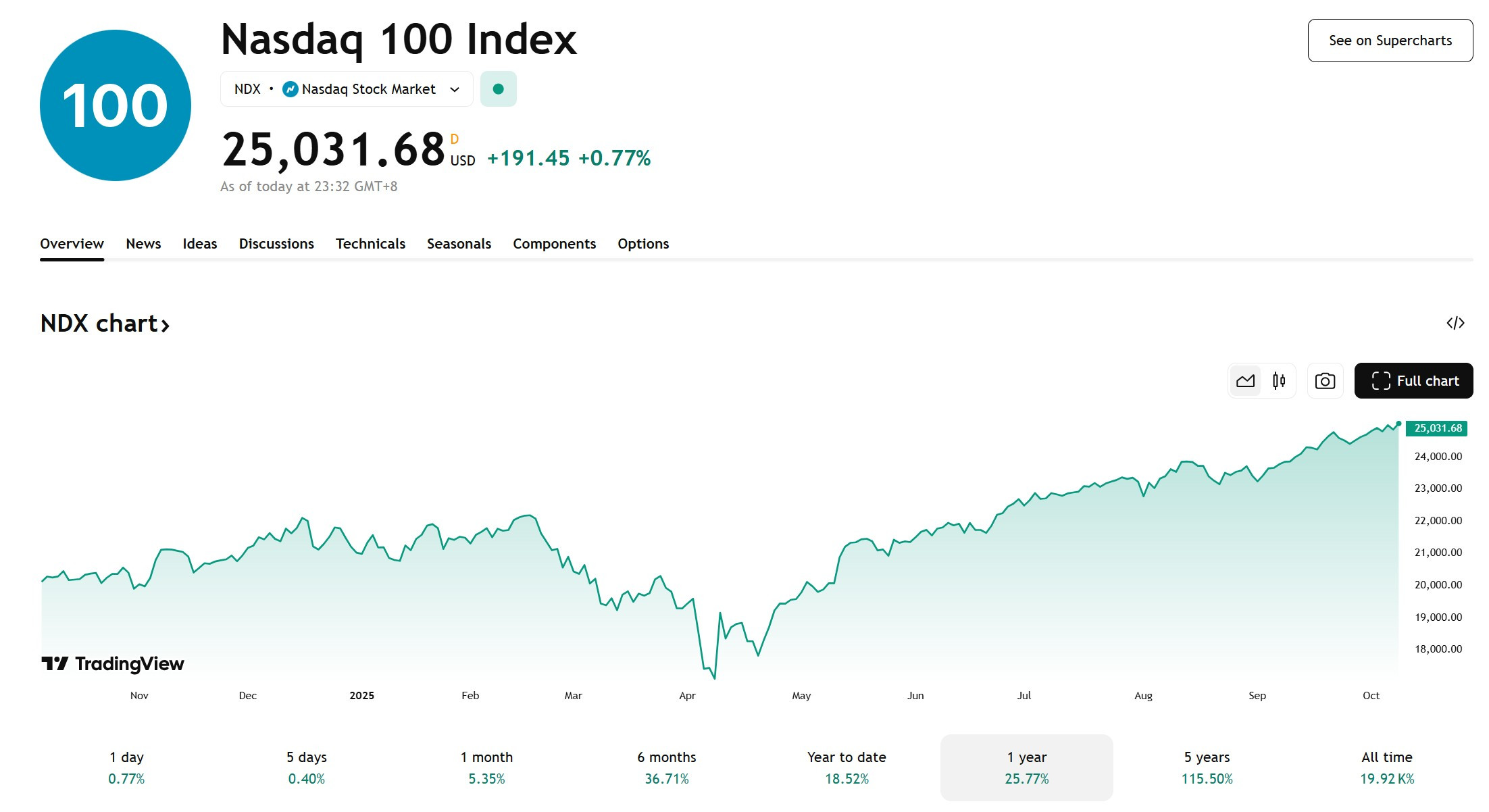
What do Google’s Nobel wins and rising infrastructure needs actually tell us?
Google’s consecutive ties to top science prizes are more than headline prestige: they reflect long-term bets on foundational research that can feed platform advantages in areas like drug discovery and next-generation computing.
Those wins signal intellectual capital and potential technological differentiation that are hard to replicate quickly.
But science alone doesn’t monetize itself. Goldman’s analysis shows the AI story also runs through physical infrastructure: five mega-clouds’ capex is estimated at roughly $381 billion in 2025, and data-center electricity demand could rise about 165% by 2030.
Scaling AI therefore requires not just algorithms and talent but substations, generation, and transmission — real constraints that will shape who benefits and when.
Who’s really profiting from AI — and what does that mean for returns?
The AI value chain today resembles a waterfall: upstream players collect most near-term economic rent while many downstream participants face squeezed economics. Nvidia, TSMC, and server OEMs like Dell are capturing strong demand and pricing power and are reporting tangible profit upgrades.
Downstream, cloud providers and many application developers face high hardware costs and thin gross margins. Oracle’s ~14% rental margin on rented Nvidia servers highlights how rapid revenue growth can coexist with low per-unit profitability for service providers.
As a result, rising corporate debt tied to AI projects — flagged by Goldman and other banks — is a financing risk investors must monitor.
What concrete metrics should investors watch — and what should they do?
Narrative is cheap; metrics are decisive. Watch AI service gross margins, capex commitments and cadence, evidence of enterprise monetization, and power/infrastructure plans.
Studies cited by Goldman and others find enterprise ROI still limited — for example, an MIT study suggesting only ~5% of firms reported measurable P&L impact — so claims of immediate, widespread value capture deserve scrutiny.
Practically, Goldman’s advice is simple: diversify. Avoid concentrated bets on just a few winners and balance exposure across hardware, infrastructure providers, and select software franchises. Track hard profit signals rather than relying on adoption headlines alone.
Will the rally endure execution and monetization shocks — or crack under them?
The rally rests on three pillars: demonstrable engineering progress, Nobel-level science, and massive capital deployment. Those make the case that today’s optimism is not pure mania.
Still, profits are unevenly distributed, many commercial models remain nascent, and leverage is rising in parts of the ecosystem. If monetization timelines slip, or if infrastructure bottlenecks and margin surprises proliferate, sentiment could reprice sharply.
Investors who hold both the upside story and the execution risks in view will be better prepared for the next re-calibration.
Bottom line again: the current tech rally combines genuine scientific breakthroughs and concrete earnings with substantial infrastructure commitments — but the economic gains are concentrated, monetization for many players is unproven, and rising leverage adds fragility. Treat the story as real, but invest with indicators, not illusions.