
Argentina’s Peso Faces Crisis Moment! After Pouring $1.5 Billion into Interventions, Is the Government Running Out of Ammo?

The asset sell-off triggered by Argentina’s political risks continues. According to industry sources, the Argentine finance ministry has intervened in forex markets for the seventh consecutive trading day, having injected ~$1.5 billion over the prior six days to prop up the weakening peso.
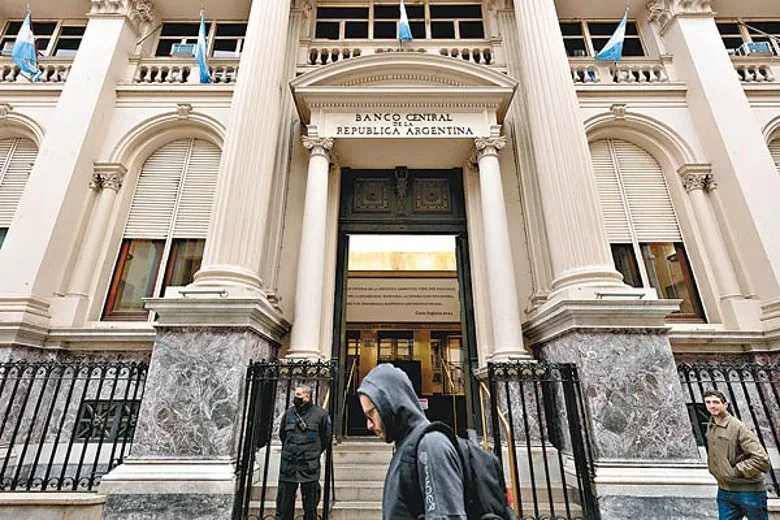
A report from Portfolio Personal Inversiones shows the central bank’s dollar reserves plummeted from $1.44 billion last Friday to just $680 million, meaning, at this pace, the bank’s intervention capacity may last only a few more days.
Consulting firm Wise Capital added that the finance ministry has sold off over three-quarters of the hard currency raised through export programs.
Previously, Argentina scrapped agricultural export taxes, earning ~$7 billion from soybean and other crop sales. But these funds are likely to run dry in the weeks before the mid-term elections.
Meanwhile, the U.S. government pledged a $20 billion currency swap deal with Argentina last month. Economy Minister Luis Caputo is in the U.S. negotiating the plan, and President Milei is set to meet President Trump next week, when more details may be announced.
Futile Efforts
The recent peso sell-off is tied to market expectations that Milei’s government will adopt looser policies after the mid-term elections.
But rapid depreciation has sparked some panic, prompting heavier government intervention. Paradoxically, the more the government supports the peso, the less investors believe in the exchange rate’s stability, exacerbating the redemption crisis.
Santiago Resico, an economist at brokerage one618, said markets expect a shift in the forex regime the day after the elections, meaning pressure on the exchange rate will intensify as the vote nears. The finance ministry’s massive daily dollar sales are clearly ineffective.
Argentina’s mid-term elections are set for October 26, and Milei needs to secure a majority in both chambers of Congress to push his ambitious economic reforms. But his party is losing voter trust due to corruption scandals, sparking a financial market sell-off in early September.
The U.S. pledge to aid Argentina’s markets has slowed the sell-off to some extent, but the downward trend persists. Ultimately, Milei’s political influence is the key factor in the financial market’s vote.
Argentines are growing skeptical of Milei’s “chainsaw therapy” fiscal reforms. His deep cuts to social welfare and other sectors have led many to feel he’s “cutting too deep.”