
Fed at a Crossroads: Are Cuts Coming — or Is Caution Winning?

Senior Federal Reserve officials offered conflicting signals this week about the path of U.S. interest rates.
A group led by San Francisco Fed President Mary Daly and New York Fed President John Williams favors further 25-basis-point reductions to manage growing downside risks to the labor market.
But Governor Michael Barr and others counsel caution, warning that inflation risks remain.
The Fed’s minutes and market pricing still leave room for more cuts this year — yet internal disagreement and delayed data have raised the odds of an uncertain decision ahead of the Oct. 28–29 meeting.
Key Points
- The Fed cut rates 25 bps last month in an 11–1 vote; one official preferred a larger cut.
- Daly and Williams emphasize labor-market downside risk and support further easing to rebalance inflation and employment.
- Barr argues for caution, warning core PCE could rise and urging more data before further easing.
- Waller sees payrolls possibly negative recently, is open to a 25-bp cut, but stresses prudence.
- FOMC minutes showed most of 19 officials thought at least two additional 25-bp cuts could be appropriate by year-end.
- Market pricing (CME FedWatch) places high odds on an October cut and further easing into December; timing remains data-dependent.
Who wants what — and why?
Mary Daly and John Williams frame the dilemma as one of trade-offs: inflation remains a concern, but the recent rise in prices has been smaller than feared.
Daly said her focus has shifted toward preventing a deeper labor-market slide; Williams agreed, adding he sees no fresh, broad upward inflation push from tariffs.
For both, limited inflation upside creates room to manage employment risks through measured easing.
Michael Barr, by contrast, moved to the center of the caution camp. He emphasized that the Fed should not be complacent about inflation and highlighted his view that core personal consumption expenditures could exceed 3% by year-end.
Barr urged collecting more data and updating forecasts before committing to further cuts, arguing premature easing risks re-anchoring inflation expectations.
Christopher Waller occupies a pragmatic middle ground. He warned payroll growth may have been negative in recent months and called labor weakness the Fed’s principal concern.
Yet he remains cautious, saying he is open to a 25-bp cut while demanding careful assessment of the incoming data.
So which risk matters more — jobs or prices?
For Daly and Williams, the immediate danger is a deteriorating labor market whose costs, if left unchecked, could be larger and longer lasting than a temporary overshoot in inflation.
Their reasoning: modestly below-expected inflation provides policy space to lean against job losses and partly cushion household incomes.
Barr’s counter is that inflation persistence would be costly to reverse. He points to FOMC forecasts suggesting inflation may not return to 2% until 2027 and stresses the difficulty of pulling it back without higher policy rates later.
From his view, the Fed should prioritize credibility on price stability and wait for clearer signals.
Waller’s position illustrates the committee’s core difficulty: both risks are real. Policymakers must weigh which scenario is likelier and which would be most damaging if mishandled.
Timing and the data crunch: why October is tricky
The Fed faces a compressed information set ahead of its Oct. 28–29 meeting. A partial U.S. government shutdown delayed the September payrolls report and may postpone upcoming CPI releases, narrowing the window for fresh, reliable data.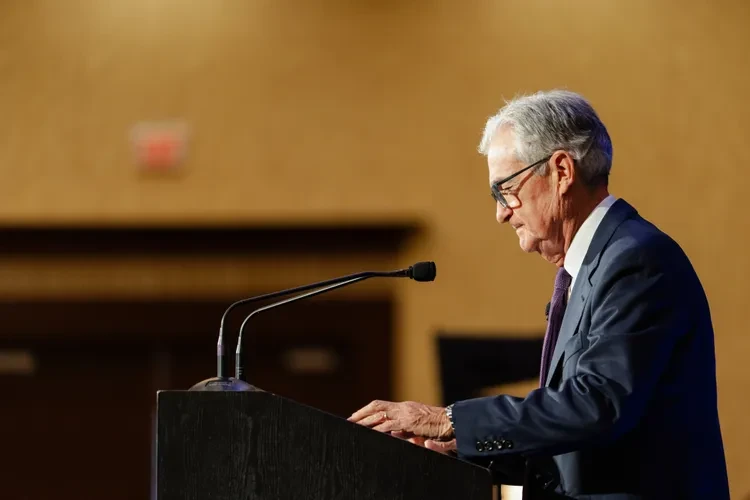
With a public “blackout” period before the meeting, officials have only a few remaining reports and speeches to guide their judgments.
That timing pressure magnifies the influence of public remarks by Fed officials and market moves. When data are thin, communications — not just statistics — can shift expectations.
The minutes released Oct. 8 signaled that many officials saw room for at least two more 25-bp cuts, but those judgments were made with the data available then; new surprises could tilt the balance.
Markets and policy math: what investors are pricing
Markets have reacted quickly to the debate.
CME FedWatch and similar instruments priced a high probability of a 25-bp cut in October and further easing into December, reflecting expectations of continued accommodation.
But pricing is volatile: speeches or even snippets of new data can swing odds materially.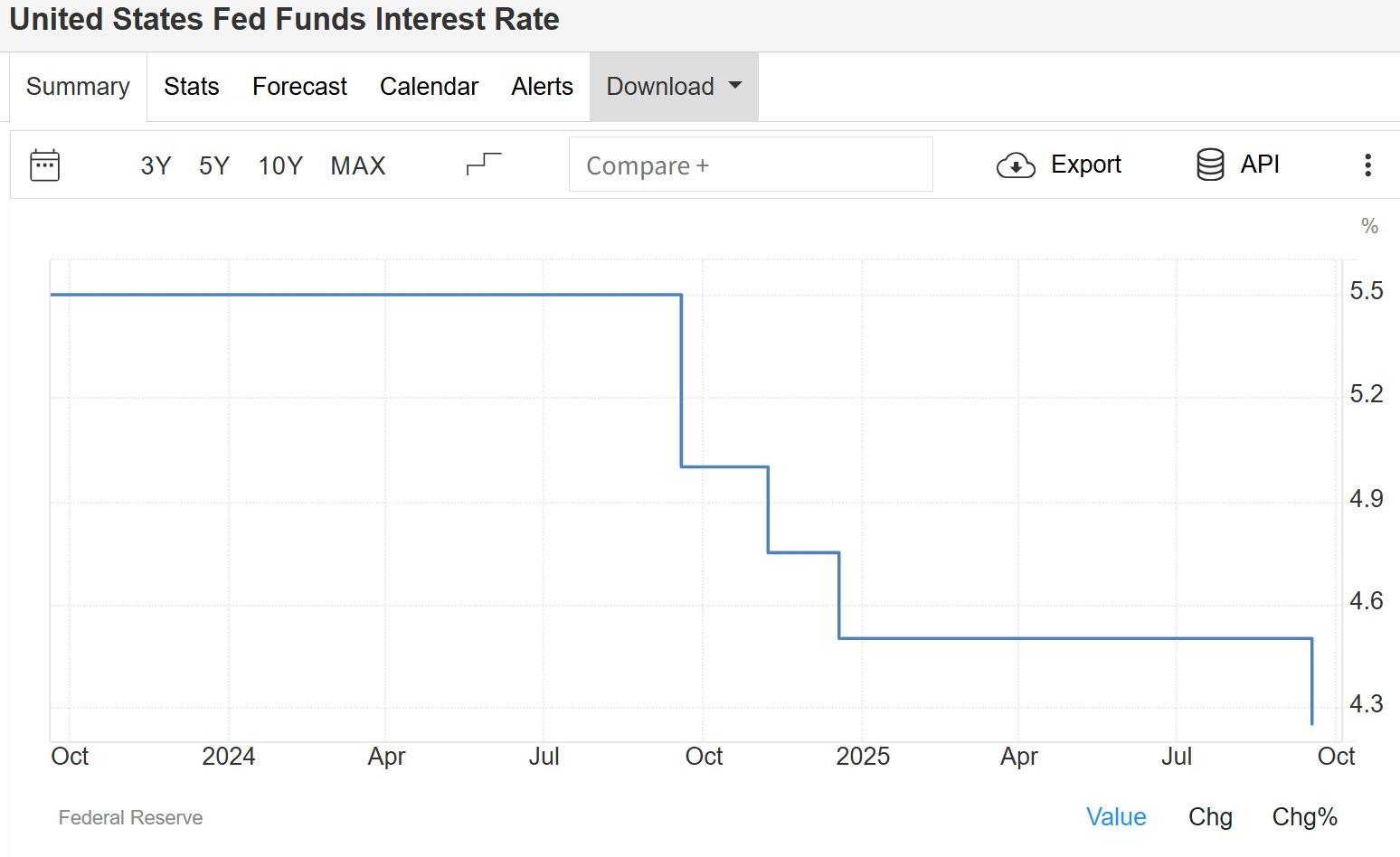 For investors, the biggest risk is policy whipsaw. If the Fed eases and inflation reaccelerates, the central bank might be forced into sharper tightening later — a scenario that could unsettle bond markets and risk assets.
Conversely, if the Fed holds fire and labor softens sharply, the economic slowdown could deepen and equity markets could face a tougher earnings outlook.
Practical trade-offs: credibility, timing, and communication
Policymakers face three linked trade-offs. First, credibility on inflation vs. flexibility to support employment. Second, acting early to cushion labor weakness vs. acting late to avoid reigniting inflation. Third, how to communicate an uncertain path without spooking markets.
Daly and Williams favor a clear tilt toward pre-emptive risk management for labor. Barr argues the Fed’s credibility on price stability must remain intact.
Waller — and likely many committee members — will seek to thread the needle: limited, data-contingent easing accompanied by careful messaging to avoid feeding either inflation expectations or market complacency.
What to watch next?
With a compressed data calendar, the coming days matter more than usual.
Watch for the delayed September payrolls, any CPI releases, and remarks from Fed officials that could clarify whether the committee’s majority remains aligned with the “two more cuts” expectation.
Also watch market volatility and inflation-expectation indicators; both will affect how officials judge the risk balance.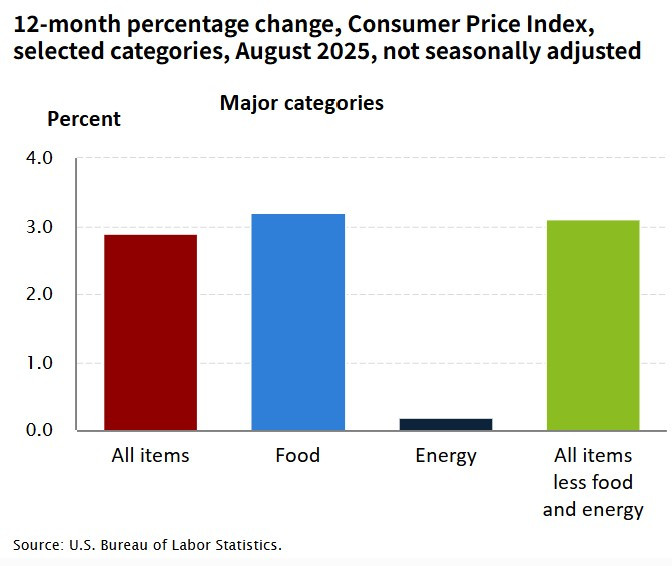
Bottom line: likely action, but not with unanimity
The Fed has signaled willingness to ease further, but officials are far from unanimous on pace and timing. The committee’s recent 11–1 vote for a 25-bp cut underscores a tilt toward easing.
Yet Barr’s caution and delays in key data heighten the chance of a more measured or even paused approach.
In short: action is possible, but the Fed’s path will depend on a delicate, data-driven weighing of whether labor-market risks now outweigh lingering inflation concerns.