
Market Jolt: Is This Another “TACO” Trade That Opens a Buying Window?

Short answer up front: yes — the evidence points to another classic “TACO trade” episode. Friday’s Trump tweet triggered a global risk unwind, but history and on-the-ground policy dynamics suggest the selloff is a time-limited shock rather than a regime shift.
That makes steep, selective pullbacks a tactical buying opportunity — especially for China-centric tech and domestic-demand plays.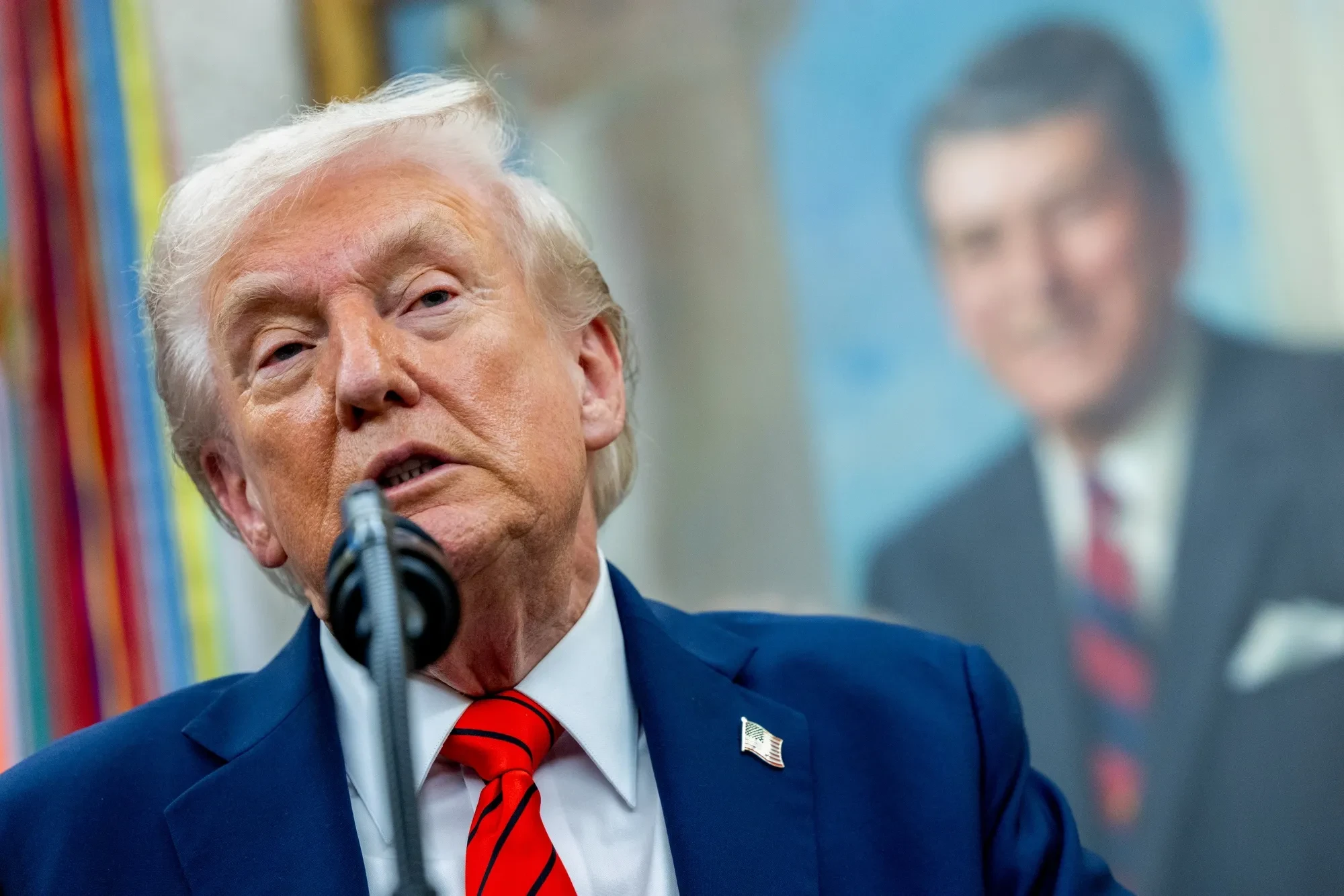
Key Points
- Oct 10 headline risk sent global assets lower; U.S. indices fell sharply while China-linked stocks and copper underperformed.
- This episode resembles earlier “TACO trades”: headline-driven, often preceding negotiations, and typically time-limited.
- Technical support likely lies in the Wind All-A 20–30 day moving average band; historical breaches were usually shallow.
- Policy responses are active and symmetric — China implemented export rules and port fees, the U.S. threatened tariffs and controls — creating both risk and negotiation levers.
- Tactical implication: use validated technical pullbacks to add to structurally sound tech and domestic-demand names.
Is this really another “TACO trade”?
“TACO trade” is shorthand for market moves driven by Donald Trump’s unpredictable trade rhetoric and episodic policy threats. The defining trait is volatility born of political theatre rather than an immediate collapse of economic fundamentals.
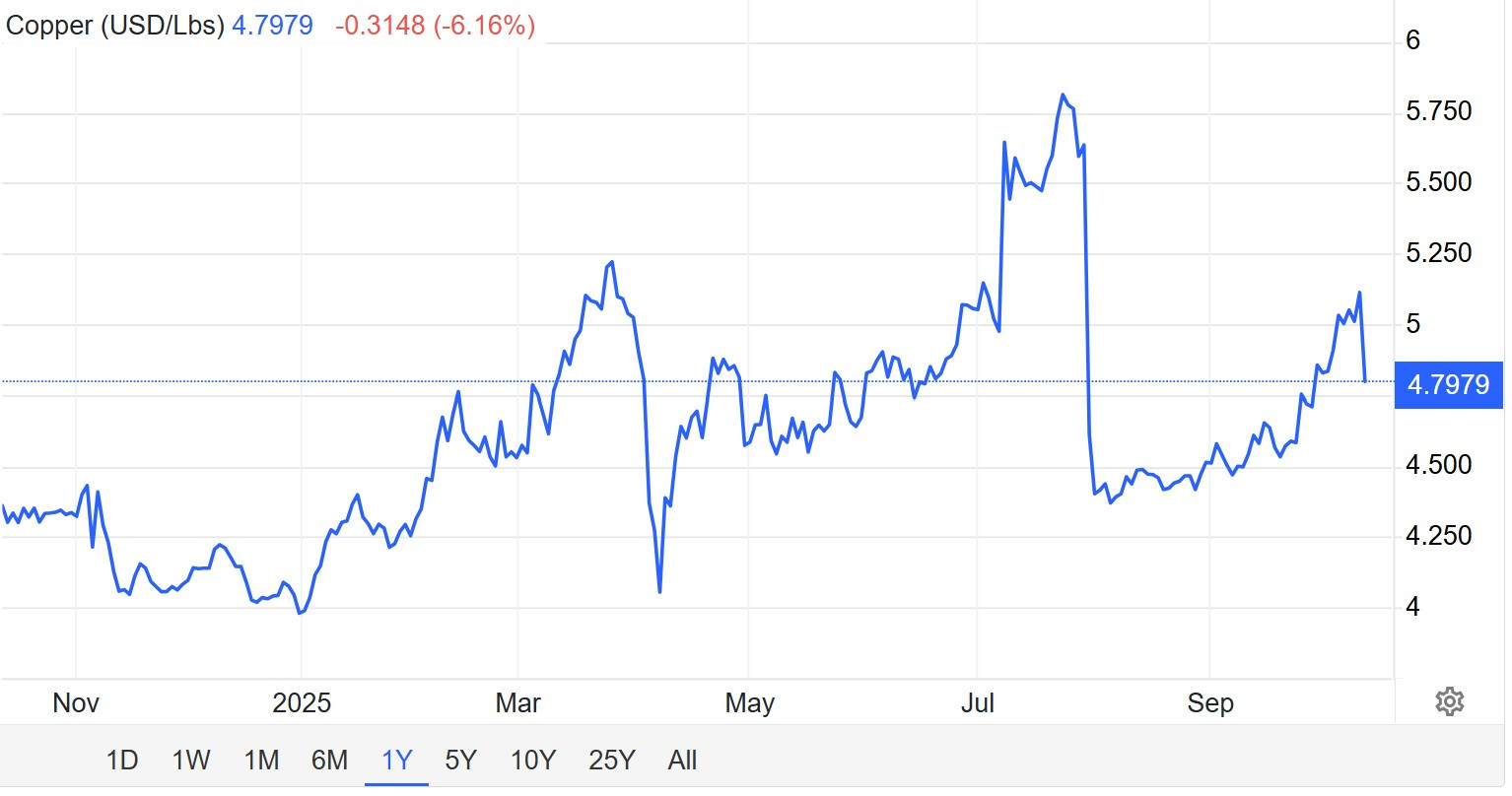
This episode fits that pattern. The initial shock came from a public statement threatening sweeping tariffs and controls. Yet the immediate market reaction shows nuance: U.S. equities, the dollar and oil fell less than in April, while China-linked assets and copper fell more.
That asymmetric cross-asset response is consistent with a headline-driven risk re-pricing rather than broad macro dislocation.
Importantly, this year has featured multiple pre-talk escalations — ahead of Geneva, London, Stockholm and Madrid meetings — where threats rose then eased as talks approached. Sequence matters: threats, then negotiation, then often partial de-escalation. That behavioral rhythm is exactly what investors labelled “TACO trades” tend to look like.
So, if you accept the taxonomy, this is likely another TACO: noisy, fear-driven, and time-limited. That makes the episode a candidate for disciplined, tactical buying on validated technical damage.
How is this episode different from April and 2018–19?
Don’t conflate every escalation. The macro backdrop and structural factors today differ meaningfully from prior episodes.
Compared with April this year, the policy and liquidity backdrop is more explicitly accommodative on the Chinese side: domestic “looser money + looser fiscal” is clearer now than it was in April. That provides more policy firepower to cushion any externally induced shock.
The April episode already taught markets a lesson: the threat of 100% tariffs proved economically incoherent and politically costly, and many threats since then have either been delayed, narrowed, or partially reversed.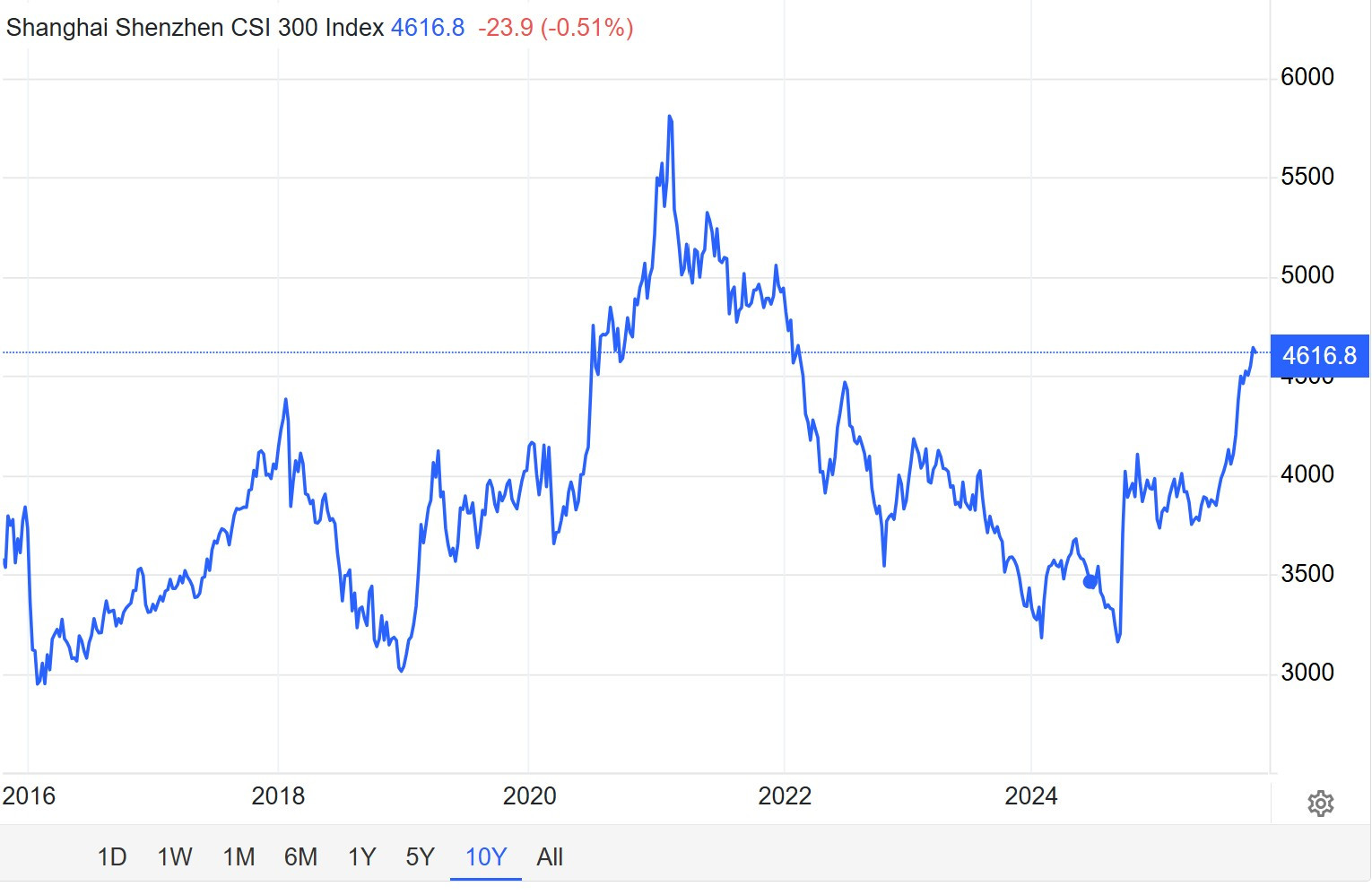
Investors carry that memory, so headline risk tends to produce shorter and shallower windows of panic.
Contrast 2018–19: then, trade tensions sat against a different cyclical and technological backdrop. In 2019 the market began to price in a new tech cycle (5G, semiconductor domestic substitution) and domestic policy pivoting that blunted downside.
Today, like 2019, some industry trends — AI compute, semiconductor domestic supply chains, and tech substitution — are clearer, so parts of the market may already be desensitized to episodic trade friction.
That said, differences cut both ways. A-share valuations are generally higher now than in April, leaving less margin for error in momentum-driven names. But the presence of clearer policy backstops and more mature industry narratives argues that fundamental, up-cycle names will likely decouple from headline noise faster than in earlier episodes.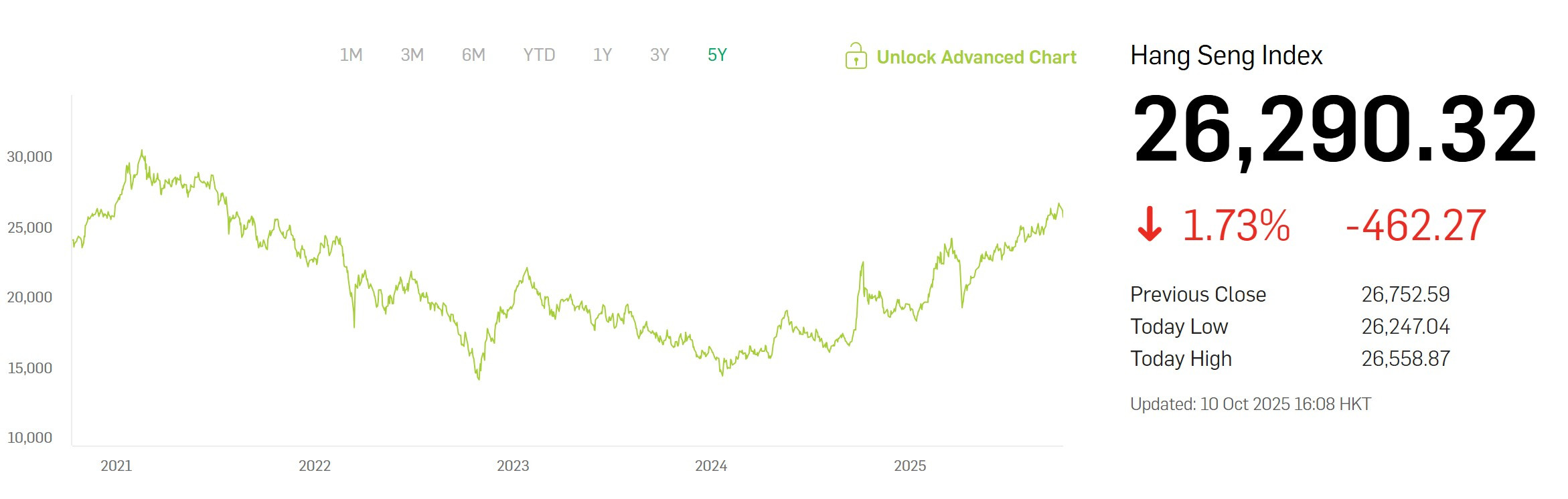
Where the A-share market is likely to find technical support?
If you need a technical rulebook: watch the 20–30-day band. Historical bull-market behavior is instructive.
Across 99 cases of Wind All-A breaching its 20-day moving average during prior bull markets, the average follow-through was modest: a mean drawdown of 2.9% over about 6.4 trading days.
Recovery probabilities rose rapidly: win rates at T+5, T+20, T+60 and T+180 were 60%, 67%, 79% and 92% respectively.
Only 11 of the 99 episodes evolved into deeper setbacks — these correlated with further negative shocks (trade escalations, global risk events, policy tightening). In those cases the extra drawdown averaged ~10% over another ~11 trading days. Even then, the larger bull-market context did not end.
Apply this to today: if the index revisits the 20-day EMA and holds inside the 20–30-day band, history suggests limited downside and a high probability of resumption.
From a risk-management perspective, use the EMA deviation framework: avoid chasing when deviation >15%; scale in when deviation is 5–15%; hold through shallow breaches (-5% to 0%) but consider stop rules if deviation drops below -5%.
Monitor sector-level deviation: currently sci-tech chips sit around a +5.9% deviation from EMA20; light modules -2.5%; PCB -1.7%; innovative drugs -3.6%; metals +10.4%; batteries +4.6%. A quick fall of the chip complex back to EMA20 would be the kind of tactical entry many investors have been waiting for.
Sectors to consider and tactical rules for entry
History and the April replay teach a two-stage rotation: first, bargain hunting among names less exposed to tariff mechanics; second, selectively buying tariff-sensitive winners once the dust settles.
Stage 1 — defensive but quality: when the market rips out immediate fear, intra-week rebounds tend to favour domestic demand and non-U.S. export chains. Think high-quality consumption plays, domestic distributors, and companies with strong moat economics. These names often fill the gap quickly and can be rebalanced for shorter holding periods.
Stage 2 — structural winners: once policy noise stabilizes, the market tends to re-price structural narratives: domestic semiconductor substitution, AI compute stacks, semiconductor equipment (including lithography supply chains), AI end-point applications, and other domestic substitution themes. These are the names to hold on a medium-term thesis.
Tactical rules:
- Do not average down indiscriminately. Use step-in buys tied to technical levels (EMA20, EMA30).
- If a mainline sector (e.g., sci-tech chips) falls back to EMA20 from +5–10% deviation, treat that as a primary re-entry window.
- Preserve liquidity for two kinds of opportunities: transient mispricings in low-leverage, high-quality names; and deeper selloffs in structurally critical parts of the tech stack.
- For fixed income: watch for a near-term trading window. April saw 10Y yields fall sharply; if risk aversion re-emerges, consider duration tactical shifts and cut-sheet rotation (e.g., trimming longer maturities for 10Y).
- For FX and commodities: expect RMB volatility in a 7.1–7.2 band while headlines persist; copper and other trade-sensitive commodities may overshoot on the downside.
What to watch next?
- Negotiation calendar and tone: previous escalations flattened as talks approached (Geneva, London, Stockholm, Madrid); any signs of resumed constructive diplomacy should reduce headline risk fast.
- Policy responses: on Oct 9 China updated rare-earth and related export controls; on Oct 10 China announced special port fees for U.S.-controlled ships. Symmetry of measures raises both political risk and bargaining leverage — track how granular and enforceable these moves are.
- Technical thresholds: Wind All-A’s behavior around the 20-day and 30-day EMAs will signal whether the episode is a shallow shock or an extended correction.
- Sector deviation and earnings: monitor whether fundamentals (earnings guidance, capacity/utilization in semiconductors) confirm or contradict the headline narrative. Fundamentals win over time.
- Liquidity: unlike April, domestic liquidity settings are more clearly accommodative. Watch PBOC messaging and onshore liquidity operations for the timing and magnitude of backstops.
Bottom line
This episode looks a lot like prior “TACO trades”: sudden, headline-driven, reversible. Markets often overreact — and history shows those reactions create buying windows more often than they mark the start of a new bear phase.
For disciplined investors that means: prioritize quality, respect technical thresholds, and use any sharp, validated selloff in structurally important tech names — AI compute chips, semiconductor equipment, and domestic supply chains — as an opportunity to add exposure at a better price.
Short-term pain, yes. Strategic opportunity, also yes. If this plays out like past TACO episodes, the next few trading sessions will tell us whether the headline event is a brief detour or a deeper detraction. Either way, let rules (technical levels, policy signals, and industry fundamentals) — not panic — dictate the moves.