
Strategic Thoughts on Tariff Shock 2.0: The TACO Trade

TACO Trade
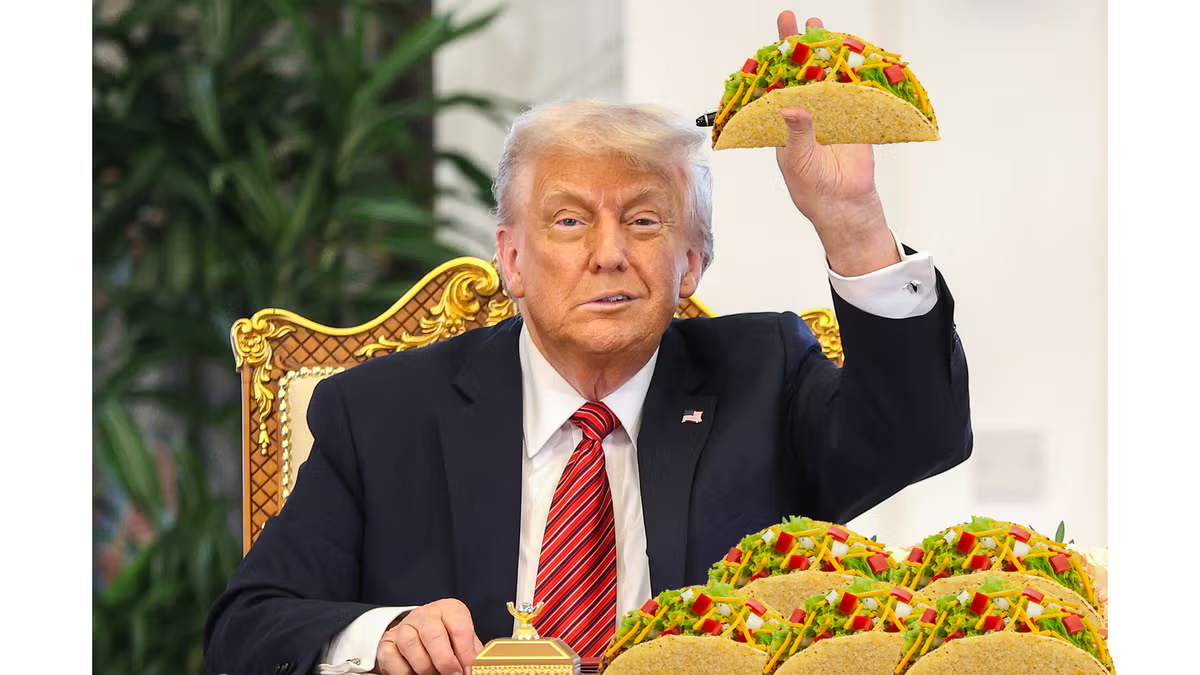
TACO Trade is a trading strategy based on changes in Trump’s tariff policies, standing for “Trump Always Chickens Out,” meaning “Trump always backs down at the last minute.”
The term was coined by *Financial Times* columnist Robert Armstrong. The core logic of TACO Trade is that whenever Trump’s shocking tariff threats cause a market plunge, it’s the perfect time to buy the dip—because Trump often retracts the most damaging measures at the eleventh hour, sparking a rebound.
For example, in May 2025, Trump threatened 50% tariffs on EU goods, sending U.S. stocks tumbling, but he later delayed them, leading to a sharp rally.
Tariff Shock 2.0
The immediate trigger for this market drop was Trump’s tariff threat.
On October 10 Eastern Time, the U.S. announced 100% tariffs on Chinese rare earth and related items in response to China’s export controls, plus export controls on all critical software.
Interactive Brokers’ chief strategist Steve Sosnick said, “This isn’t the news traders wanted to hear! We’ve gotten used to a calm, upward-trending market, so seeing stocks tank so fast is shocking.”
Baird’s investment strategist Ross Mayfield added, “Escalating U.S.-China tensions is a big deal—this caught the market off guard.”
Trump’s sudden policy threat spread panic selling, creating short-term liquidity stress.
Some Strategic Thoughts
Trump’s tariff threats are shaking global financial markets again, but it’s different from 1.0.
Marginal impact of tariff shocks diminishing and Compared to early April, this round’s reaction to U.S. tariff rhetoric may be slightly muted. After multiple Trump “tariff stick” hits, markets have built some immunity.
On one hand, back then, the market priced in sharp, rapid adjustments; on the other, trade risk boundaries are clearer now, and external shocks are just disturbances, not trend-enders.
Additionally, the November 1 implementation means it’s likely a bargaining chip, with the tariff timeline probably delayed further for negotiations.
The market’s position is much higher than six months ago, with rich profit-taking in tech and other sectors, and significantly more leveraged funds. The market has its own need for adjustment and structural shifts. Of course, shifting to consumption requires stronger policy signals.
Outlook
Historical data shows that of 13 U.S. bull markets since World War II, 7 lasted into year four, with an average cumulative gain of 88%.
This bull market bottomed on October 12, 2022, with cumulative gains of 83% so far and ~$28 trillion in market cap growth. By historical standards, U.S. stocks have more room to run.
This week, major Wall Street banks like JPMorgan, Goldman Sachs, Wells Fargo, and Citigroup will kick off Q3 earnings.
Per London Stock Exchange data, S&P 500 component companies are expected to grow Q3 profits 8.8% year-over-year, needing strong results to justify high valuations.