
The 18A Gamble: Can Intel Convince the World to Bet on Its Foundry?

$INTC has begun large-scale production at a $32 billion Arizona campus, wagering that its 18A process can restore its leadership in advanced chip manufacturing.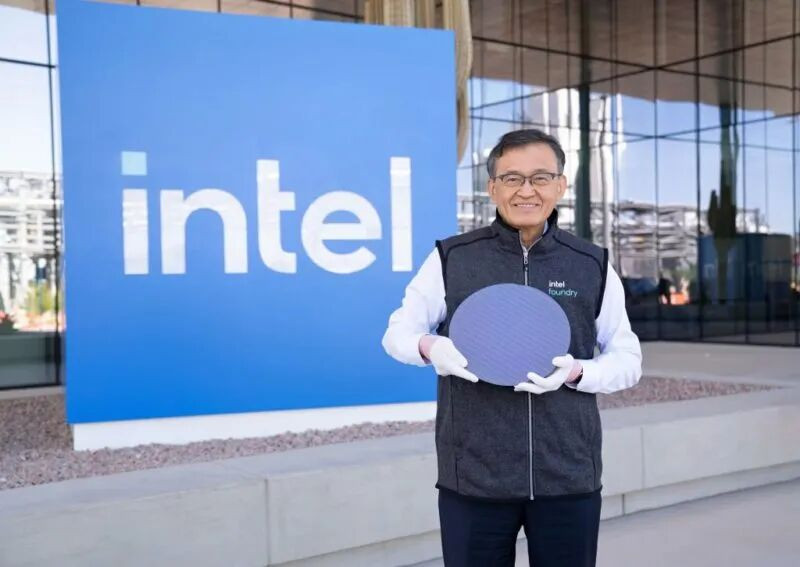
The decisive test will come from customers — $AAPL , $NVDA and $QCOM — whose engineering sign-offs over the next six to eight months will determine whether this investment is a landmark rebound or a costly misstep.
Key Points
- $INTC invested $32 billion in an Arizona fab complex; Fab 52 is operational, Fab 62 remains under construction.
- Company calls 18A “the most advanced production technology on Earth.”
- $AAPL , $NVDA and $QCOM will test 18A chips in the next six–eight months; their results will be decisive.
- $INTC ’s foundry arm runs annual losses above $10 billion and carries about $20 billion net debt.
- S. converted a planned subsidy into a 10% equity stake; $NVDA and SoftBank also invested, lifting the stock.
- Intel reports earlier yield issues addressed and readies Panther Lake (PC) and Clearwater Forest (server) chips.
What Intel built — and why it matters?
Intel’s Arizona campus represents an industrial-scale push to regain advanced-node credibility. Fab 52 is online with ASML extreme-ultraviolet tools in place; concrete volumes reportedly exceeded those used for the Burj Khalifa.
The outlay is enormous — described as greater than half of Intel’s 2024 revenue — making execution imperative for the company’s near-term financial health.
If 18A delivers competitive performance and manufacturability, Intel could re-enter the top tier of foundry providers. If not, the campus risks becoming a high-cost asset with limited strategic return, forcing painful decisions about the company’s future roadmap.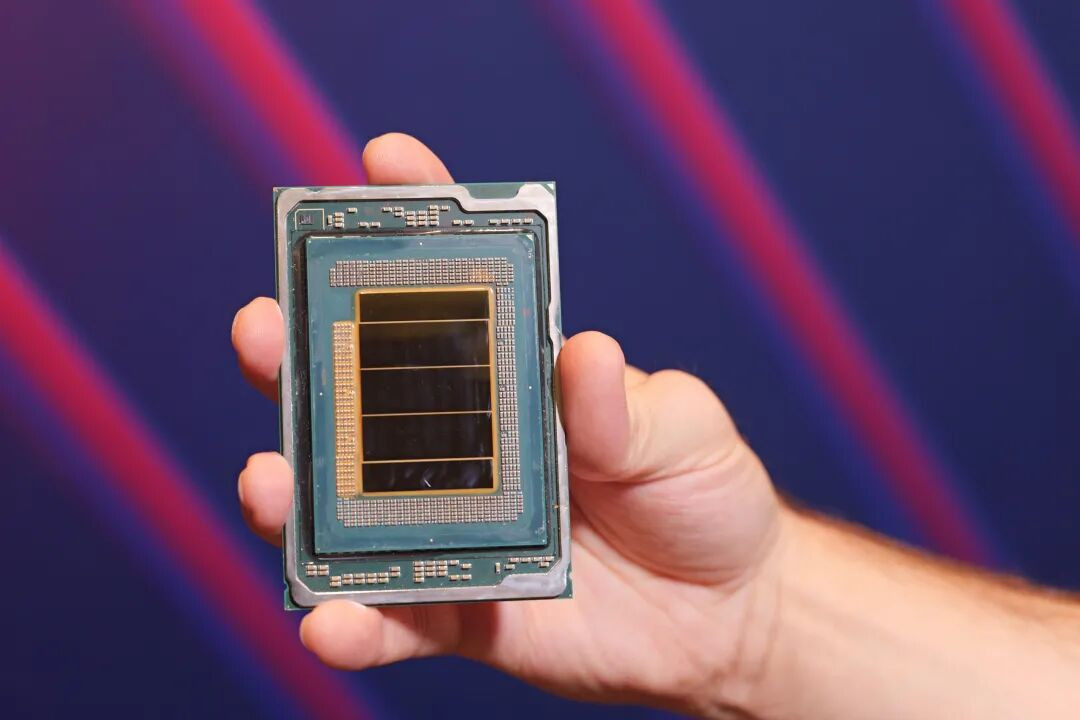
How customers will decide — and why six to eight months are critical?
Apple, NVIDIA and Qualcomm are slated to validate 18A designs and yields in the coming six to eight months. These firms do more than buy chips: their product roadmaps, validation cycles and supply-chain choices set industry standards.
Their engineering sign-offs — not press statements — will determine whether customers shift high-value designs to Intel or remain with established suppliers.
Customer adoption requires more than raw performance. Design-tool readiness, sustained yields, and long-term capacity predictability all factor into a decision to move critical workloads. The next half-year is the practical window for those technical and qualification hurdles to be proven or disproven.
The economics and political backdrop
Intel’s foundry arm has been loss-making, with annual deficits above $10 billion and roughly $20 billion in net debt.
That financial profile explains the U.S. government’s intervention: a planned subsidy converted into a 10% equity stake, framing the investment as both industrial policy and strategic support.
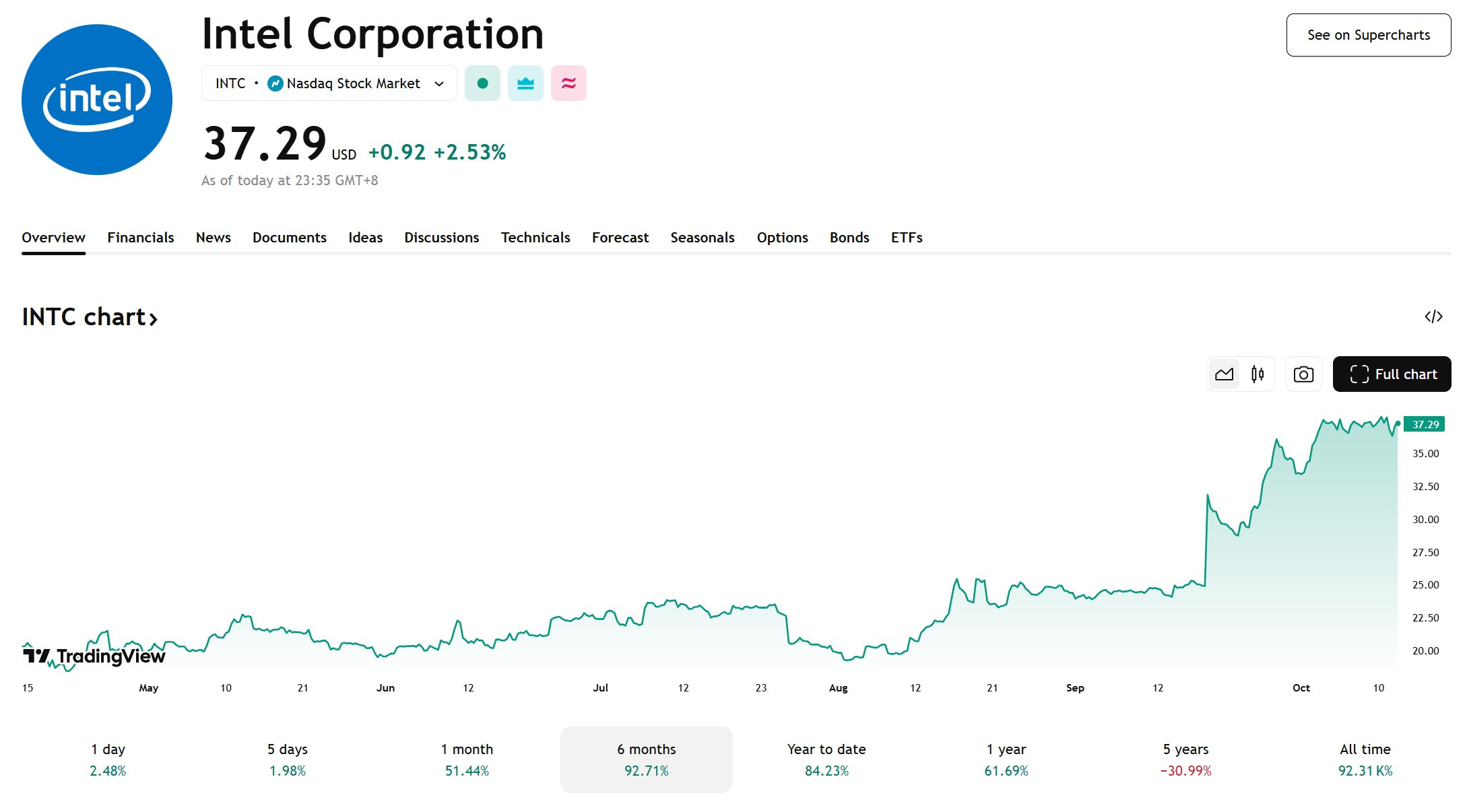
Private capital followed: NVIDIA and SoftBank announced investments after the government move, spurring a substantial stock rally.
But analyst caution remains; firms such as Morgan Stanley warn about assigning high value to a persistently loss-making foundry business without sustained customer wins.
Technical progress, product roadmap and credibility
Intel reports that early yield shortcomings have been addressed and is preparing two key product families: Panther Lake for PCs and Clearwater Forest for servers. These chips will be real-world performance showcases — and critical inputs to customers’ evaluations.
Demonstrating stable yields at advanced geometries is historically challenging. Even with strong lab metrics, customers demand repeated process stability across production ramps. Intel must show that 18A sustains yields not just for one product but across multiple cycles.
Market reaction — optimism tempered by conditions
The U.S. stake and follow-on private investment materially boosted market sentiment; Intel’s shares surged in the weeks following the announcements.
Yet analysts emphasize that a lasting re-rating requires concrete customer commitments and transparent yield data. Investor enthusiasm is conditional on engineering sign-offs and future order flow.
Risks and what failure would mean?
If Apple, NVIDIA and Qualcomm decline to migrate substantial workloads to 18A, Intel faces a stark choice. The company has warned it may abandon its 14A roadmap if it cannot secure sufficient 18A preorders.
That outcome would crystallize heavy capital expenditures into sunk cost and erode strategic optionality for future nodes.
Beyond corporate consequences, failed adoption would complicate the political narrative that argued for domestic advanced manufacturing as a strategic priority, raising questions about public capital’s role in industrial bets.
What to watch, week by week?
Look for engineering validation signals, early yield disclosures, and customer engineering statements in the coming months.
Key indicators: independent performance benchmarks for Panther Lake and Clearwater Forest, Intel yield trends, and any public confirmations from Apple, NVIDIA or Qualcomm about pilot volumes or qualification timelines.
Bottom line: a national and corporate turning point
Intel’s Arizona build-out is both a corporate gamble and a national industrial wager. If 18A convinces major customers and sustains yields, the foundry could alter the competitive map in advanced-node manufacturing.
If it fails, Intel risks billions lost and a curtailed roadmap. The next six to eight months will reveal whether this is a bold comeback or an overreach — and the chips’ performance will be the final arbiter.