
China Tightens Rare Earth Exports and US Signals Its Next Move

China recently announced tighter controls on rare-earth metal exports, and the news has sent ripples through global markets. Often called the “blood of modern technology,” rare-earth elements are critical for semiconductors, electric vehicle motors, wind turbines, and everyday electronics like smartphones. China dominates global supply, so any restrictions raise the risk of disruption across entire tech supply chains.
The United States quickly responded. Treasury Secretary Scott Bessent provided the latest perspective, while U.S. Trade Representative Jamieson Greer emphasized the global economic risk of China’s move. Together, their statements reveal a U.S. approach that balances firmness with diplomacy—pressuring China without escalating to outright confrontation.
Bessent’s Statement Offers Insight Into the US Position
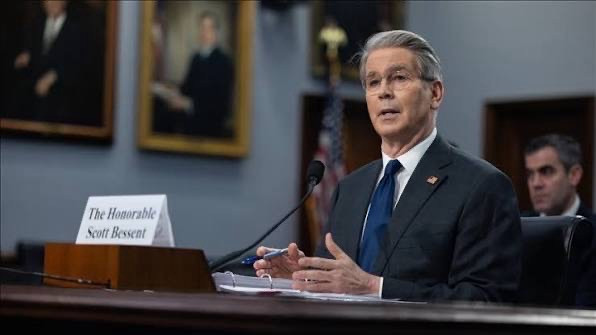
Bessent called China’s move “highly provocative,” but stressed that Washington does not want to overreact. He expressed optimism that tensions could be de-escalated through communication, noting recent high-level discussions and anticipating further talks in the coming days.
This is significant on several levels:
1. Maintaining Political Standing
Bessent faces pressure to show leadership on trade and supply chain security. By issuing a strong yet measured statement, he demonstrates authority while leaving room for diplomatic solutions—protecting both U.S. policy credibility and his political position.
2. Providing Market Reassurance
The wording signals to investors that the U.S. is alert but not panicking, helping to temper immediate market reactions while maintaining leverage over China’s export controls.
Meanwhile, Greer framed the move as a global supply chain power play, calling it economic coercion that affects every country. President Trump has threatened 100% tariffs in response to these controls, reinforcing that the U.S. retains multiple tools to influence China. In short, the strategy combines diplomatic engagement with economic leverage, aiming to safeguard supply chains without triggering full-scale trade escalation.
What Investors Should Watch
1. Technology Sector Faces Short-Term Pressure
Rare-earth metals are essential for chips, electric vehicles, and renewable energy equipment. Tightened supply could drive up costs and squeeze profits for companies reliant on these materials. Investors should evaluate how diversified a company’s supply chain is and whether it has plans to mitigate raw material risk.
2. Opportunities in Rare Earths and Alternatives
Companies outside China, including U.S. and Australian rare-earth miners, as well as firms developing substitute materials, could benefit. These firms are worth watching as potential beneficiaries of any supply chain rebalancing.
3. Policy Uncertainty Remains High
Ongoing negotiations, upcoming meetings such as the Asia-Pacific Economic Cooperation summit, and the possibility of tariffs or other U.S. measures will directly affect markets. Investors must track policy developments as closely as corporate earnings.
My Take
This is more than a supply chain story—it is a geopolitical chess game. The U.S. needs to show strength while avoiding escalation, and Bessent’s statements reflect that strategy. For investors, this means short-term volatility is likely, but long-term opportunities remain:
• Companies with resilient, diversified supply chains stand to gain.
• Firms reducing reliance on any single country are better positioned for stability.
• Rare-earth mining and alternative material companies could see growing demand and higher valuations.
Ultimately, rare-earths remind us that global industries are interconnected. Policy moves can shift market dynamics as much as corporate earnings. Savvy investors should read each policy signal carefully, understanding not just what is announced, but why it is announced and how it may affect the flow of technology and capital.