
Wall Street’s Gold Wake-Up: Could $10,000 an Ounce Be Realistic?

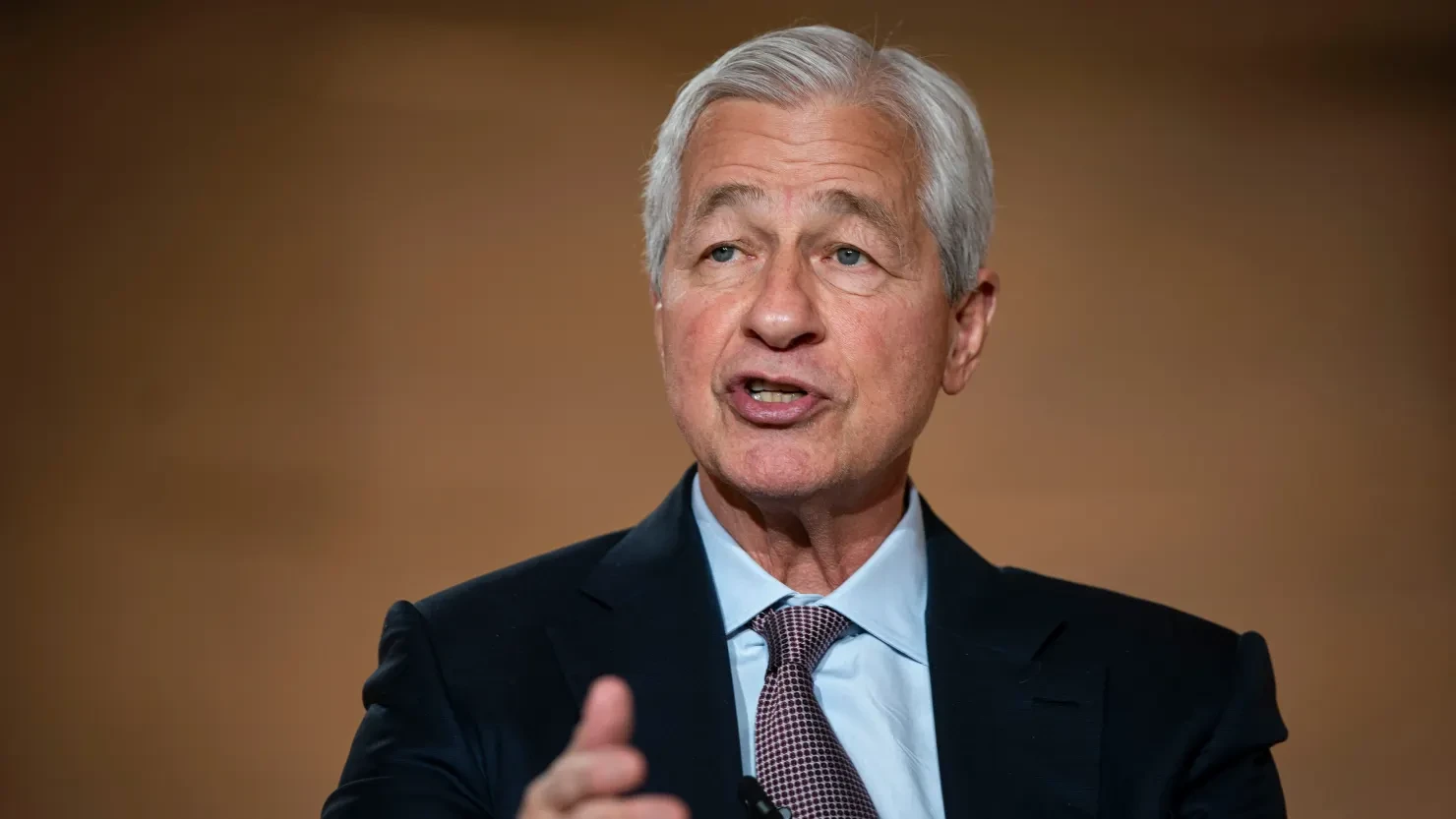
Major Wall Street voices are treating gold as a legitimate portfolio hedge. JPMorgan CEO Jamie Dimon said holding some gold “makes sense” and suggested prices could “easily” reach $5,000—or even $10,000—an ounce in the current environment. He personally won’t buy, citing a roughly 4% holding cost, mainly for large physical holdings.
Quick summary
Gold recently hit about $4,200 an ounce and is up roughly 60% year-to-date. Central bank purchases, inflation concerns and geopolitical risk have driven demand higher.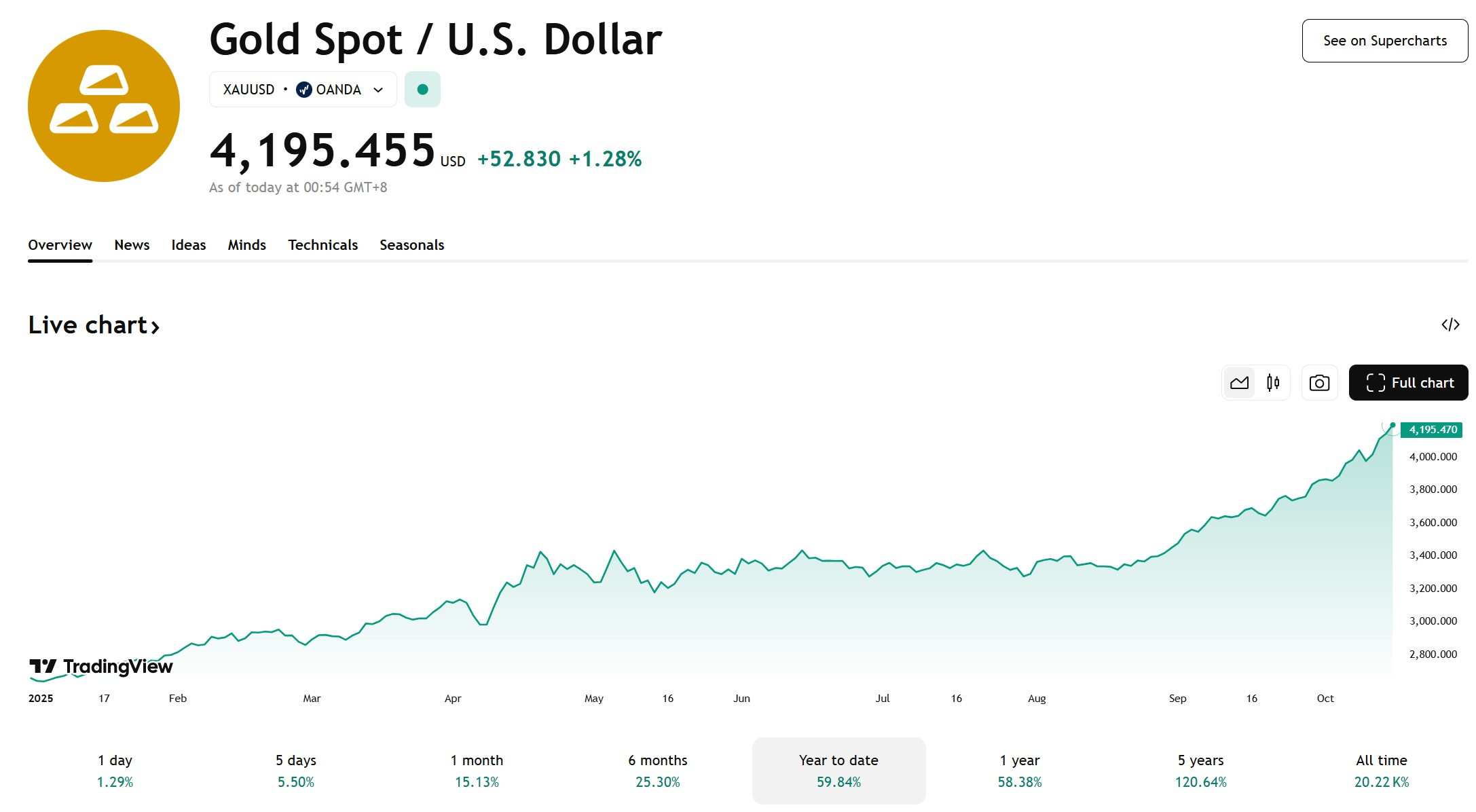
Professional allocators remain lightly positioned: Bank of America’s fund-manager survey shows roughly 2.4% average allocation to gold. Societe Generale warns the dollar could fall further once tariff and shutdown uncertainties clear.
Key Points
- Jamie Dimon: holding some gold “makes sense”; he sees a path to $5,000–$10,000/oz but will not buy due to a cited 4% holding cost.
- The 4% figure mainly applies to ultrawealthy holders storing large bullion quantities; retail holding costs are near zero.
- Gold is near record highs (~$4,200/oz), about +60% YTD.
- Ken Griffin: investors increasingly view gold as safer than the dollar.
- Institutional gold allocation remains shallow (~2.4%).
- Societe Generale: a weaker dollar—if growth expectations deteriorate and Fed cuts are priced in—would likely lift gold further.
Market context: why prices are surging and the dollar’s role?
Central-bank buying and safe-haven demand have been primary drivers of the rally.
Investors worried about inflation and fiat-currency stability are reallocating toward gold as insurance against macro and geopolitical shocks.
At the same time, the dollar’s path matters. Societe Generale argues the dollar could resume a sustained decline once tariff uncertainty and the U.S. government shutdown clear.
A weakening dollar tends to raise dollar-priced commodities; that dynamic would amplify gold’s gains if it materializes.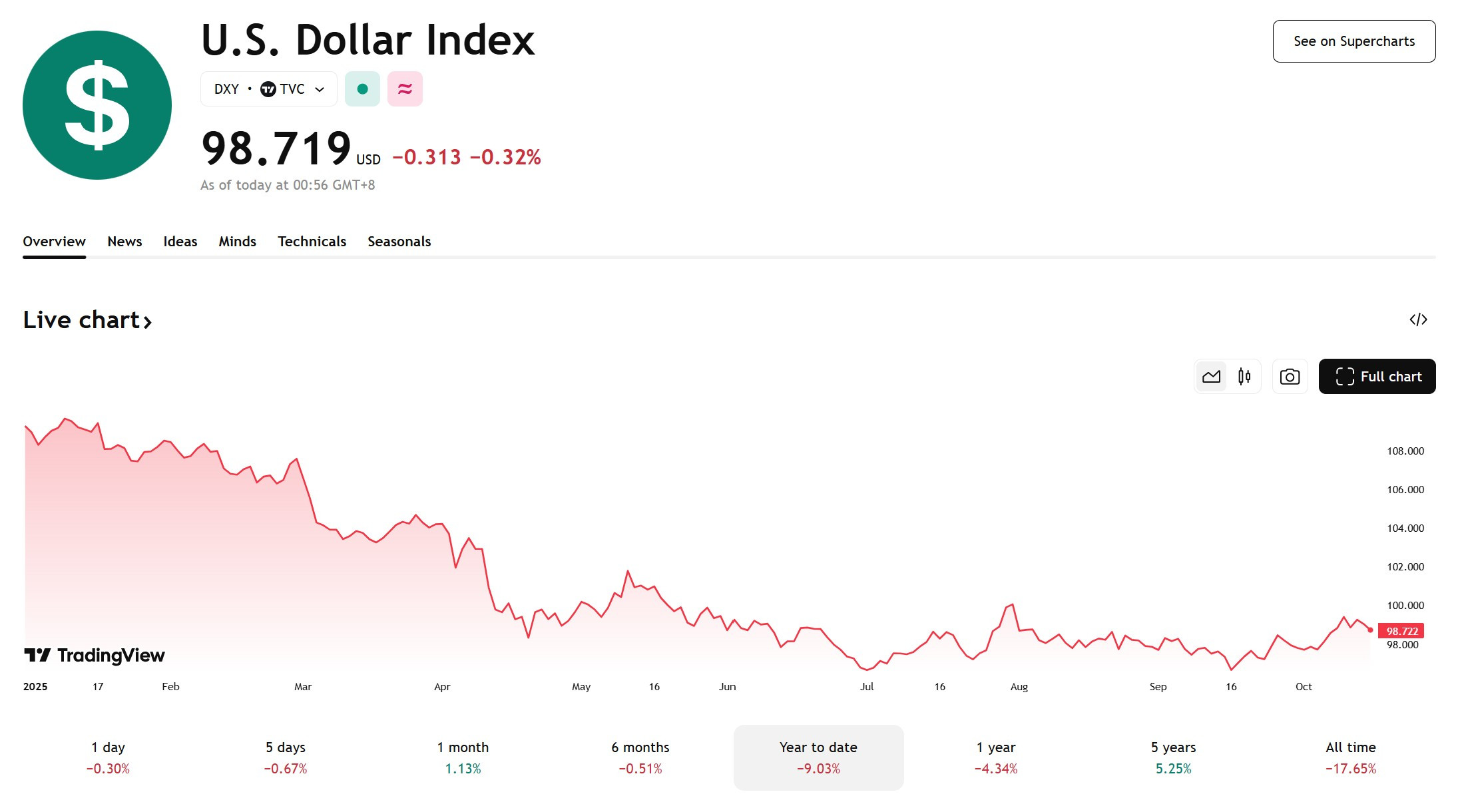
That interplay creates a feedback loop: higher gold prices can further encourage investors to treat the metal as a hedge, increasing demand.
But momentum depends on policy signals and hard economic data that shift expectations about growth and Fed policy.
Big names weigh in — what their comments actually mean?
Dimon’s statement is notable for tone, not a buy endorsement.
He calls some gold exposure “reasonable” but refuses to buy because of holding costs tied to large physical bullion storage.
He also clarified the roughly 4% cost applies to billionaire-level bullion storage; small retail holders face negligible storage burdens.
So Dimon’s practical objection does not negate his recognition of gold’s strategic case.
Ken Griffin echoed the sentiment from another corner of finance, saying investors increasingly view gold as safer than the dollar.
Their combined commentary signals a rare, cross-sector recalibration among influential market figures.
What this means for allocations and market structure?
Despite strong returns, Wall Street allocations remain low — a shallow base that could create more upside if sentiment shifts faster than portfolio rebalances.
Low existing allocation means institutional buyers could still add positions without needing extreme price moves to justify it.
But high prices carry trade-offs: while gold serves as insurance, buying at record levels increases the risk of a mean reversion if the macro picture improves.
Investors must weigh insurance needs against valuation and timing considerations.
Practical guidance for investors now
Treat gold as a hedging allocation, not a speculative bet.
A modest, phased exposure can provide insurance against currency and geopolitical risks without overcommitting to a single scenario.
Choose vehicle carefully: physical bullion has storage and insurance costs; ETFs and futures offer easier, lower-friction exposure but bring different risk profiles.
Dimon’s 4% remark mainly targets the practical cost of large physical holdings, not paper or retail-facing products.
Closely monitor the dollar and policy cues.
Persistent Fed easing expectations or weakening U.S. growth would strengthen the case for additional gold upside; a surprise improvement in growth or dollar strength could exert downward pressure on momentum.
Final thought
That senior Wall Street leaders are publicly re-evaluating gold marks a shift in narrative more than an immediate allocation tsunami.
With gold at record highs and institutional allocations still low, the market sits at a junction: ongoing macro stress could push prices higher, but outcomes will hinge on the dollar, Fed signals and real economic data.