
Britain’s Bitcoin Bet: Could Farage Turn Seized Coins into a £5 Billion Reserve?

Nigel Farage has pitched a striking crypto plan: a flat 10% capital-gains tax on crypto, the option to pay taxes in crypto, halting the Bank of England’s digital-pound project, and using seized coins to seed a £5 billion sovereign Bitcoin reserve.
It’s headline-grabbing — but legal, institutional and parliamentary hurdles make implementation unlikely in the near term.
Key Points
- Farage proposes a £5bn sovereign Bitcoin reserve from seized crypto, plus a 10% flat crypto CGT and other crypto-friendly measures.
- £5bn ≈ $6.64bn (GBP/USD 1.328); at $112k/BTC that implies ~59k–60k BTC, ~0.30% of circulating supply.
- The U.K. already has seized BTC (≈61,245 BTC reported from past cases).
- Legal rules and parliamentary process mean converting seized assets into a held reserve would require explicit new legislation.
Bottom line first: optics over near-term policy
Farage’s plan reframes the crypto debate in Britain, but it does not map easily onto the current policymaking process.
Turning seized crypto into a sovereign reserve would need primary legislation, Treasury and BoE buy-in, and changes to Proceeds of Crime rules — none are presently in place.
The proposal and the arithmetic
Farage wants a unified 10% crypto capital-gains tax, the ability to pay taxes in crypto, cancellation of the digital-pound project, and a £5bn Bitcoin reserve funded by seized coins.
At GBP/USD 1.328, £5bn equals about $6.64bn; at $112k per BTC that buys roughly 59k–60k coins, a small but visible share of circulating supply.
Legal, political and institutional barriers
Seized assets are normally liquidated under the Proceeds of Crime framework to compensate victims or satisfy orders.
Repurposing those coins into a reserve needs clear statutory authority, likely new language in the Finance Bill and cross-House approval.
With Reform holding only five Commons seats, parliamentary passage requires adoption by larger parties.
The Bank of England and Treasury remain exploratory on any digital-pound design; no final decision has been made.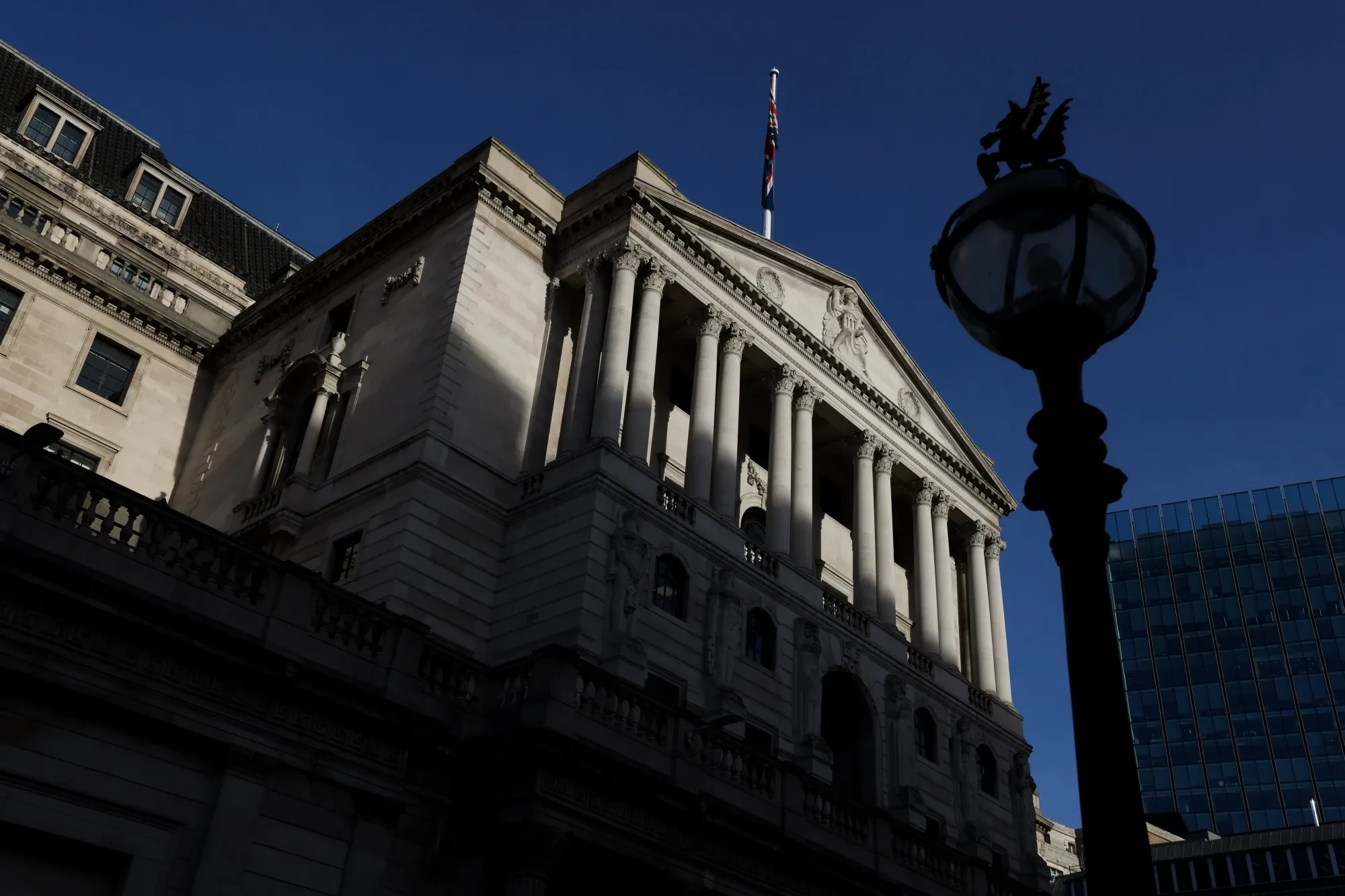
The FCA is focusing on stablecoin definitions and custody rules under CP25/14, and tokenised funds are being permitted — infrastructure upgrades likely matter more than campaign pledges.
Market mechanics and practical constraints?
If the U.K. removed or acquired ~60k BTC quickly, low-frequency supply effects could influence price discovery.
But execution is decisive: coordinated purchases, custody solutions, and legal certainty shape market outcomes.
Absent legal authority, retaining seized coins as a reserve risks litigation and reputational harm.
Operational questions matter: who governs the reserve, where coins are custodied, valuation rules, and sale triggers.
Large physical holdings require tight custody, insurance and transparent governance to avoid political and market risk.
Why institutional plumbing often beats rhetoric?
U.K. market impact today is driven more by custody frameworks, bank connectivity and tokenised fund rails than by unilateral sovereign pledges.
These plumbing upgrades lower friction for institutional flows and can expand sterling’s on-chain liquidity.
In practice, better custody and regulated tokenised products may create more durable market change than a partisan proposal.
What to watch next?
1.Treasury and BoE statements on the digital-pound timeline — any shift could alter the policy landscape.
2.FCA rulemaking outcomes on stablecoins and custody (including CP25/14) — these shape institutional access.
3.Party manifestos or explicit Finance Bill text adopting parts of the proposal — that would show a path to legality.
Closing: possible headline, improbable immediate policy
A sovereign Bitcoin reserve is a powerful political image: monetary symbolism, fintech leadership, and a populist narrative all wrapped together.
But legal constraints, statutory disposal rules for seized assets, and the formal parliamentary process mean the idea is more campaign theatre than imminent policy.
Investors and observers should track regulatory rulemaking and Finance Bill language — that’s where rhetoric either becomes law or quietly fades.