
When a Small Fraud Sparks a Big Panic in US Banking

Why Two Regional Banks Shook Wall Street
Last week, a seemingly small scandal in the U.S. banking world triggered an outsized reaction.
Two mid-sized regional lenders — Zions Bancorp and Western Alliance — disclosed loan fraud cases worth only tens of millions of dollars. Yet the news spread through Wall Street like wildfire, sending the S&P Regional Banks Index down 6.3%, its worst day in months.
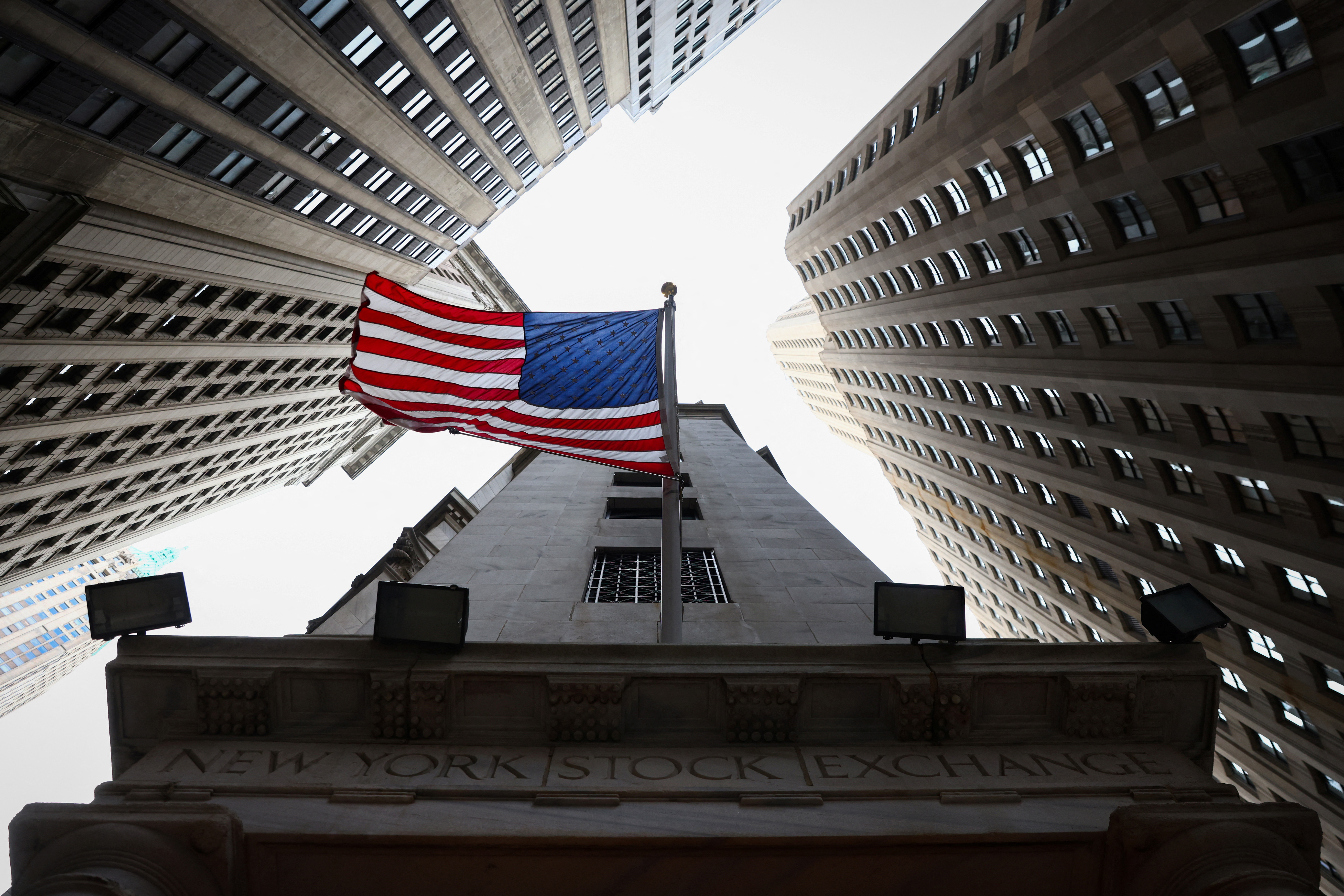
Zions’ stock tumbled 13%, Western Alliance fell 11%, and together, the panic wiped out more than $100 billion in market value across 74 major U.S. banks.
A minor fraud case had turned into a full-blown confidence crisis.
Why? Because the market wasn’t really reacting to the losses — it was reacting to fear.
How a Small Case Turned Into a Big Problem
It all started with two regional banks disclosing losses linked to distressed commercial real-estate funds.
According to filings, Zions and Western Alliance had lent money to funds managed by Andrew Stupin and Gerald Marcil to acquire troubled mortgage loans. But later, the collateral and notes tied to those loans were allegedly transferred elsewhere, leaving the banks exposed.
Zions said its subsidiary, California Bank & Trust, issued a $60 million loan and later booked a $50 million provision for potential losses.
The borrowers’ lawyer denied wrongdoing, calling the accusations “unfounded,” but the market had already made up its mind.
In banking, perception moves faster than facts. As JPMorgan CEO Jamie Dimon once said,
“When you see one cockroach in the kitchen, there are usually more.”
That mindset — sell first, ask questions later — quickly took hold.
The Fear Is Not About One Bank
The selloff wasn’t really about Zions or Western Alliance. It was about everything that came before.
Over the past few months, a series of credit cracks had started to appear in the U.S. market.
Subprime auto lender Tricolor Holdings filed for bankruptcy. Then First Brands Group, a major car parts supplier, collapsed with over $10 billion in debt.
Those stories reminded investors of a painful truth:
when credit markets look too good, that’s often when bad debts are quietly piling up.
As Wells Fargo banking analyst Mike Mayo put it,
“When times are good, bad loans are made. And today, caution has finally beaten optimism.”
So when another small credit issue popped up, fear spread instantly.
It didn’t matter that the actual numbers were small.
It mattered that the pattern felt familiar.
Even big banks were dragged down — Citigroup and Bank of America each fell more than 3%.
JPMorgan and Fifth Third Bancorp had already reported hundreds of millions in losses from the Tricolor collapse, while Jefferies was hit by the First Brands default.
The market was asking a bigger question:
Is this the start of something systemic — or just a few bad headlines in a jittery market?
The Ghost of 2023 Still Haunts the Market
The reaction also revealed how fragile investor psychology remains after the 2023 U.S. regional banking crisis.
Back then, Silicon Valley Bank (SVB) collapsed after depositors rushed to pull funds when rising interest rates hammered its bond portfolio. The panic spread quickly, taking down other regional lenders and shaking faith in the entire system.
Fast forward to now — no one wants to relive that.
Even though today’s fraud cases are small and isolated, the trauma from 2023 still shapes how investors think.
As Morgan Stanley analysts put it,
“Right now, market sentiment is weaker than bank balance sheets. The real risk lies in confidence, not capital.”
The Divide Between Big and Small Banks Grows Wider
This episode also highlights a deeper structural divide in American finance.
Large banks — with diversified global operations and multiple profit streams — can easily absorb small credit hits.
Regional banks, by contrast, live much closer to the edge. A single bad loan or liquidity scare can shake their foundation.
Wells Fargo’s Mike Mayo summed it up bluntly:
“Big banks have the diversification to absorb shocks. Small banks don’t.”
That’s why the upcoming earnings season for regional lenders will be crucial.
Investors will comb through credit provisions and loan books with a magnifying glass.
Any surprise could spark another wave of selling.
Not a Subprime Crisis, But the Fear Is Real
To be clear, this isn’t a repeat of the 2008 subprime meltdown, nor is it another SVB moment.
The financial system is far more resilient today.
But the market’s hypersensitivity tells its own story: trust is fragile, and fear spreads faster than facts.
Charles Schwab’s chief strategist Steve Sosnick said it best:
“This is not another SVB moment — but given how painful that episode was, it’s understandable investors are jumpy.”
The Real Lesson for Investors
The market’s overreaction to a small fraud case isn’t irrational — it’s emotional.
In an era of high interest rates and tight liquidity, every small shock feels bigger.
This story is less about bad loans and more about the psychology of risk.
It shows how quickly markets can turn when confidence thins — and how the smallest cracks can make investors see ghosts from crises past.
In today’s markets, data matters. But judgment matters more.
Because the real risk isn’t always the next blowup —
it’s what people believe might be coming next.