
Fed Prepares to Cut Rates But Inflation Remains a Risk

Investors are turning their attention to the Federal Reserve as the October meeting approaches.
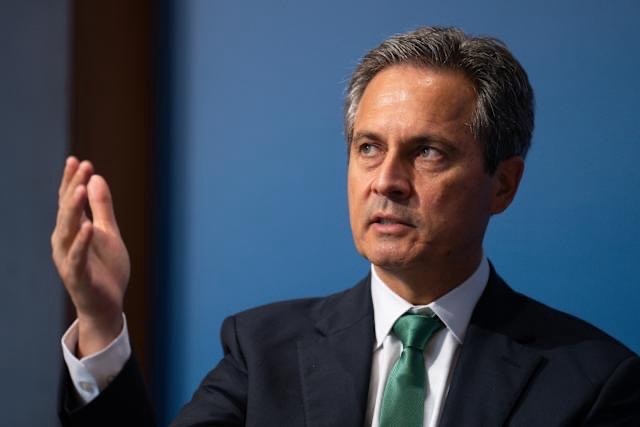
Last week, St. Louis Fed President Alberto Musalem signaled support for another rate cut, while cautioning that easing credit too quickly could backfire given ongoing inflation pressures.
Why the Fed is Considering Lowering Rates
At its core, the Fed has two main goals:
1. Support the labor market – keeping unemployment low and employment stable.
2. Bring inflation back to 2% – ensuring prices don’t rise too quickly and erode purchasing power.
Musalem explained that if the labor market shows signs of stress, and inflation remains under control, a further 0.25 percentage point rate cut could be justified. That aligns with market expectations for the October 28–29 Federal Open Market Committee (FOMC) meeting, where the target federal funds rate now sits at 4% to 4.25%.
Inflation is Still the Wild Card
Even as the Fed considers cutting rates, Musalem warned that inflation remains a real concern:
• Tariffs continue to push prices up. Musalem expects the effects of trade tariffs to ripple through the economy for the next two to three quarters, potentially easing only in the second half of 2026.
• Labor constraints and sticky prices in services add to persistent price pressures.
In other words, while a rate cut may support growth in the short term, the Fed must avoid making monetary policy too loose, or risk reigniting inflation.
The Labor Market Remains Strong But Shifting
Musalem emphasized that the U.S. labor market is broadly healthy, but subtle shifts are happening:
• Changes in immigration and workforce growth mean that fewer new jobs are needed each month to maintain stable unemployment – perhaps only 30,000 to 80,000.
• Monthly payroll reports could show temporary declines without signaling a spike in unemployment.
For investors, this indicates that the Fed has room to ease slightly, but any move must be measured.
What This Means for Investors
The Fed’s approach has clear implications:
1. Lower rates could boost equities in the short term – cheaper borrowing encourages business investment and consumer spending.
2. Inflation remains a key risk – while rate cuts can support markets now, rising prices could force future hikes, creating volatility.
3. Opportunities in bonds and yield-sensitive assets – falling rates may drive up bond prices and make high-quality, high-yield assets more attractive.
The takeaway is that investors shouldn’t see a rate cut as a guaranteed “windfall.” Understanding the reasoning behind policy moves is essential for strategic positioning.
A Balanced View
Musalem’s comments make one thing clear: the Fed is likely to cut rates at the end of October to support the labor market, but space for monetary easing is limited. Inflation remains the main factor guiding policy.
For investors, the lesson is simple: short-term market reactions to a rate cut may be positive, but long-term success depends on following the underlying economic trends and policy signals. Grasping the logic behind Fed moves is crucial for navigating today’s markets without being swayed by temporary swings.