
Trump Signals Calm as US China Trade Talks Reach a Critical Point

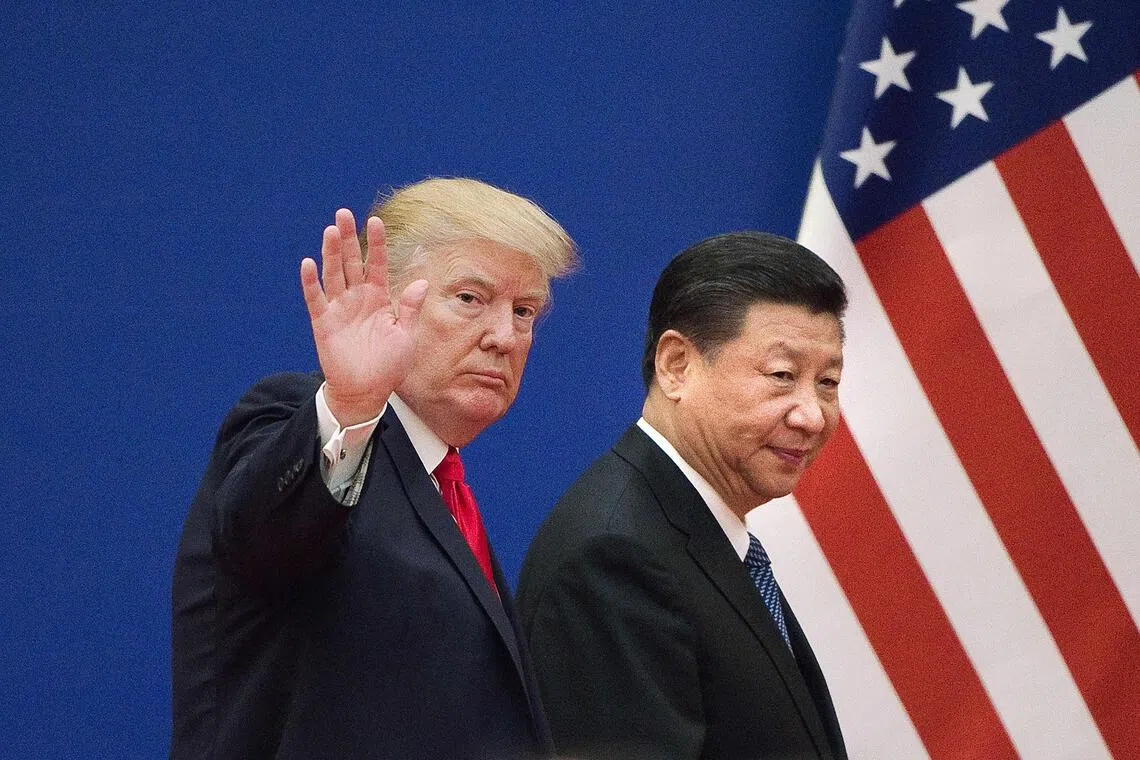
Recently, US President Donald Trump made remarks that put the spotlight back on the fragile US China trade relationship. He said the United States will “be fine” with China as both sides prepare to return to the negotiating table, but stressed that any agreement must be fair.
At a high level, this highlights the market’s cautious optimism. Investors hope for stability, but uncertainties remain.
The Logic Behind the Tariff Threats
In a Fox News interview, Trump addressed his earlier threat to impose a 100 percent tariff on Chinese goods. He described the levy as “not sustainable,” though theoretically feasible.
To put this into context for investors who may be new to trade policy:
-
What tariffs are Tariffs are taxes on imported goods. Higher tariffs make foreign products more expensive, protecting domestic industries or acting as negotiation leverage.
-
What a 100 percent tariff means If fully applied, the price of Chinese exports to the US could double, putting pressure on supply chains and company profits.
Despite the tough talk, Trump emphasized his good personal relationship with Chinese President Xi Jinping and expects a meeting during the Asia-Pacific Economic Cooperation (APEC) conference in South Korea later this month. This suggests that even amid strong rhetoric, there is still space for dialogue.
Negotiation Timelines and Market Sensitivities
US Treasury Secretary Scott Bessent has indicated that the US and China will hold talks later this week in Malaysia. These follow a virtual meeting on October 17 with Chinese Vice Premier He Lifeng, which Chinese state media described as “constructive.”
Recent market tension has been fueled by several factors:
-
Control over critical materials China plans stricter controls on rare earths and other materials vital for smartphones, military hardware, and car components.
-
Expansion of US tech restrictions The US widened sanctions to target subsidiaries of blacklisted companies and proposed tariffs on Chinese ships entering US ports.
-
Trade truce expiration The current trade pause is set to end on November 10 unless extended. If not, a new round of tariffs and tensions could hit markets quickly.
Think of it as a tightly stretched rope. Any move by either side can ripple across markets almost instantly.
China’s Response and Strategy
China has tried to ease fears about the export curbs, emphasizing that normal trade flows will not be affected. The underlying goal is to build a long-term mechanism to counter US actions, including expanded sanctions.
In other words, China is using export controls as a negotiating tool while trying to minimize disruption to global supply chains.
Key Takeaways
-
Short-term market swings are likely News about tariffs, rare earths, or bilateral talks will cause immediate reactions in US and Hong Kong markets, especially tech stocks.
-
Negotiation windows remain Personal rapport between leaders and multilateral forums like APEC provide opportunities for constructive engagement.
-
Long-term structural adjustments matter most The trade friction goes beyond tariffs to tech exports, supply chain security, and global industry realignment. Investors who focus on these trends are better positioned than those chasing every headline.
In short, the trade talks are less about immediate winners or losers and more about how markets navigate policy uncertainty. Those who understand the logic behind policies and anticipate supply chain shifts may benefit from volatility.
Investment Implications
-
Monitor sectors affected by rare earth policies This includes renewable energy, semiconductors, and defense.
-
Opportunities from technology export constraints Domestic substitutes or companies reshaping supply chains could see gains.
-
Hedging strategies can reduce risk ETFs and options allow investors to protect positions while maintaining long-term exposure.
Overall, market movements are driven by the interplay of policy, industrial strategy, and geopolitical considerations. Understanding these forces is far more valuable than trying to predict every market swing.