
Boeing Q3 Earnings Preview: A Recovery in Progress, But Challenges Remain

Shearing sheep
October 28, 2025
GoGPT Summarizes Articles
The Boeing Company ($BA) is set to report its third-quarter 2025 results before the U.S. market opens on October 29. As one of America’s key industrial and defense players, Boeing remains under close scrutiny—not only from investors but also from regulators and governments—amid a fragile recovery from years of operational and reputational challenges.
Revenue Recovery and Narrowing Losses
Analysts expect Boeing’s Q3 2025 revenue to reach $21.9 billion, representing a year-over-year increase of roughly 22.8 %. The growth mainly reflects higher aircraft deliveries, the gradual normalization of the supply chain, and steady expansion in Boeing’s services business.
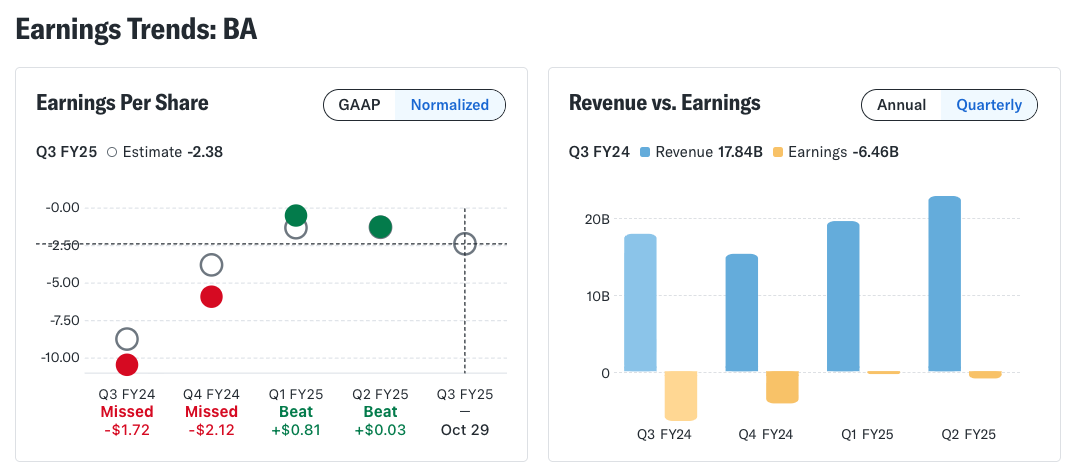
The company is still expected to report a net loss, but the key point is that it’s narrowing. Consensus estimates a loss of about $2.38 per share, this would mark a significant improvement compared to last year’s double-digit per-share loss. For long-time Boeing watchers, “less bad” is progress.
What’s Driving the Momentum
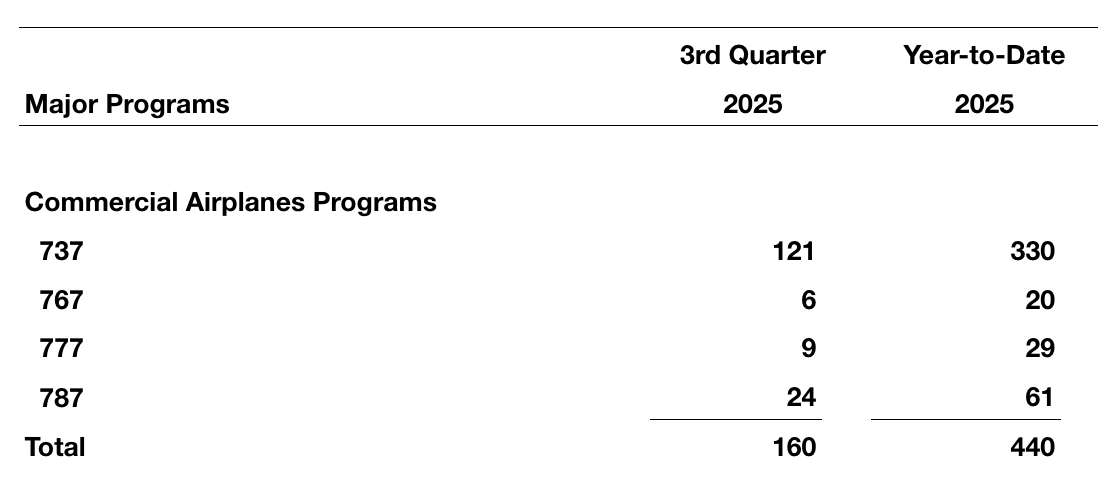
The commercial aircraft division is showing clear signs of recovery. In the third quarter of 2025, Boeing delivered a total of 160 commercial airplanes. Deliveries of the 737 MAX and 787 Dreamliner are picking up, with management pushing hard to ramp up production rates. That effort, however, comes with its own challenges — quality control, certification timelines, and supplier reliability remain watchpoints.
Source: Boeing
Boeing’s Global Services segment has also been a steady source of growth. With global air travel back to near pre-pandemic levels, demand for maintenance, spare parts, and upgrades has stayed strong. This part of the business, which tends to carry higher margins and steadier cash flow, may help offset volatility in aircraft manufacturing.
Meanwhile, Boeing’s backlog — still one of the largest in the industry — continues to provide visibility for future revenue. Even amid delays and cancellations, airlines around the world remain eager to secure delivery slots for the coming years, reflecting solid long-term demand for fuel-efficient aircraft.
Key Risks to Watch
Despite the improving tone, Boeing is not out of turbulence yet. The 737 MAX production line has faced recurring scrutiny over quality and manufacturing defects. Even minor issues can cause costly delays, as regulators remain cautious after past safety incidents.
Margins are also under pressure. Inflation in materials, labour, and logistics costs — combined with rework expenses and production inefficiencies — make profitability harder to achieve. Investors will pay close attention to operating margin trends and free cash flow figures, as these are critical markers of whether the turnaround is financially sustainable.
The company’s Defense, Space & Security segment, while less discussed, also matters. It has been hit by cost overruns on fixed-price contracts, and any additional write-downs here could overshadow gains in the commercial business.
What the Market Expects
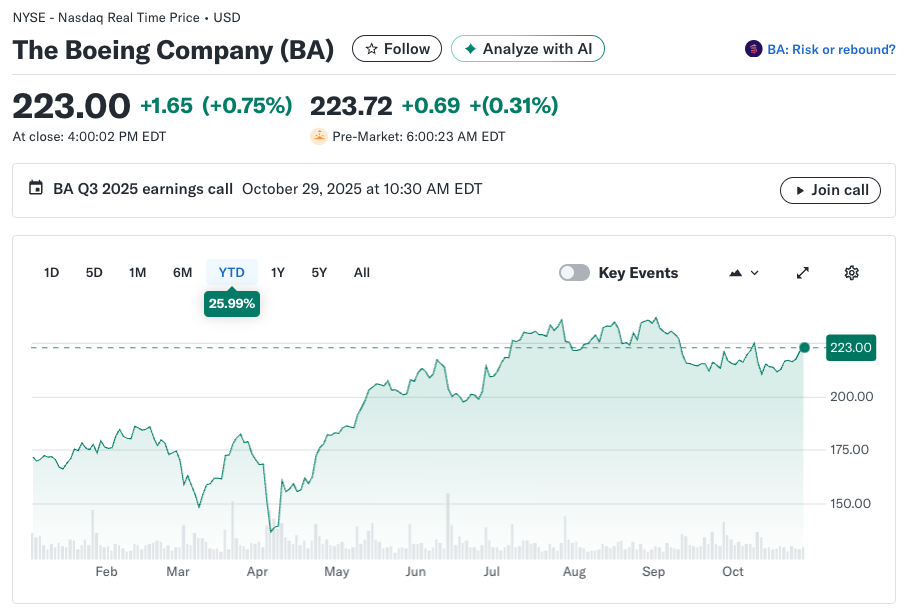
Market sentiment heading into the report is cautiously positive. Boeing’s stock has rebounded from its early-year lows, helped by optimism that the worst is behind it. Still, expectations are high — perhaps too high — and any hiccup could trigger a pullback.
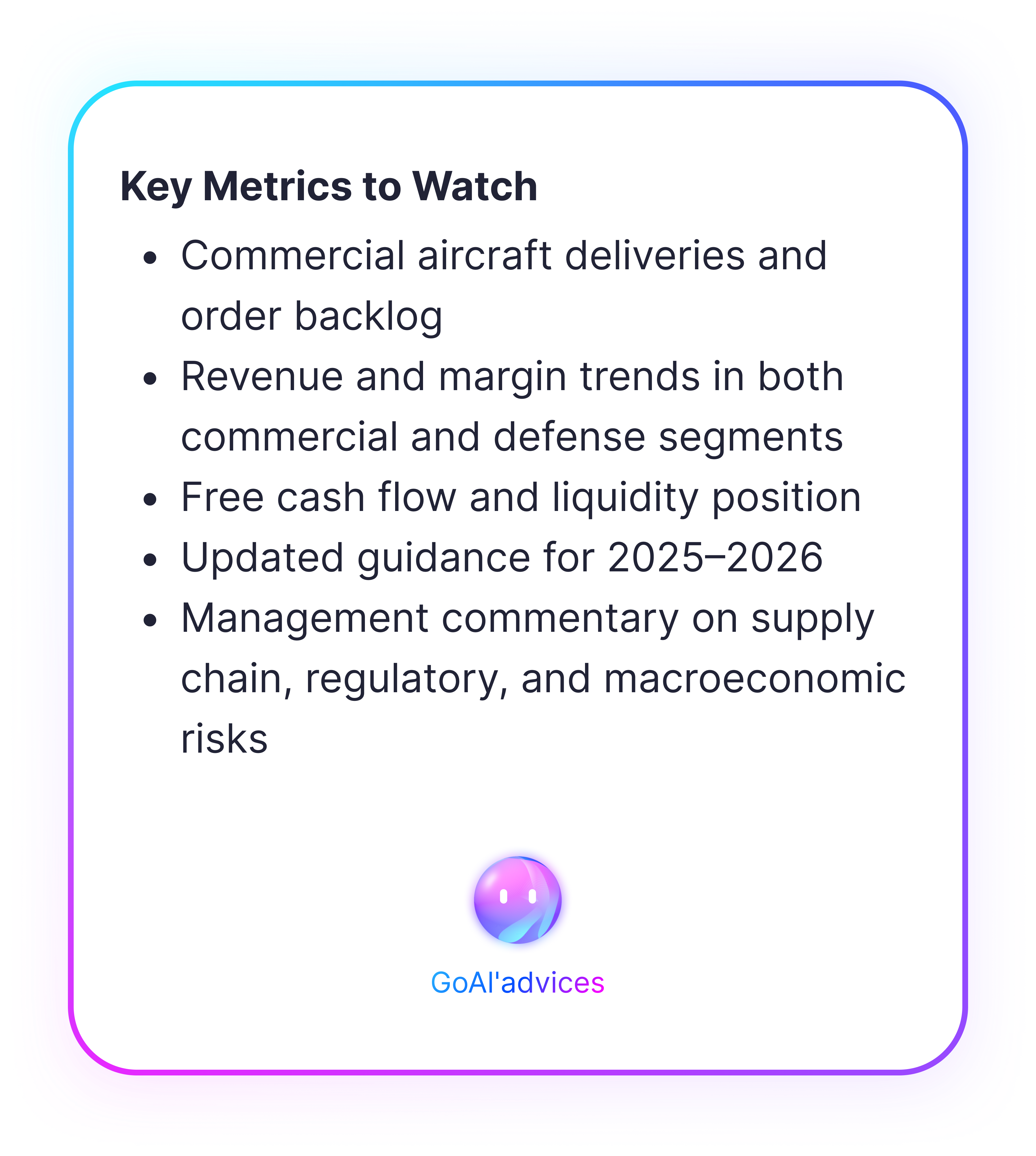
Investors will likely focus on:
-
Aircraft deliveries and production rates
-
Margins and cash flow improvement versus Q2.
-
Outlook for Q4 and 2026, including management commentary on supply chain normalization.
-
Updates on regulatory and safety issues, especially concerning the 737 MAX line.
The Broader Context
Boeing’s recovery is happening against a mixed global backdrop. Airline demand remains robust, driven by international travel and fleet modernization. However, rising input costs and labour shortages continue to challenge manufacturers.
The competition with Airbus also remains intense — Airbus has managed to deliver aircraft more consistently and maintain profitability. That puts additional pressure on Boeing to demonstrate operational reliability and financial discipline.
My Take
In my view, Q3 2025 won’t be a breakout quarter for Boeing, but it could mark another step toward stabilization. If the company can show steady progress on deliveries, narrower losses, and credible guidance for improved cash flow, the market might reward that consistency.
Still, this remains a “show me” story. Investors have been patient, but the window for merely promising improvement is closing. To sustain its recovery narrative, Boeing must prove it can execute — not just build aircraft, but build investor confidence again. Investors will likely react more to execution and guidance than the headline EPS.
Source: GoAI (👉 Full GoAI analysis)
#Q3 Earnings Season: Key Insights and Market Movers#$Boeing Company(BA)