
Oil Oversupply Fears Intensify – OPEC+ Confirms Pause on Production Hike for Q1 2026

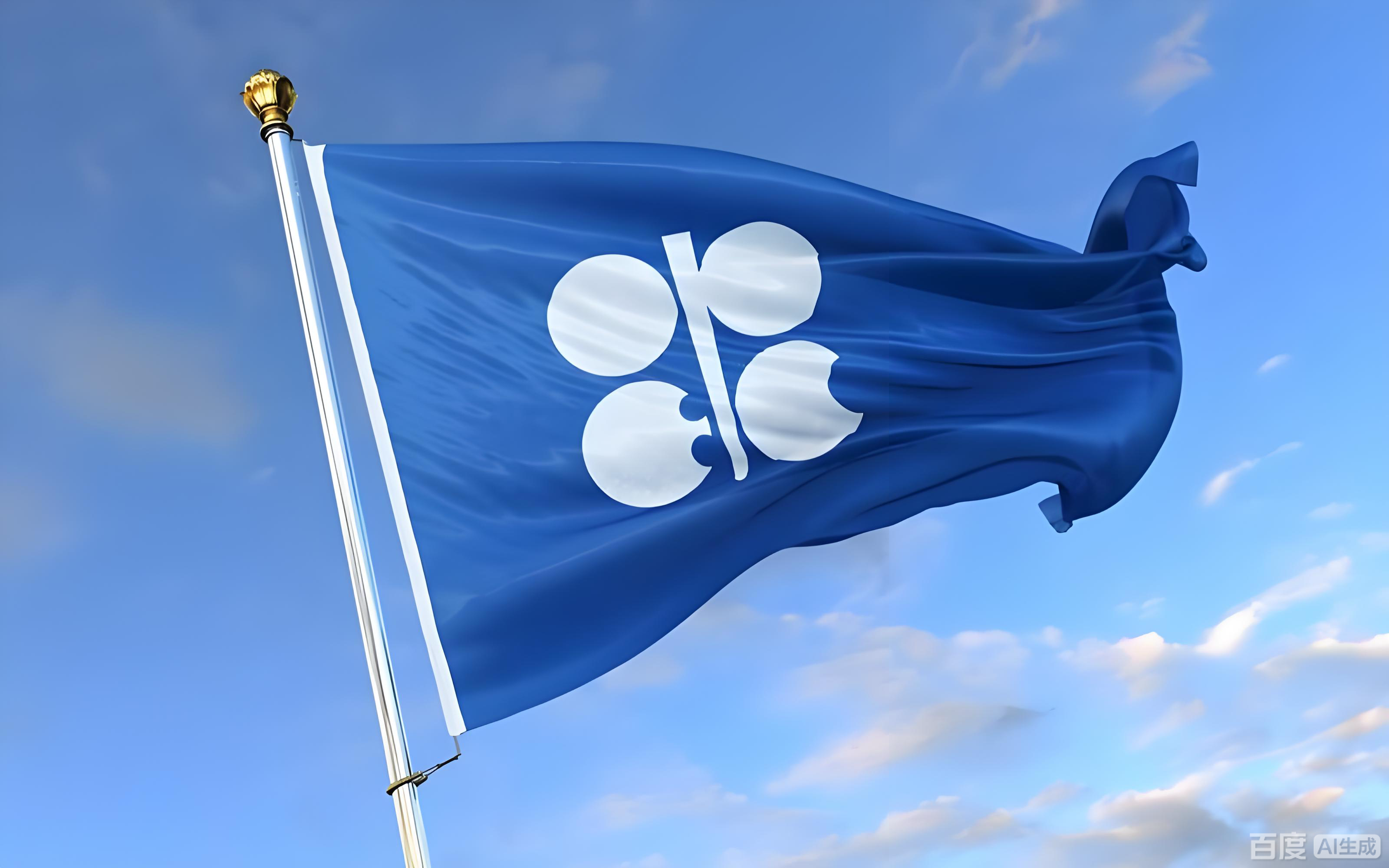
At its meeting on Sunday, OPEC+ confirmed it will keep oil output unchanged in the first quarter of 2026. Concerned about growing oversupply risks, the group has slowed its push to regain market share.
OPEC+ is the oil cooperation mechanism between the Organization of the Petroleum Exporting Countries (OPEC) and several non-OPEC producers led by Russia.
It aims to stabilize international oil prices through coordinated production policies and accounts for roughly half of global oil supply.
The meeting came as the United States is once again pushing for a peace deal between Russia and Ukraine. Any easing of sanctions on Russia could further boost global oil supply.
Jorge Leon, former OPEC official and current head of geopolitical analysis at Rystad Energy, said: “The message from the group is clear: in a rapidly deteriorating market outlook, stability takes priority over expansion ambitions.”
Influenced by the news, international oil prices rose as much as 1.5% in Asia on Monday. Oil prices had edged lower on Friday. In November, NYMEX WTI and Brent crude front-month contracts fell 3.98% and 2.87%, respectively – marking their fourth consecutive monthly decline and the longest losing streak since 2023.
Last month, major Wall Street institutions including JPMorgan and Goldman Sachs collectively lowered their oil price forecasts, citing severe global oversupply, compounded by potential release of Russian supply if Russia-Ukraine talks succeed, putting clear downward pressure on oil prices in the short and medium term.
Over 3 Million b/d of Cuts Still in Place
OPEC+ stated that eight member countries have added roughly 2.9 million b/d back to the market since April this year. The group had already paused planned output increases for Q1 next year, and Sunday’s meeting reaffirmed that decision.
OPEC+ currently has 3.24 million b/d of production cuts still in effect – equivalent to about 3% of global demand.
These cuts consist of two parts:
- A 2 million b/d cut implemented by most members, set to run through the end of 2026;
- An original 1.65 million b/d of voluntary cuts by eight countries, of which 1.24 million b/d remains in place. These eight countries began gradually returning some output starting in October.
Capacity Assessment Mechanism Finalized
OPEC+ also announced it has approved a mechanism to assess each member’s maximum production capacity, which will serve as the basis for setting production baselines starting in 2027 and determining individual quotas.
Sources revealed after the meeting that the capacity assessments will be conducted from January to September 2026 to set 2027 quotas in time.
One company will reportedly assess the capacity of 19 out of 22 OPEC+ members. For sanctioned countries, assessments will be handled separately by another firm or based on their average production from August to October 2026.
Among OPEC+ members, Russia, Iran, and Venezuela are currently under Western sanctions.
For years, OPEC+ has struggled to reach consensus on capacity and quota issues: some members like the UAE have expanded capacity and want higher quotas, while African members such as Nigeria have seen capacity decline but refuse quota cuts. In 2024, Angola left OPEC over disagreements with its production quota.