
U.S. Capital Taking Over Completely? Chevron Teams Up with Private Equity Firm to Hunt Lukoil's Overseas Assets

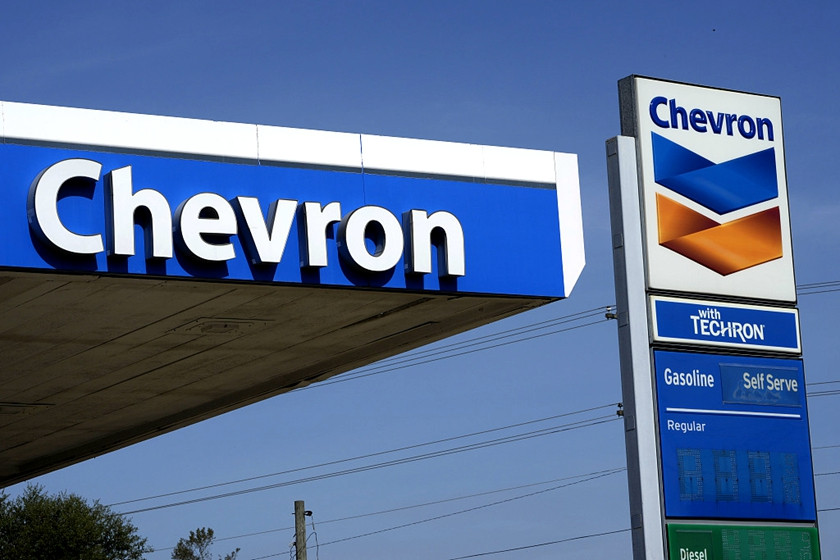
Latest reports show that U.S. energy giant Chevron and private equity firm Quantum Capital Group are teaming up to bid for Russian oil company Lukoil's overseas assets.
In October last year, to pressure a Russia-Ukraine ceasefire, the U.S. Treasury Department announced sanctions on Lukoil and Rosneft. The U.S. government also stated that certain transactions related to the sale of the two companies' overseas assets could continue after the sanctions take effect.
Lukoil's overseas asset portfolio includes oil and gas production operations, refining facilities, and over 2,000 gas stations across Europe and Asia. Lukoil values these assets at approximately $22 billion.
The bid is led by Quantum, with sources revealing that if the deal closes, Chevron and Quantum plan to divide the assets between them and commit to long-term holding and operation — a pledge likely to win support from the Trump administration.
Sources say Quantum has already discussed its bid plan with Trump administration officials and indicated it would ensure strategic significance for the U.S. energy sector. A senior U.S. government official also welcomed the Quantum-Chevron joint proposal.
A Chevron spokesperson responded: “The company has a diversified asset portfolio and will continue evaluating potential opportunities. Per company policy, we do not comment on third-party statements or commercial matters.”
The U.S. Treasury has authorized an exemption for Lukoil's overseas asset sale negotiations until January 17, but proceeds must be deposited into a third-party escrow account inaccessible to Lukoil during the sanctions period.
Additionally, any deal requires U.S. regulatory approval — effectively giving Trump veto power.
Notably, Chevron and Quantum are not the first bidders. Previously, U.S. private equity giant Carlyle Group and Abu Dhabi’s International Holding Company (IHC) also submitted acquisition proposals.
Lukoil had previously agreed to sell its overseas assets to Swiss oil trader Gunvor, but the U.S. government blocked the deal, with the Treasury Department calling Gunvor a “Kremlin puppet” on social media.