
Metal Bull Market Could Ground to a Halt: Gold, Silver, and Copper Flagged for Correction

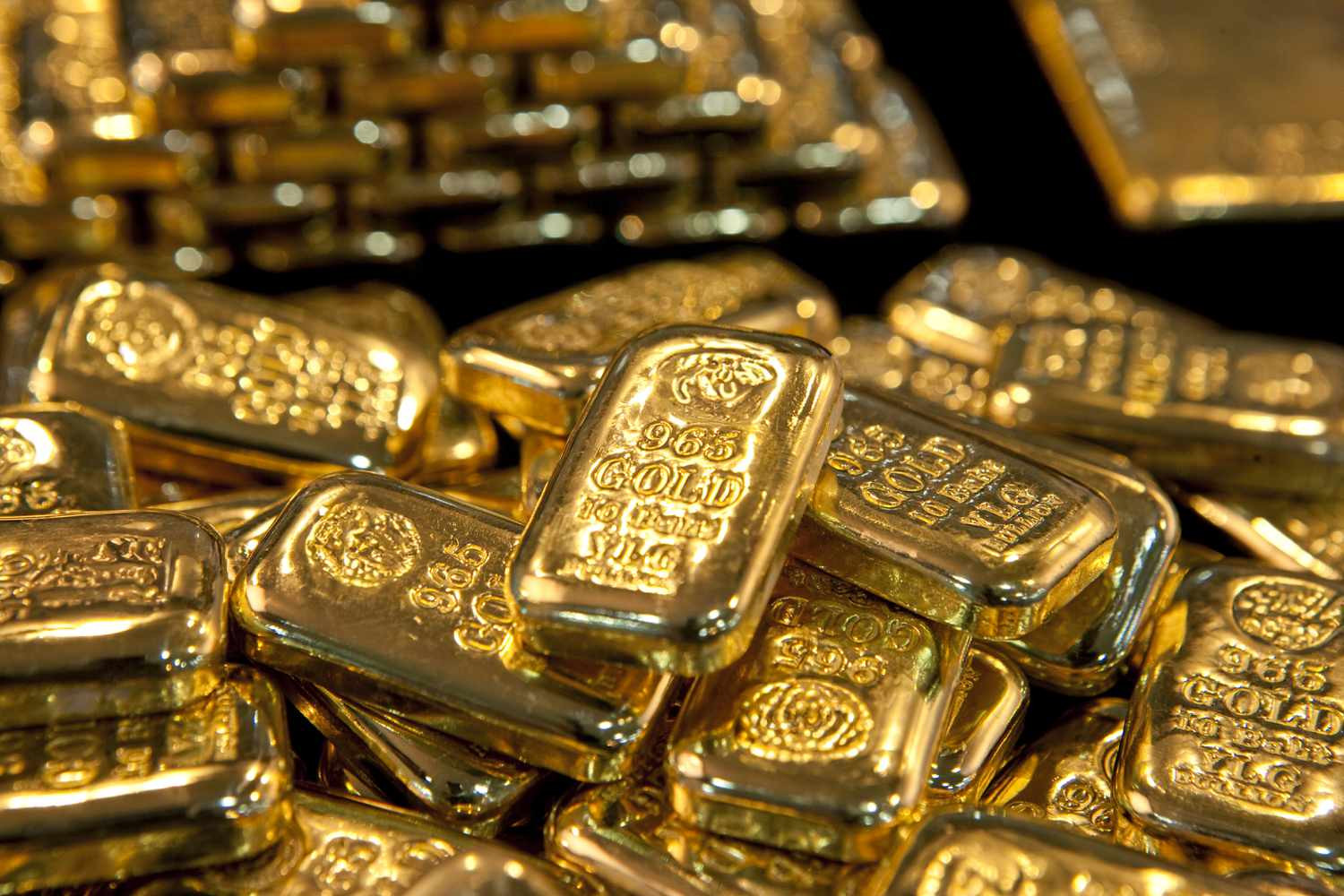
The "metal bull market" may face a sudden end this year. Following a period of frantic gains in 2025, forecasters suggest that the surging investor appetite for gold, silver, and copper is about to wane, potentially triggering a sharp correction from current near-record highs.
In 2025, gold—the premier hedge against economic uncertainty and inflation—gained 64% annually, marking its best year since 1979. Silver saw an even more explosive rally, soaring 150%, also its strongest performance since 1979. Meanwhile, New York copper climbed over 40%, recording its best year since the Global Financial Crisis.
A Reversal of Fortune
In a recent report, researchers at Capital Economics stated that the demand driven by "Fear of Missing Out" (FOMO) is likely to dissipate in 2026, which could lead prices to fall "just as quickly as they rose."
The firm provided specific outlooks for key metals:
- Copper: Currently trading around $13,200 per tonne, copper is expected to retreat to approximately $10,500 by year-end, representing a 20% decline.
- Gold: Capital Economics projects gold will drop to around $3,500 per ounce by the end of 2026, a nearly 21% downside from current levels.
David Oxley, Chief Climate and Commodities Economist at Capital Economics, noted that while the surge in late 2025 was dramatic, "retail investor enthusiasm" likely fueled much of the volatility.
Oxley acknowledged that supply-demand imbalances—driven by the expansion of data centers and Artificial Intelligence (AI) infrastructure—contributed to the deficits in silver and copper. However, he noted that "high prices incentivize more recycling and increase overall supply."
While S&P Global reported on Thursday that AI and defense sectors could drive global copper demand up by 50% by 2040 (with a potential 10-million-tonne annual deficit without increased mining), Oxley argued that demand for certain metals like silver has recently become "inelastic" to price changes—a classic sign that a mean reversion is imminent.
"Looking ahead, the old adage that 'high prices are the cure for high prices' will eventually take hold. Contrary to the growing optimism among analysts, we maintain that gold and other metal prices will end the year lower than where they are today," Oxley added.
Overbought Signals
Technical indicators are already flashing warning signs. According to Société Générale’s analysis of the Relative Strength Index (RSI), gold appears to have reached its most extreme overbought level on record.
Similarly, the Wells Fargo Investment Institute noted in December that silver was looking "overheated," citing its RSI readings. Joe Mazzola, Director of Trading and Derivatives Strategy at Charles Schwab, attributed part of the recent strength in precious metals to "speculative buying."
Furthermore, Michael Hsueh, an analyst at Deutsche Bank, suggested that gold and silver could face downward pressure in January due to the annual rebalancing of the Bloomberg Commodity Index. Forecasters emphasize that if these projected declines materialize, it would mark a historic reversal of one of the most significant rallies in market history.