
What Will Trump Say in His State of the Union Address?

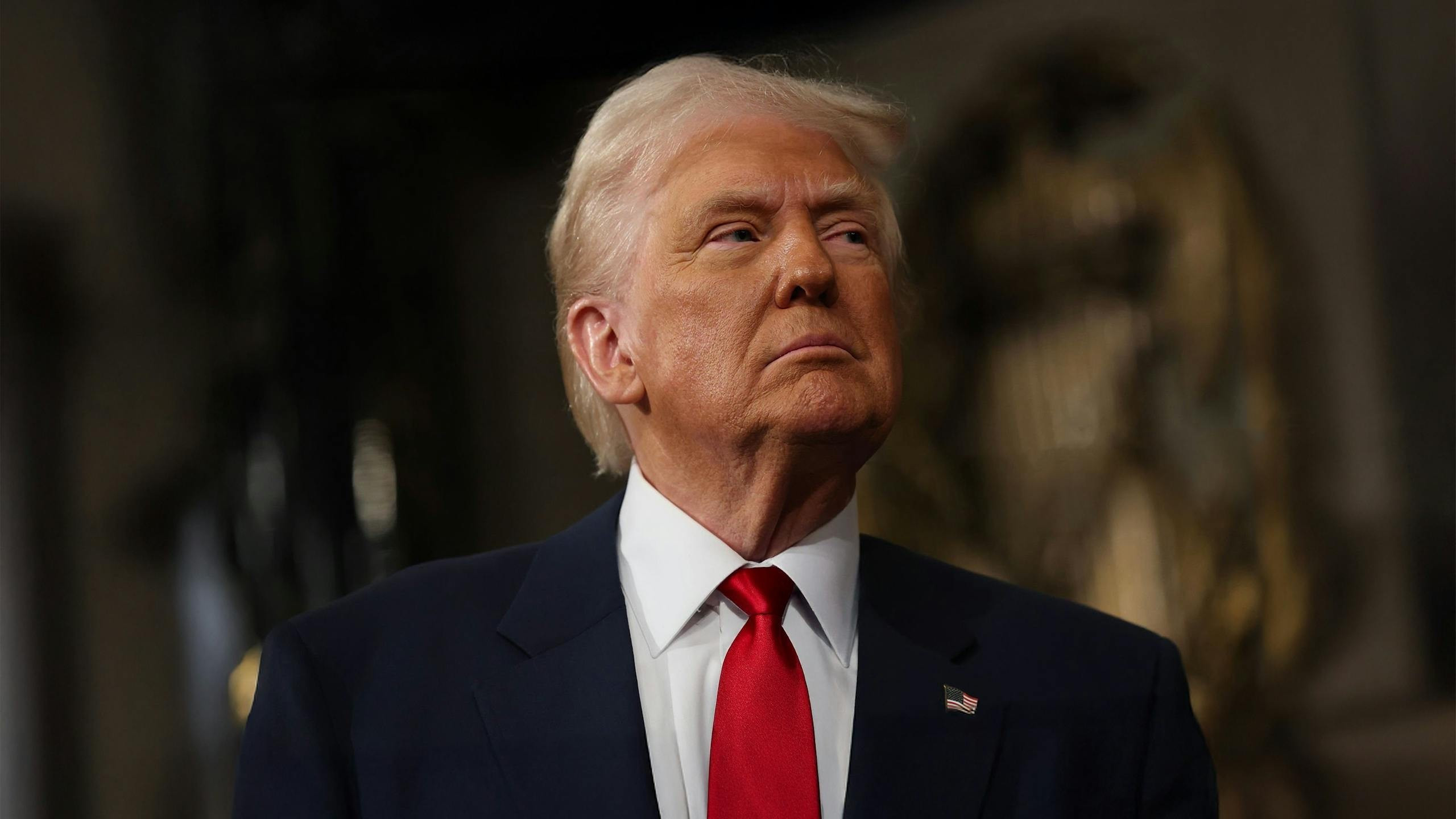
According to the schedule, U.S. President Donald Trump will deliver his State of the Union address at 9:00 PM ET Tuesday in the House Chamber of the U.S. Capitol. Industry insiders generally expect Trump to use this opportunity to promote the strong state of the American economy to the public and unveil new measures aimed at lowering cost-of-living expenses.
Sources told the media that White House aides meticulously crafted a midterm election narrative on the eve of the speech: it aims both to define the achievements of the first year of "Trump 2.0" and to pave the way for a more aggressive upcoming legislative agenda.
According to insiders, internal discussions suggest the President's political challenges are primarily a matter of communication; therefore, the State of the Union is seen as one of several key opportunities to shift Americans' perceptions of the agenda and the overall economy.
"If we can't make people feel like the economy is improving and life is becoming more affordable, we won't win [the midterm elections]," said one White House source.
What will Trump say?
According to White House officials familiar with the draft, the official theme of this State of the Union address is: "America at 250: Strong, Prosperous, and Respected"—intended as a tribute to the United States' upcoming 250th anniversary this year.
Officials stated the speech will emphasize the concept of "American Exceptionalism," and Trump plans to intersperse stories of Americans who claim to have benefited from his policies.
The address to Congress will provide Trump with a high-profile platform to promote his agenda. Industry insiders expect him to list his major policies one by one, including the tax cuts passed by Republicans in Congress last year and the administration's efforts to lower prescription drug prices.
Despite the slim Republican majority in Congress, Trump is still expected to urge lawmakers to expedite legislation addressing major cost-of-living areas such as healthcare and housing.
Trump has previously called for codifying drug price agreements reached between the White House and a dozen pharmaceutical companies and has urged the passage of a broader healthcare bill, the core of which involves redirecting certain Obamacare subsidies to individual policyholders.
Trump may also boast about policies he takes pride in, such as eliminating certain taxes on tips and overtime pay, as well as investment commitments from various companies and nations since his inauguration.
Regarding new policies, White House officials said the President is expected to introduce several new domestic initiatives aimed at addressing affordability during the speech.
One of these may include: Trump potentially formally announcing a "Payor Protection Pledge" negotiated between the administration and top tech companies—a commitment requiring tech firms to cover the increased electricity costs when building new AI data center communities. Officials said the President may explain that companies have pledged to pay "out of pocket" so that electricity rates for consumers do not spike.
Notably, this State of the Union address unfolds against the backdrop of increased U.S. troop deployments in the Middle East, tense negotiations between the U.S. and Iran over a potential nuclear deal, and Trump weighing strikes against Iran. It is reported that Trump has planned to dedicate a portion of the speech to foreign policy, where he is expected to articulate his "Peace Through Strength" strategy.
Furthermore, in recent days, Trump has been publicly expressing his fury over the U.S. Supreme Court ruling that his tariffs were illegal, launching attacks on the verdict and the six justices who supported it (including two he appointed). The Supreme Court stated last Friday that Trump’s use of emergency powers to impose broad tariffs exceeded his presidential authority.
Consequently, Trump's remarks on trade will also be a major focal point of this State of the Union address. Several Supreme Court justices will be seated in the front row listening to the speech, shortly after Trump lashed out at them following the ruling.
In a flurry of social media posts, Trump vowed to reconstruct a trade regime that could be even harsher than before, despite warnings from within his party that this would drive up prices and trigger greater economic uncertainty.
Will he break the record for the longest speech again?
Last March, Trump’s first State of the Union address of his second term lasted 1 hour and 45 minutes, breaking the record of 1 hour and 5 minutes set by former President Bill Clinton in 1993.
Based on current "spoilers," tomorrow morning's speech is likely to be another lengthy "production." Trump stated on Monday local time, "We have the strongest economic activity ever. You’re going to hear that in the State of the Union. It’s going to be a long speech because we have a lot to talk about."
It is reported that Ross Worthington, a longtime speechwriter for Trump, led the drafting of this address. According to a White House official, while Trump usually avoids traditional speech preparation, he spent time over the weekend reviewing the text and making his own revisions. In the past, Trump has frequently gone off-script, even during formal addresses.
However, ahead of this State of the Union address—intended to represent the "unofficial start" of the midterm campaign—it seems even Trump himself is skeptical of his ability to change many people's minds.
"If I invented a cure for cancer, they’d say you should have done it years ago," he complained at a White House event on Monday. "No matter what I do, these people aren't going to give me credit."
The backdrop for this speech is a series of polls showing American voters are increasingly dissatisfied with the economy and worried about the cost of living. Political figures warn that these frustrations could translate into Republican losses in the November elections. The President’s senior advisors have recently been encouraging Trump to focus on "cost-of-living" issues, though Trump has at times shown resistance.
The challenge Trump faces is to praise the economic performance under his leadership over the past year without ignoring voter concerns. Despite some positive signs (including cooling inflation), government data released last week showed that U.S. economic growth slowed significantly at the end of last year.
There are signs that since Trump’s first address to a joint session of Congress last year, American voters' views of his job performance have grown increasingly negative. According to polling averages tracked by the non-partisan Cook Political Report, approximately 41% of people now approve of Trump’s job performance, while 57% disapprove. Last March, the disapproval rate led the approval rate by only 2 percentage points; today, that gap has widened to 16 points.
Another poll released last month found that a majority of American voters disapprove of the President's handling of the economy, immigration, tariffs, foreign policy, and healthcare, leaving border security as one of the few signature agenda items with broad approval. Dissatisfaction with Trump’s handling of inflation is particularly strong, with a disapproval rate of 58%, 17 percentage points higher than the approval rate.
On the Democratic side, Virginia Governor Abigail Spanberger is scheduled to deliver the official Democratic response following Trump’s speech, and California Democratic Senator Alex Padilla will deliver a response in Spanish. Meanwhile, several Democrats plan to boycott Trump’s speech, opting instead to attend counter-rallies in Washington.