Iran’s Supreme Leader Ali Khamenei Killed in Targeted Strike

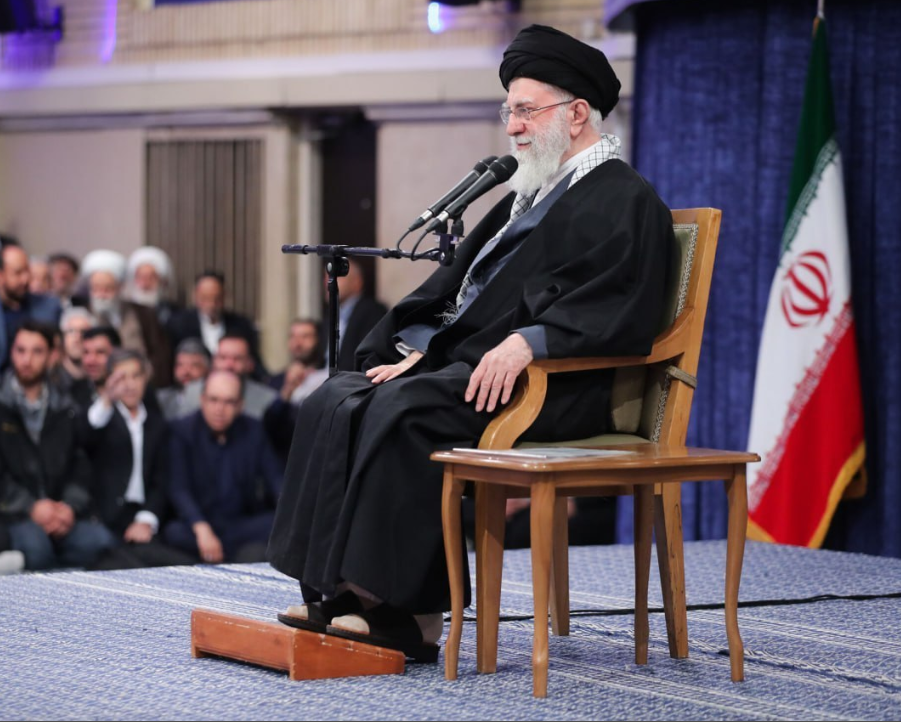
In a seismic shift for Middle East geopolitics, Iran’s Supreme Leader Ayatollah Ali Khamenei was killed in a targeted strike on March 1, local time.
Khamenei, born in 1939 in Mashhad, Iran, had been the country’s ultimate authority since 1989. His political ascent followed a tenure as President of Iran from 1981 to 1989. A pivotal moment in his early career occurred in June 1981, when he survived an assassination attempt that left his right arm permanently paralyzed.
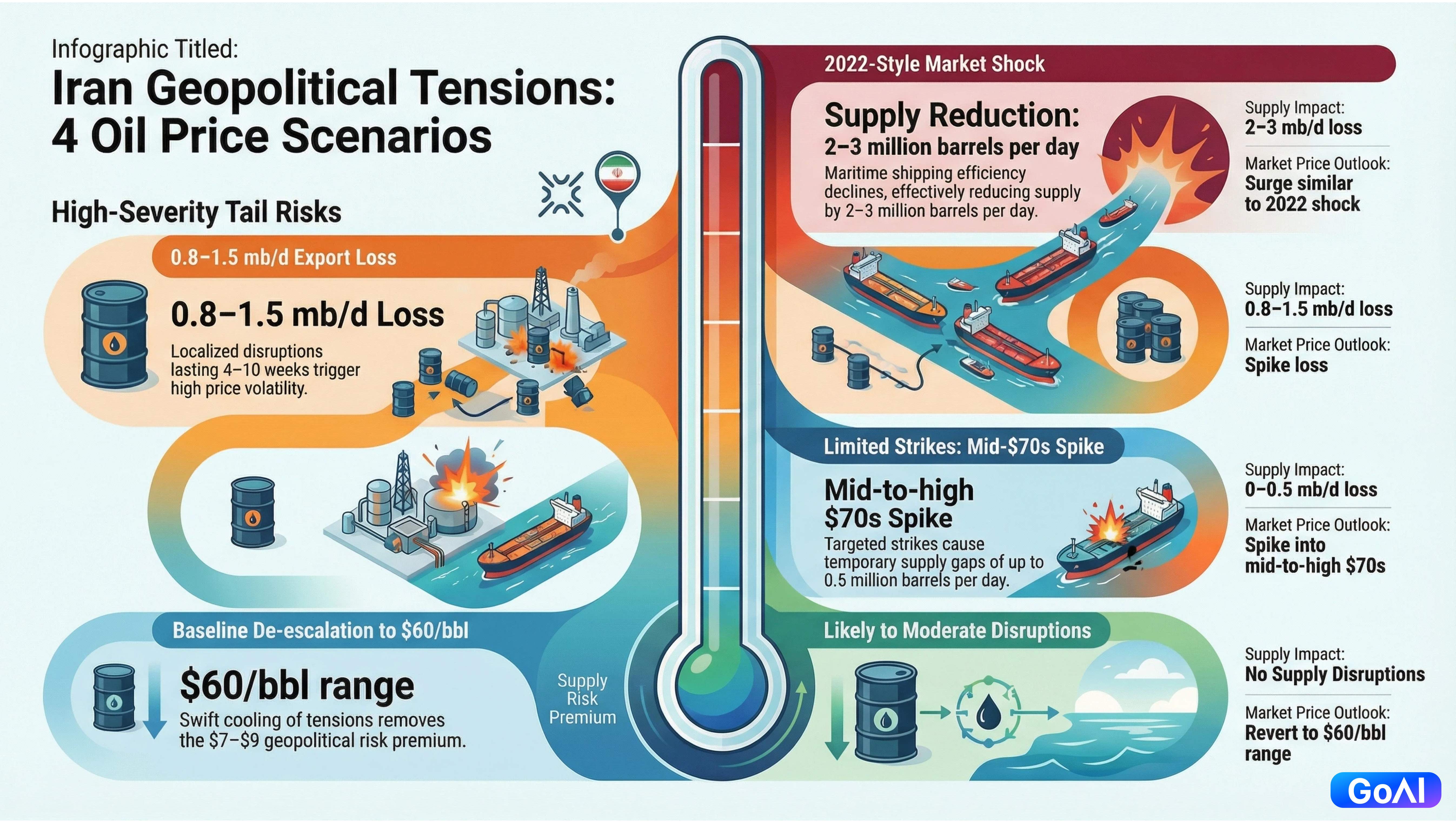
Four Potential Scenarios for Iran and Global Oil Prices
Strategic Outlook: Geopolitical Volatility and Crude Market Implications
-
Scenario 1 (Baseline / High Probability): De-escalation with No Supply Disruptions A swift cooling of tensions leads to the rapid evaporation of the $7–$9 geopolitical risk premium. Under this scenario, Brent crude is expected to revert to the $60/bbl range.
-
Scenario 2 (Significant Likelihood): Limited Military Strikes and Short-term Logistical Friction Targeted strikes result in temporary supply gaps of approximately 0–0.5 million barrels per day (mb/d). Crude prices would likely see a short-term spike into the mid-to-high $70s before retreating as restocking demand from major consumers (e.g., China) decelerates.
-
Scenario 3 (Low Probability): Localized Export Disruptions (4–10 Weeks) Partial disruptions to Iranian exports lead to a supply loss of roughly 0.8–1.5 mb/d. In this instance, price volatility would oscillate between the levels seen in Scenario 2 and Scenario 4.
-
Scenario 4 (Tail Risk): Regional Maritime Leverage and Fleet Productivity Shocks While the Strait of Hormuz remains open, a decline in shipping efficiency—triggered by regional maritime escalations—causes an effective supply reduction of 2–3 mb/d. This scenario could trigger a price surge reminiscent of the early 2022 market shock.