
Oil Prices Narrow Gains Rapidly! G7 to Meet Tonight to Discuss Joint Emergency Oil Reserve Release

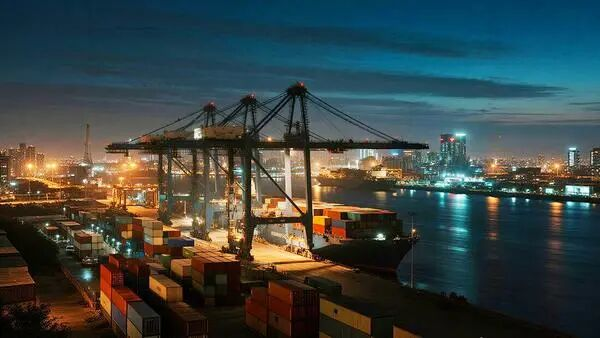
In late Asian trading on Monday, international oil prices pulled back sharply, with both WTI and Brent crude slipping below the $110 mark and narrowing their intraday gains. This followed reports that G7 finance ministers will hold an emergency meeting on Monday to discuss a coordinated release of petroleum reserves by the International Energy Agency (IEA) to address the price surge triggered by the Gulf conflict.
According to sources familiar with the matter, including a senior G7 official, finance ministers and IEA Executive Director Fatih Birol will hold a conference call at 8:30 AM New York time on Monday to discuss the impact of the war in Iran.
According to people familiar with the negotiations, three G7 nations, including the United States, have expressed support for the plan to release strategic reserves.
As part of a collective emergency response system for oil crises, all 32 member states of the International Energy Agency maintain strategic petroleum reserves. One source stated that some U.S. officials believe a joint release of 300 million to 400 million barrels—representing 25% to 30% of the 1.2 billion barrels in total reserves—would be appropriate.
The meeting comes as President Trump faces mounting pressure to curb skyrocketing crude prices. Since the outbreak of hostilities against Iran, average U.S. gasoline prices have surged from $2.98 per gallon a week ago to $3.45 as of Sunday; if Trump cannot reverse the trend, oil prices are bound to continue climbing.
Over the past week, the surge in oil prices has triggered a global chain reaction, with the risk of surging inflation threatening to cause lasting damage to world economic growth.
Is the White House Buckling?
The emergency oil reserve system was established in 1974 upon the founding of the IEA, following the Arab oil embargo that caused crude prices to soar and triggered massive fuel shortages across the Western world. The reserve mechanism is designed to allow major oil-consuming nations to respond to significant energy shocks.
Since the organization’s inception, IEA member states have implemented five collective reserve releases. The most recent two occurred in 2022 to address the spike in oil prices following the Russia-Ukraine conflict.
Notably, a decision to consider tapping strategic petroleum reserves would mark a significant shift in the Trump administration's stance, which had stated as recently as last week that no release was needed to stabilize the market. However, energy analysts say the record-breaking price gains over the past week have left policymakers with no choice but to release strategic inventories in an attempt to calm the market.
On Sunday evening, Trump initially appeared dismissive of the rising oil prices on his social media platform, Truth Social. He wrote at the time: "Short-term oil prices—which will drop rapidly once the Iranian nuclear threat is removed—are a small price to pay for the security and peace of the United States and the world."
Undoubtedly, the surge in oil prices will undermine Trump’s promises to lower inflation and energy costs. He is already facing criticism from some Republicans for spending too much time on foreign affairs rather than addressing domestic cost-of-living issues.
In an interview last Friday, Qatari Energy Minister Saad al-Kaabi warned that the war could "destroy the world economy" and predicted that Gulf energy exporters would halt production within days.
Rapidan Energy Group warned in a Sunday briefing that IEA member states will "face immense pressure to release strategic inventories."