
Over 182 Million Barrels: IEA Reportedly Proposes Largest Strategic Petroleum Reserve Release in History

According to officials familiar with the matter, the International Energy Agency (IEA) has proposed the largest release of oil reserves in its history to stabilize crude prices that have soared during the U.S.-Iran war.
Officials stated that the scale of this release will exceed the combined 182 million barrels released in two tranches by IEA member states following the outbreak of the Russia-Ukraine conflict in 2022. The proposal was circulated on Tuesday during an emergency meeting of energy officials from the 32 IEA member nations.
Member states are expected to reach a decision on the proposal on Wednesday. The proposal will be approved if no country objects; however, an objection from even a single nation could lead to a delay in the plan.
Influenced by the aforementioned news, international oil prices turned lower during Wednesday's Asian trading session. As of press time, WTI crude oil futures fell 0.5% to $83.03 per barrel, having earlier surged by more than 6%, while Brent crude futures dropped 3.53% to $87.84 per barrel.
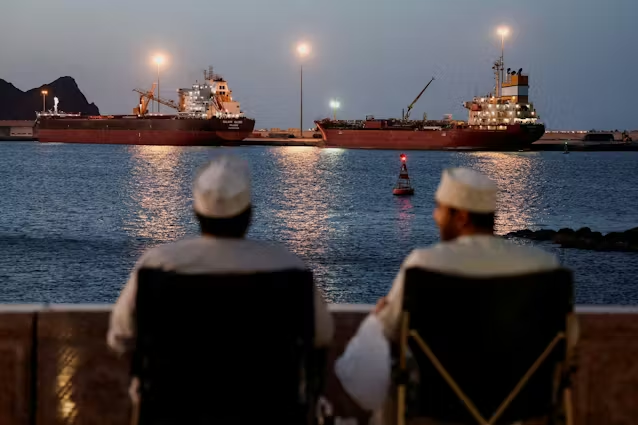
The IEA's proposal aims to address the severe supply disruptions caused by the near-total closure of the Strait of Hormuz. This narrow waterway connects the Persian Gulf to global markets, and approximately one-fifth of the world's oil supply is transported through it. Threats of Iranian attacks on tankers have brought oil transit through Hormuz to a virtual standstill.
Following the 1973 oil crisis (the Arab oil embargo), Western nations and their allies established the IEA in 1974. The agency sets guiding standards for crude oil reserve levels for member states and coordinates oil releases to protect national economies from the impact of oil market volatility.
Since the United States and Israel launched strikes against Iran on February 28, oil prices have skyrocketed by approximately 40%, briefly approaching $120 per barrel this Monday. However, the possibility of a coordinated multi-national release of oil reserves, alongside U.S. President Trump's remarks that the war is "essentially over," has placed downward pressure on the oil market.
Economists warn that sustained increases in oil prices could trigger inflation and stock market corrections, while increasing the burden of fuel expenditures on the public.
IEA Executive Director Fatih Birol stated on Monday that IEA members possess 1.2 billion barrels of public emergency oil reserves, in addition to 600 million barrels of mandated commercial stocks. A rough calculation suggests this is equivalent to approximately 124 days of supply disruption from the Gulf region.
How Effective Were Past Reserve Releases?
A look back at history shows that the effectiveness of past strategic petroleum reserve releases has been mixed.
Following the outbreak of the Russia-Ukraine conflict in early 2022, IEA member states quickly executed two oil reserve releases. Initially, this move actually caused oil prices to rise by 20%, as traders believed the release signaled that the oil crisis was more severe than expected. However, analysts stated that the release of oil reserves eventually helped drive prices lower.
The release action during the 1991 Gulf War is regarded as the IEA's most successful intervention, perfectly achieving the goal of "stabilizing the market."
On the night then-U.S. President George H.W. Bush launched "Operation Desert Storm" against Iraq, he ordered the first-ever use of the U.S. Strategic Petroleum Reserve, with IEA member states coordinating their releases simultaneously. On the first day of the U.S.-led coalition's attack on Iraq, oil prices plummeted by more than 20%. As the war situation clarified and actual export losses from Iraq proved smaller than expected, oil prices quickly retreated to pre-war levels.