
AI Ignites Storage Demand: SK Group Chairman Discloses Plan to Double Wafer Capacity Over Next Five Years
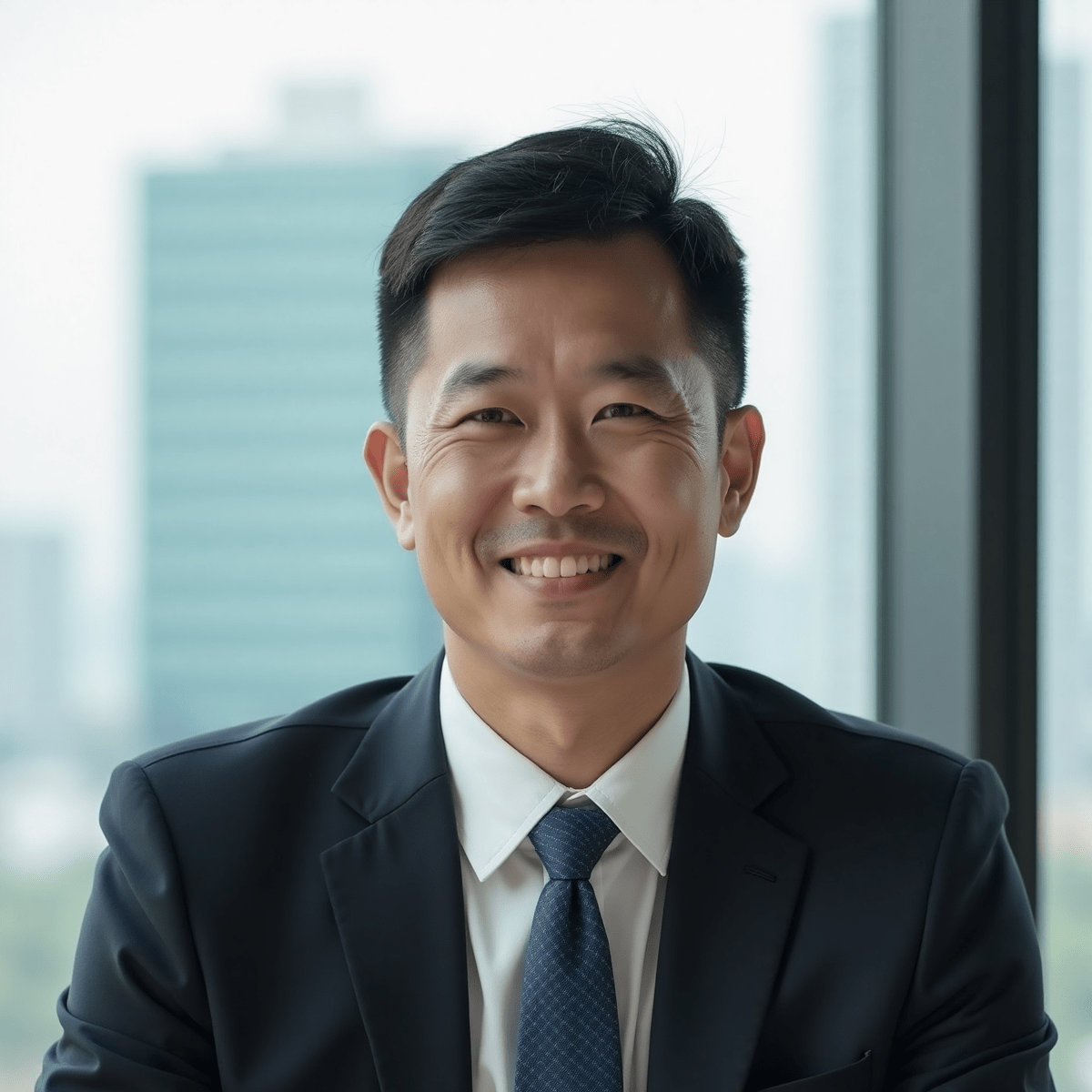

SK Group Chairman Chey Tae-won stated Tuesday that the conglomerate’s memory chip subsidiary, SK Hynix, plans to double its wafer production capacity over the next five years.
Chey disclosed the target at the Computex tech exposition in Taipei, a premier industry gathering currently drawing top executives from global technology pioneers, including Nvidia.
The aggressive expansion plan follows a warning issued by Chey in March, where he cautioned that the global wafer deficit could persist through 2030.
During the conference, Chey also emphasized that SK Group needs to cultivate a broader network of strategic partnerships within Taiwan, moving beyond its existing alignment with Taiwan Semiconductor Manufacturing Company (TSMC), the world’s largest dedicated foundry.
Furthermore, he expressed ambitions for SK Hynix to secure its position as the primary High Bandwidth Memory (HBM) supplier for Nvidia’s next-generation Vera Rubin architecture.
On Monday, Chey met with Nvidia CEO Jensen Huang at an undisclosed location to discuss deep strategic cooperation in AI memory silicon. The high-level meeting was also attended by key executives from both firms, including SK Hynix CEO Kwak Noh-jung.
Huang is scheduled to visit South Korea following his itinerary in Taiwan, where he is widely expected to hold a follow-up meeting with Chey. The frequency of these high-level engagements highlights the long-term, locked-in infrastructure partnership binding the two companies in the AI era.
Driven by the compounding AI infrastructure supercycle, SK Hynix's market capitalization crossed the historic $1 trillion threshold last week. The milestone cements its position in an elite "trillion-dollar valuation club" alongside memory rivals Samsung Electronics and Micron Technology.
As a linchpin HBM provider to Nvidia, SK Hynix commanded a dominant 58% share of the global HBM market in the first quarter of this year, according to data from Counterpoint Research, while Samsung and Micron captured 21% each.
Chey's comments arrive as quantitative research desks point out that the secular AI boom is structurally reshaping the memory chip industry, which has historically been defined by volatile, boom-and-bust commodity cycles.
Citing the sustained, AI-driven demand tailwind, Goldman Sachs recently upwardly revised its 2028 operating profit forecasts for SK Hynix and Samsung Electronics by 24% and 23.3%, to 454 trillion won (approximately $299.62 billion) and 610 trillion won, respectively.
Concurrently, domestic brokerage SK Securities raised its target prices for SK Hynix and Samsung Electronics to 4 million won and 610,000 won on Monday, reflecting strong conviction in the extended longevity of the current semiconductor upcycle.